Are you an Abraham Lincoln fan interested in collecting pennies depicting the popular president?
Lincoln pennies are very common and have been minted in large numbers since 1909, when they were first struck to commemorate the president’s 100th birthday anniversary.
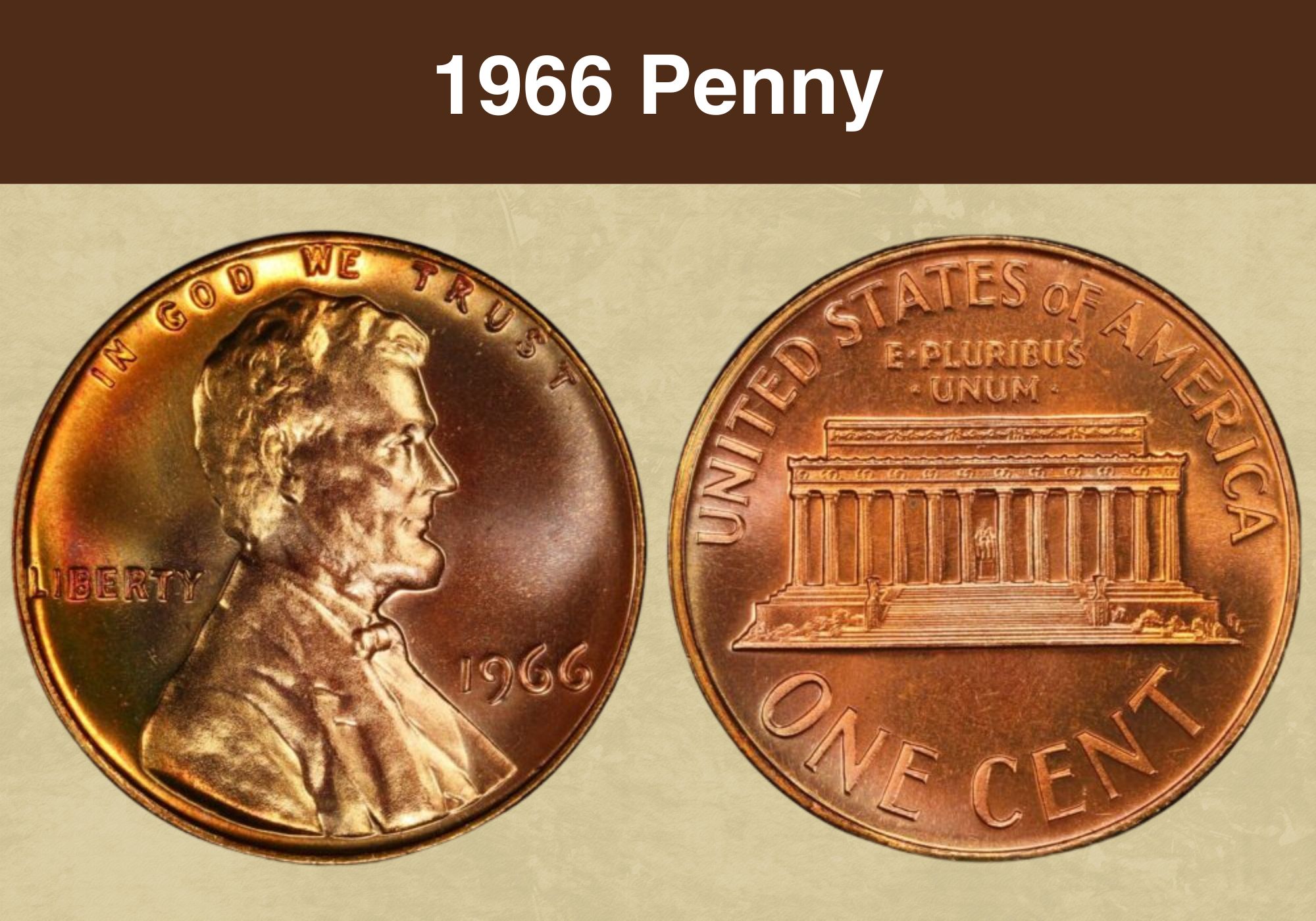
The coin’s design has changed severally over the years. The Lincoln Memorial penny, in particular, spotted a new reverse design from 1959 to 2008 that features the renowned Lincoln Memorial.
At face value, a regular Lincoln Memorial Penny is worth more or less its face value in circulated condition. But, these coins are still worth collecting in mint state and can fetch hundreds or thousands of dollars.
Identifying a valuable Lincoln Memorial Penny can be a task if you do not know what to look for. This guide makes easy of that task by rounding up Lincoln Memorial Pennies worth money.
So, let’s get started!
Rare Lincoln Penny Worth Money List (Quick Chart)
Lincoln Penny Year |
Lincoln Penny Error Type |
Lincoln Penny Value |
| 1959 | D Mule Lincoln Penny | $31,050 |
| 1960 | Small Over Large Date Lincoln Penny | $8,500 |
| 1961 | Re-Punched Mint Mark Lincoln Penny | $228 |
| 1962 | D Lincoln Penny, Struck Fragment | $1,000 |
| 1963 | D Lincoln Penny, Double Die Obverse | $209 |
| 1964 | No Mint Mark Lincoln Penny Struck On Clad Dime Planchet | $5,750 |
| 1965 | Broadstruck Wheel Mark Lincoln Penny | $1,800 |
| 1966 | Double Strike With Or Without Die Adjustment Lincoln Penny | $11,500 |
| 1967 | Double/Triple Strike Lincoln Penny | $900 |
| 1968 | DDR And DDO Lincoln Penny | $285 |
| 1969 | S Double Die Obverse Lincoln Penny | $126,500.00 |
| 1970 | S LD DDO Lincoln Penny Business Strike FS-101 | $24,150 |
| 1971 | DDO Lincoln Penny | $14,950 |
| 1972 | Doubled Die Obverse Lincoln Penny | $14,400.00 |
| 1973 | Off-Center Lincoln Penny | $100.00 |
| 1974 | S Lincoln Penny With A Die Break | $184 |
| 1975 | Fold-Over Lincoln Penny | $1,495 |
| 1976 | Off-Center Lincoln Penny | $230 |
| 1977 | Double-Punched Mint Mark Lincoln Penny | $15 |
| 1978 | Struck On A Dime–Double Denomination Lincoln Penny | $1,035 |
| 1979 | D Lincoln Penny Struck On A Dime Planchet | $1,260 |
| 1980 | Doubled Die Obverse Lincoln Penny | $715 |
| 1981 | Off-Center Lincoln Penny | $900.00 |
| 1982 | Double Die Lincoln Penny | $200 |
| 1983 | Doubled Die Reverse Lincoln Penny | $7,050 |
| 1984 | Doubled Die Obverse Lincoln Penny | $3,900 |
| 1985 | No Mint Mark Lincoln Penny, Partial Plating | $550 |
| 1986 | Wide AM Lincoln Penny | $260 |
| 1987 | Off-Center Lincoln Penny | $150 |
| 1988 | Doubled Die Obverse Lincoln Penny | $3,120 |
| 1989 | Struck On A Copper Planchet Lincoln Penny | $7,500 |
| 1990 | No-S Proof Lincoln Penny | $8,813 |
| 1991 | Die Chip Lincoln Penny | $100 |
| 1992 | Wide And Close AM Lincoln Penny | $5,000 |
| 1993 | D Lincoln Penny, Roosevelt Dime Reverse | $51,000 |
| 1994 | DDR Lincoln Penny | $2,050.00 |
| 1995 | No Mint Mark Lincoln Penny, Double Die Obverse | $5,000 |
| 1996 | Off-Center Lincoln Penny | $100 |
| 1997 | Missed Center Lincoln Penny | $100 |
| 1998 | Close AM Lincoln Penny | $4,500 |
| 1999 | Doubled- Die Lincoln Penny | $5,400 |
| 2000 | Doubled Die Lincoln Penny | $50 |
| 2001 | Doubled Die Lincoln Penny | $50 |
| 2002 | Off-Center Error Lincoln Penny | $150 |
| 2003 | Doubled Die Lincoln Penny | $50 |
| 2004 | Off-Center Lincoln Penny | $100 |
| 2005 | Off-Center Lincoln Penny | $100 |
| 2006 | Doubled Die Lincoln Penny | $100 |
| 2007 | off-center Lincoln Penny | $100 |
| 2008 | Off-Center Lincoln Penny | $100 |
| 2009 | Doubled Die Reverse Lincoln Penny | $50 |
| 2010 | Off-Center Lincoln Penny | $100 |
| 2011 | Off-Center Lincoln Penny | $100 |
| 2012 | Doubled Die Lincoln Penny | $125 |
| 2013 | Off-Center Lincoln Penny | $100 |
| 2014 | Off-Center Lincoln Penny | $100 |
| 2015 | Off-Center Lincoln Penny | $100 |
| 2016 | Off-Center Lincoln Penny | $100 |
| 2017 | Doubled Die Lincoln Penny | $70 |
| 2018 | Off-Center Lincoln Penny | $100 |
| 2019 | doubled die Lincoln Penny | $50 |
| 2020 | Off-Center Lincoln Penny | $150 |
| 2021 | Off-Center Lincoln Penny | $100 |
| 2022 | Off-Center Lincoln Penny | $100 |
| 2023 | Off-Center Lincoln Penny | $100 |
Top 10+ Most Valuable Lincoln Penny Worth Money
1. 1983-D Bronze Lincoln Penny – $1,400
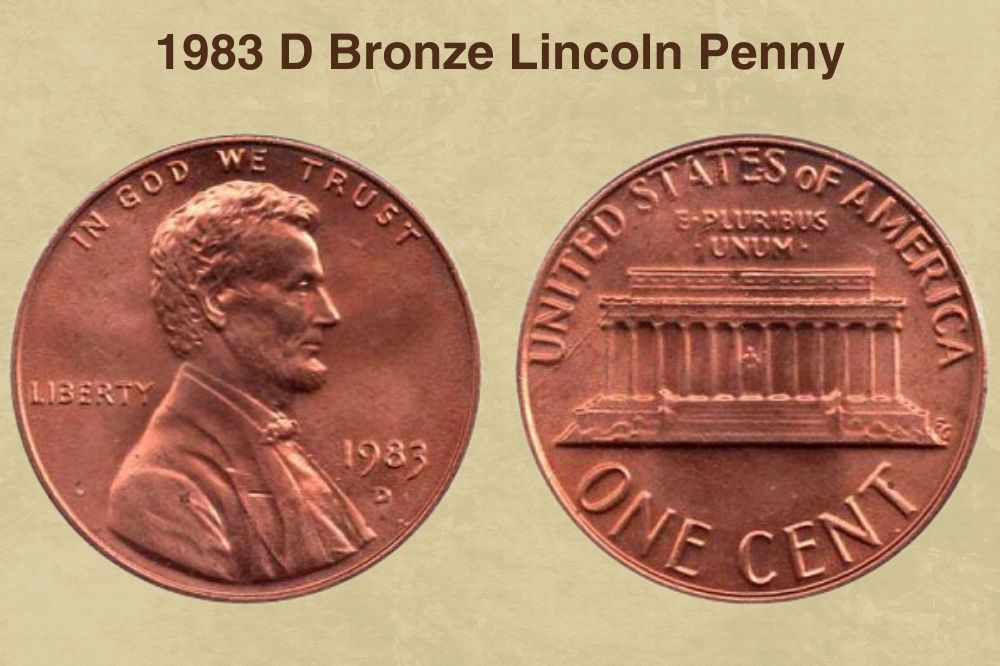
Due to the high copper prices and the increasing shortage of this essential metal, the United States Mint transitioned from making copper pennies to producing zinc core pennies in 1983.
The last 95% copper pennies were struck in 1982, so the new 1983 95% zinc pennies with copper cladding drew considerable interest among collectors who hoarded these pennies in large numbers.
The 1983-D bronze coin is among the most valuable Lincoln Memorial pennies because it is a transitional coin. It has an interesting history and is scarce in mint state. Coin scarcity is particularly noticeable in MS67 and above.
Expect to pay at least $1,400 for a red 1983-D bronze Lincoln memorial penny in mint condition.
Check More Details About 1983 Lincoln Penny History, Variety Price Chart, and Errors List
2. 1969- Doubled Die Lincoln Penny – $126,500
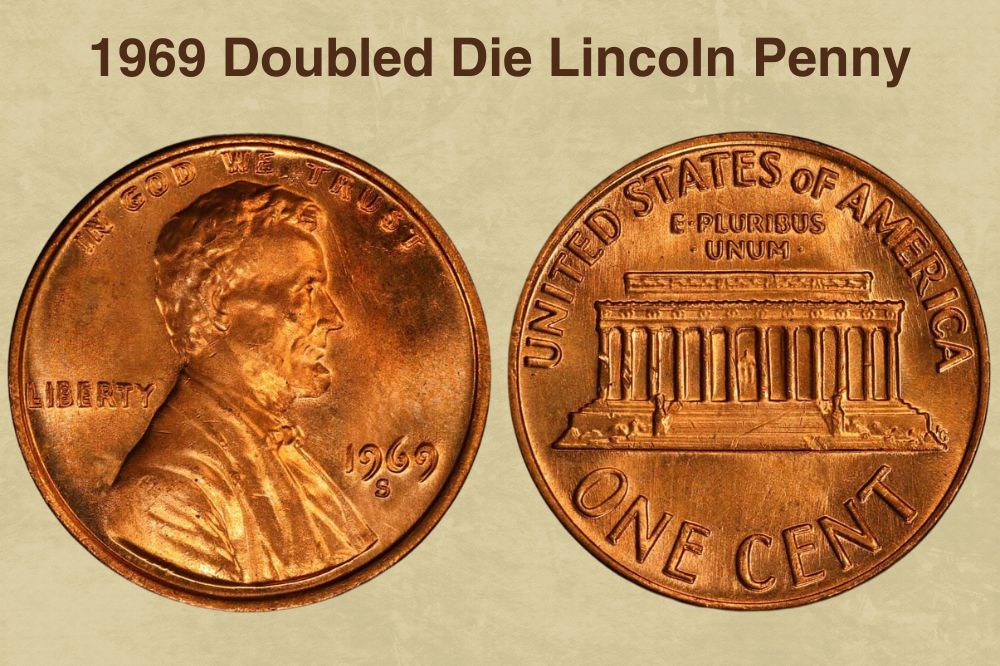
The 1969 Lincoln Memorial penny with a doubled die error is rare; examples were only discovered in the 1990s, nearly three decades after the coins were first struck.
The doubling on this penny is very clear and visible to the naked eye, making it even more desirable. Combine this with the coin’s notorious scarcity, and you see just how valuable the 1969-doubled die Lincoln penny can be. Doubling is prominent around LIBERTY and the country’s motto, IN GOD WE TRUST.
Several dozens of this penny are known to exist. In recent years, a few examples in mint state have been found, indicating that there are still a couple more 1969 doubled die error pennies to be discovered.
A rare example was graded MS64, and sold for $126,500 in 2005. As you can see, this is an extremely valuable Lincoln penny. Just be sure to look for visible coins—these will get you the greatest profits.
Check More Details About 1969 Lincoln penny History, Variety Price Chart, and Errors List
3. 1981-S Type II Proof Lincoln Penny – $900 and $1,200
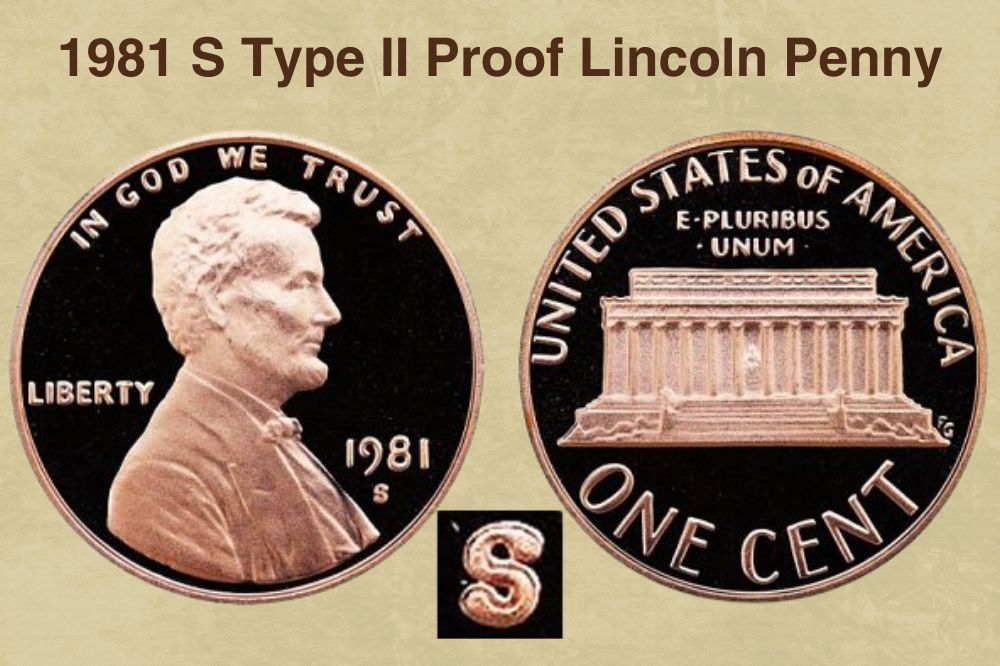
In 1970, the Mint struck two types of Lincoln memorial pennies, known among numismatists as Type 1 and Type II. The difference between the two is the shape of the S mint mark, with type I coins having a less well-defined S and type II having a clearer one.
Most 1979 and 1980 Lincoln memorial pennies are of the Type 1 variety. However, the Mint modified the S mintmark punches resulting in a more visible S with clear serifs.
About 10% of Lincoln Memorial proof pennies were struck with the punches bearing the Type 2 mint marks. These particular pennies are scarcer than their Type II counterparts, making them more valuable and highly sought after.
1981- S type II proof Lincoln memorial pennies are worth between $900 and $1,200 for specimens graded PF68 and above.
Check More Details About 1981 Lincoln penny History, Variety Price Chart, and Errors List
4. 1983 Doubled Die Reverse Penny – $7,050
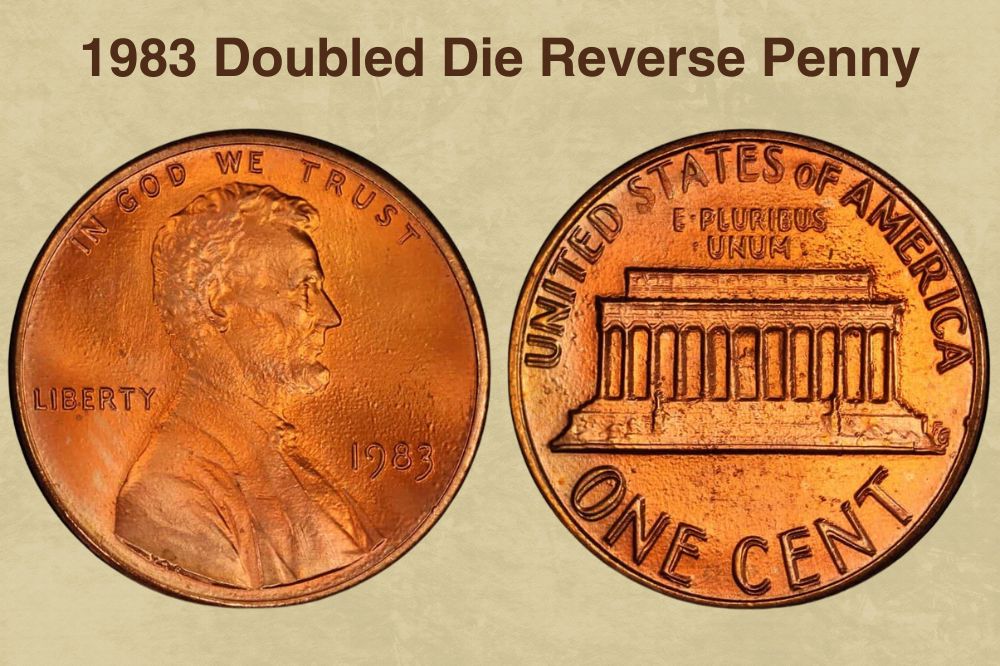
Doubled die reverse errors are not all the same. The more visible the doubling, the more value it adds to the coin.
While doubled die reverse errors are common among Lincoln cents, focus on those with strong doubling that is easily visible to the naked eye.
The 1983 doubled die reverse penny arguably demonstrates the strongest doubling in the entire Lincoln penny series.
You won’t have to look hard to notice clear doubling around the motto E PLURIBUS UNUM and the words ONE CENT and UNITED.
Examples in higher mint state grades are hard to obtain, making them even more valuable. One example of a 1983 doubled die reverse penny graded MS68 was auctioned for an impressive $7,050.
Check More Details About 1983 Lincoln Penny History, Variety Price Chart, and Errors List
5. 1979-S Type II Proof Penny – $4000
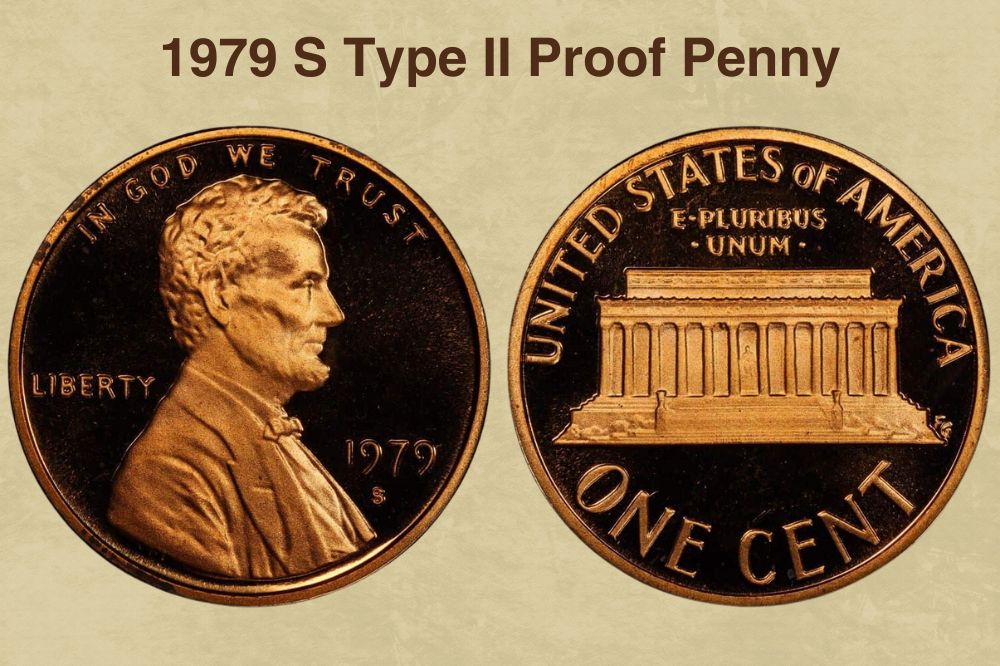
The two types of Lincoln proof pennies, Type I and Type II, also apply for 1979. The Type II variety has a more visible and clearer mint mark than Type I coins, whose S is more bulbous.
Most proofs minted that year were Type I, with Type II coming a few months later. The type II Lincoln cents were fewer than their original counterparts, and this notable scarcity created an interest among collectors and increased the coin’s value over the years.
1979-S Type II Lincoln Memorial proof pennies have been auctioned for as much as $4000.
Check More Details About 1979 Lincoln penny History, Variety Price Chart, and Errors List
6. 1998 Wide AM Penny – $5,000
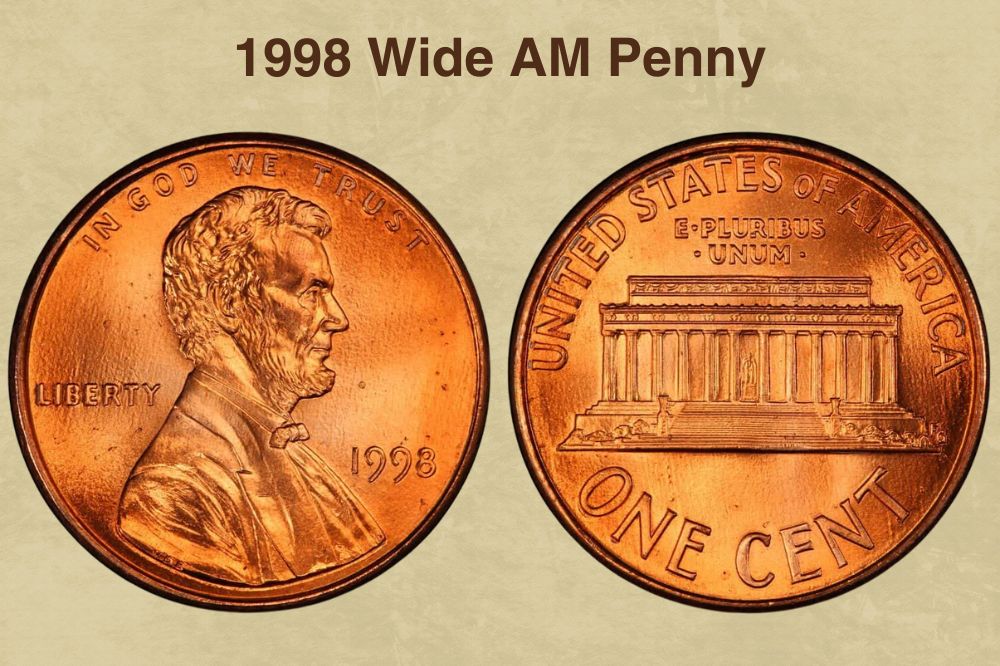
The 1998 Lincoln penny has an interesting back story, making it all the more popular among collectors. Mint workers accidentally struck the reverse of this general circulation coin with the reverse of a proof die press.
This error is noticeable in 1998, 1999 and 2000 circulation strike Lincoln cents, with the 1998 variety being the scarcest. Multiple dies were used and reused to strike these coins, resulting in more than 100,000 pennies with this minting error.
Examine the letters AM in the word AMERICA to check that a Lincoln penny has been struck with a proof reverse die.
Business strike coins dated 1993 to 2008 show the AM letters close to each other. Whereas in proof coins dated 1994 to 2008, the letters AM are noticeably separated.
Business strike 1998 wide AM pennies are generally widely available in circulated condition but are quite scarce in mint state. Examples that are graded MS68 or higher are extremely rare and will therefore bring in a significant amount in the marketplace.
Expect to shell out $5,000 or more for 1998 wide AM Lincoln pennies graded MS67 or higher.
Check More Details About 1998 Lincoln penny History, Variety Price Chart, and Errors List
7. 1992 Close AM Penny – $25,850
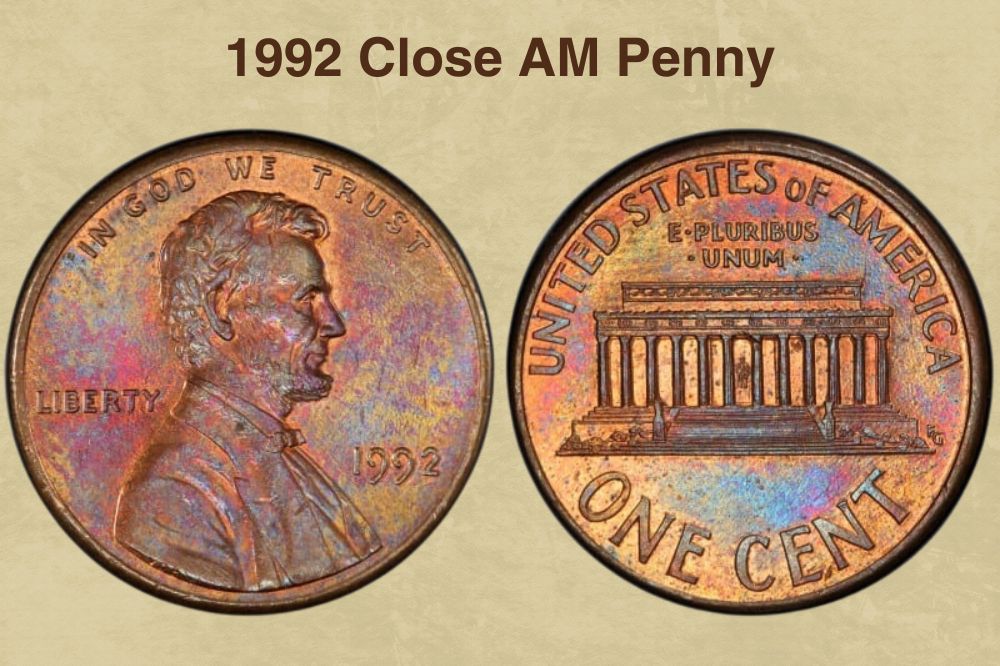
In 1992, the Mint struck Lincoln coins with the letters AM of AMERICA spaced apart but changed the dies the following year so the letters AM were closer to each other.
Interestingly, some 1992 pennies ended up with a close AM design, ideally supposed to appear on the transitional 1993 cents after the die was modified.
This peculiar characteristic makes the 1992 Close AM penny the only one in the Lincoln penny series to bear a transitional design (1993 Wide AM). The best part is that this feature or anomaly is visible to the naked eye.
Only three examples of the 1992 Close AM penny with a transitional design have been discovered, making these coins extraordinarily rare. The first example surfaced in 2006, fourteen years after they were first struck. The second example is believed to be in About Uncirculated condition and may still be unsold.
The most recent example, certified by the Professional Coin Grading Service, was graded MS62 with a Red color designation. It is likely the only certified example of this key date.
In 2017, Heritage Auction sold a Red-color 1992 Close AM penny (MS67) for a whopping $25,850.
Check More Details About 1992 Lincoln penny History, Variety Price Chart, and Errors List
8. 1971-S Doubled Die Obverse Proof Penny – $3,220
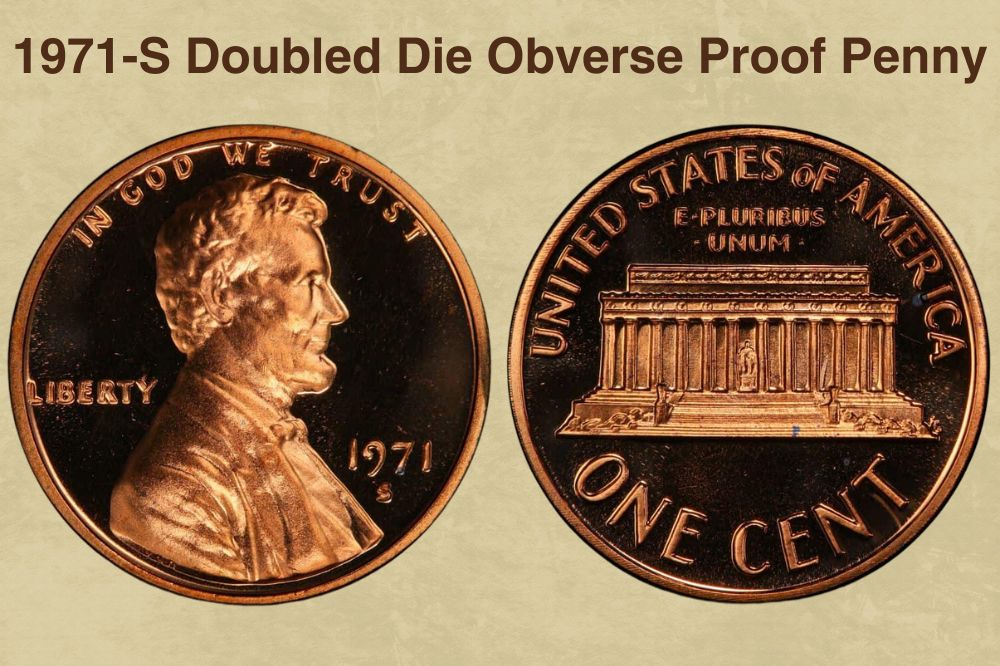
The 1971-S proof double die obverse Lincoln penny comes in two varieties—one with weak doubling and the other with strong doubling.
Examples with strong doubling visible to the naked eye are more valuable. You will notice the doubling around the words LIBERTY and IN GOD WE TRUST.
The 1971-S doubled die obverse proof Lincoln cent is also very scarce, a quality that boosts the coin’s value. This penny is worth adding to your collection as its value and interest among collectors have increased over the years.
Cameo and deep cameo examples are the most profitable. A cameo specimen graded PF67 sold for $3,220 in 2005.
Check More Details About 1971 Lincoln penny History, Variety Price Chart, and Errors List
9. 1970-S Small Date Penny – $18,400
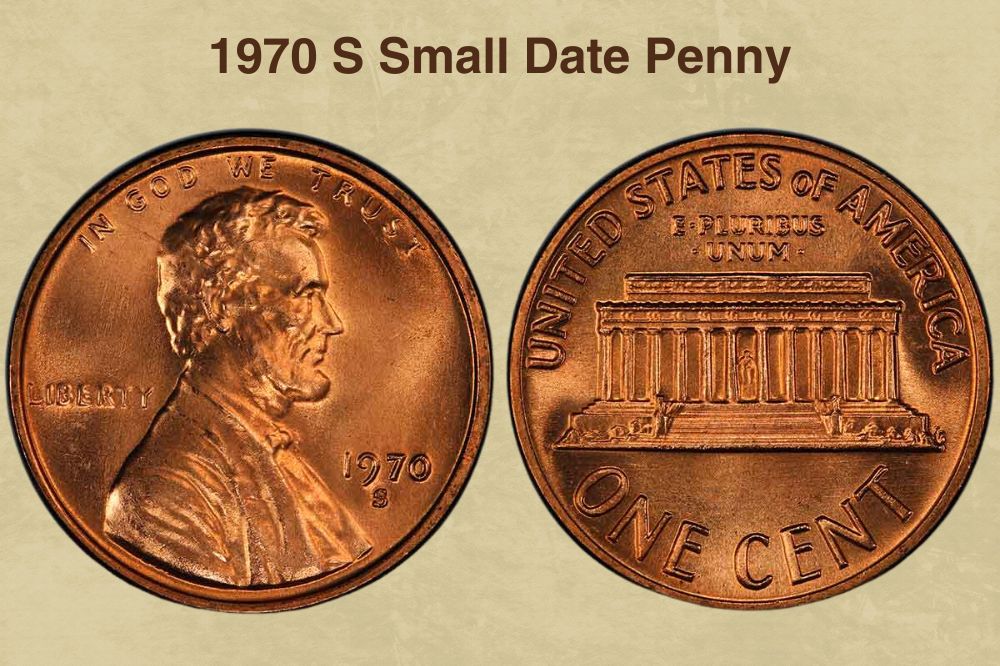
In 1970, the San Francisco Mint struck circulation and proof Lincoln memorial pennies. Collectors later discovered that some of these pennies have a small date while others have a noticeably large date.
These pennies drew so much attention, instantly becoming some of the most collectible in the Lincoln cents series.
The 1970-S small date penny is particularly scarce, with collectors spending years searching rolls and pocket change for these coins. Even in circulated condition, these pennies are worth more than their face value, while those in mint state fetch at least three figures depending on their respective grades.
There are two ways to distinguish a Small Date Lincoln cent from a Large Date penny. Of course, the first method entails looking at the date. In Small Date coins, the top of the number 7 aligns with the other digits (1,9 & 0). On the other hand, on Large Date coins, the 7 is positioned lower than the other digits.
The other method entails examining the word LIBERTY. This word appears strong on the Large date variety and weak on the Small Date variety.
The most valuable 1970-S small date Lincoln penny sold for $18,400. This particular specimen was graded PF69 and was designated Deep Cameo status.
Check More Details About 1970 Lincoln penny History, Variety Price Chart, and Errors List
10. 1960- D Over D Small Date Over Large Date penny – $4,025
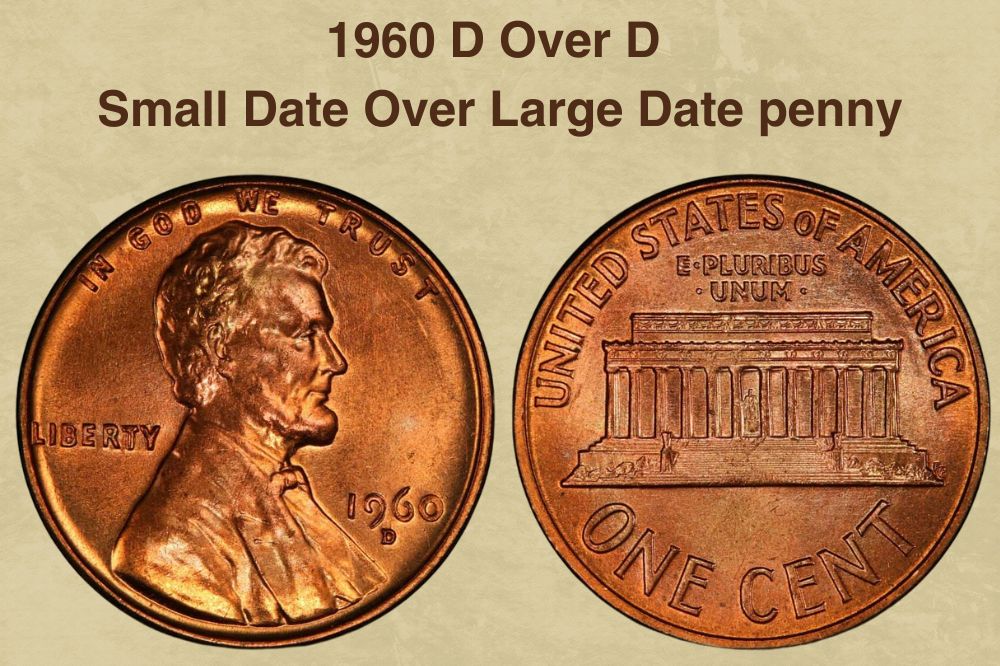
The Denver mint struck a peculiar variety of Lincoln pennies with a re-punched mint mark error in 1960.
Mint workers punched the initial D mint mark in the wrong orientation and attempted to amend this anomaly by striking another one in the correct orientation. The result is that the mint marks appear piled one on top of the other.
This coin also shows a repunched error on the dates where a large date was struck first and a smaller date struck on top. Upon realizing that the date was large in the 1960 cent, Mint workers adjusted the dies and used them to strike the new small dates instead of preparing an entirely new die.
These Lincoln pennies are very scarce, especially in gem condition. One example was graded MS66 and sold for an impressive $4,025 in 2008.
Check More Details About 1960 Lincoln penny History, Variety Price Chart, and Errors List
11. 1972 Doubled Die Penny – $14,000
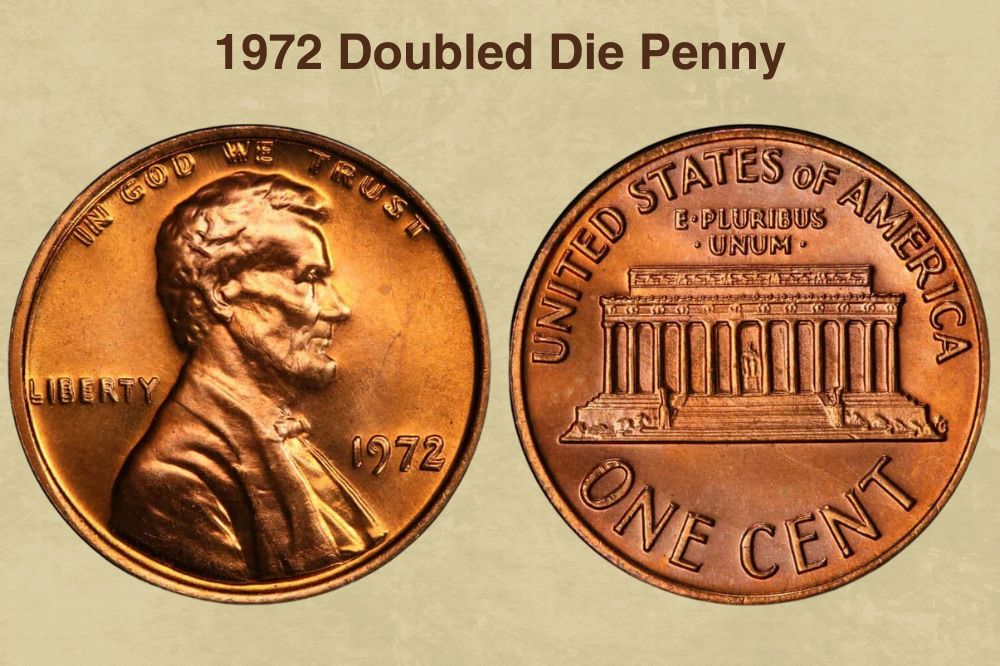
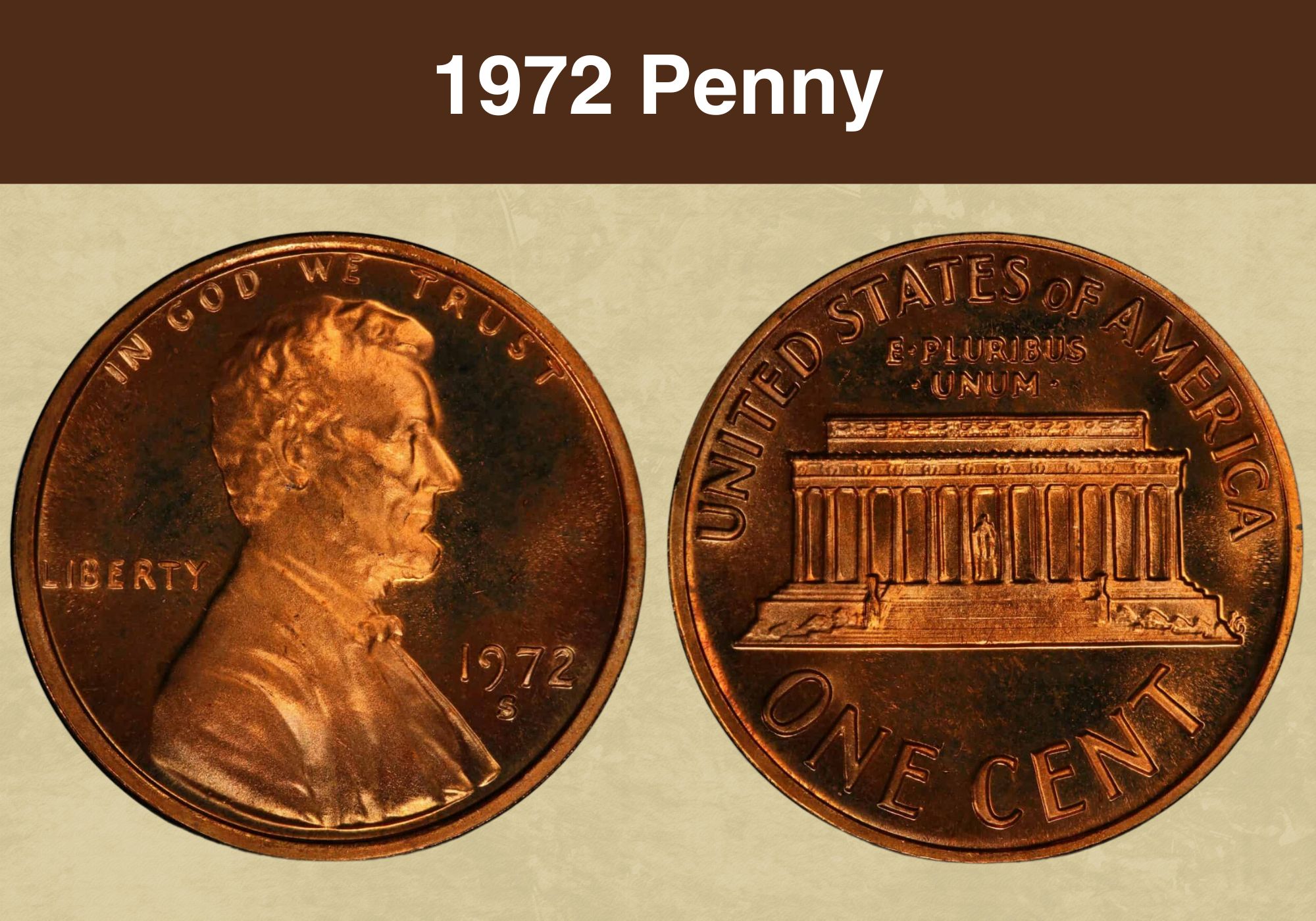
More than ten doubled die varieties are attributed to the 1972 Lincoln Memorial penny, but only one, referred to as Type 1, is considered the most valuable.
The Type 1 variety has a strong doubling visible to the naked eye. The doubling is noticeable on all four numbers of the date, the motto IN GOD WE TRUST, and the word LIBERTY.
The 1972 doubled die Type I Lincoln penny is also the scarcest, an attribute that increases this coin’s value.
Examples in grades MS67 and above have sold for as much as $14,000, but even brown pennies can fetch a handsome amount in the $1,200 to $2,000 range.
Check More Details About 1972 Lincoln penny History, Variety Price Chart, and Errors List
12. 1990 No S Proof Penny – $20,700
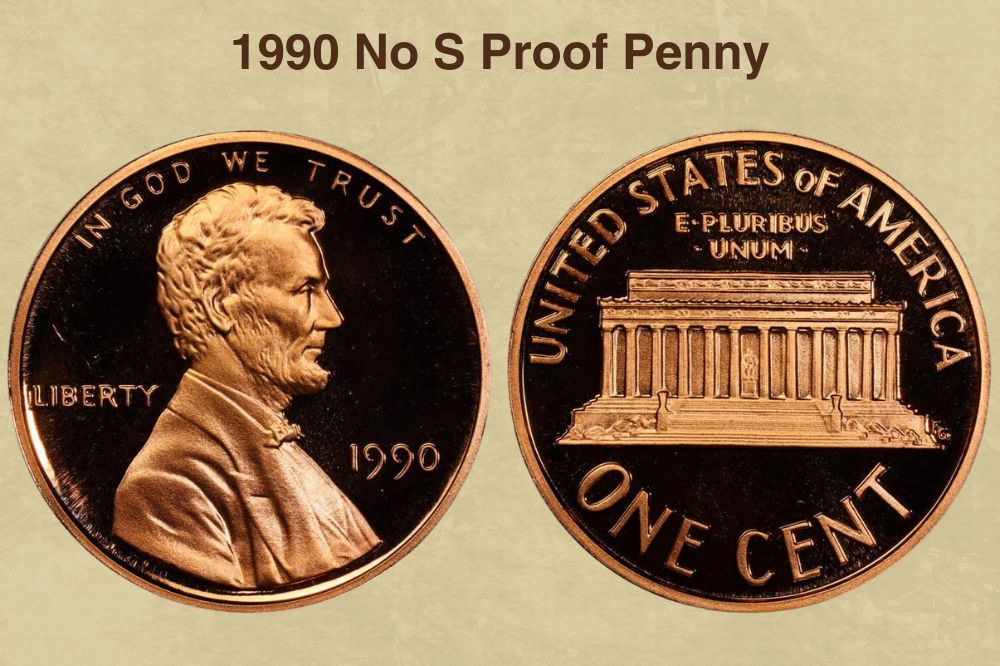
The 1990-S no-mint mark proof Lincoln penny is one of the most sought-after in the series, and for a good reason. For starters, it is the only proof Lincoln penny without a mint mark. Secondly, fewer than 200 specimens are known to exist, making this coin extremely rare.
By 1985, the Mint began punching the mint mark on the working hub instead of the coin dies as it did previously. The 1990 no-mint mark proof penny was accidentally struck using a mint state die that had been mistaken to be a proof; the mint state die did not have a mint mark.
The Mint admitted to destroying several no-S proof pennies struck in 1990. These rare coins hardly come up for auction today, making even the lowest-graded existing examples worth anything in the high five or low six figures.
The PCGS gave the most expensive example, a grade MS69, which was auctioned for $20,700.
Check More Details About 1990 Lincoln penny History, Variety Price Chart, and Errors List
Summary
Although the U.S. Mint no longer produces the Lincoln Memorial pennies, many of these coins are still in circulation and will likely remain common for years.
Admittedly, Lincoln cents are generally worth their face value. But, some nice varieties can rake up a handsome profit.
1972, 1983/4, and 1995 doubled die error coins are some of the most valuable Lincoln memorial pennies, bringing in five or six-figure returns. The 1970-S small date cents and the 1990 No-S proof pennies are also worthwhile looking for.

Interesting read. What does one do when they have a rare 1990 Penny, RD, no mint mark in the collection? As I do.
I have so many error pennies and this was the most helpful site that I have seen for helping me to search through my collection
Thank You.
I have 1970 s small date how do I sell it.very good condition
I have a 1944 D penny. How can I be sure it’s the one that sold for 115k?
1941 s &:1941 no mint mark vg65
1958 D double die AM separated would I auction
I HAVE A FEW OF 1992 CLOSE A.M PENNY LOOKING TO SELL THEM
Do you have one with the building over Lincoln face
I have a 1985 D penny with the words missing on the back. The “States Of” is missing in United States of America”.
Have a 1979 nm Have a1974 nm1959 nm1969 nm 1968 and 1976 nm1964 rare collection coinworth $$$$1983 1975 rare nm
I have a 1972 penny with the building on both sides
A
Have years ever seen one
I have several interesting pennies if anyone wants to see them.
Hi, I have a 2000 penny that stamped half on both sides and blank on the other side. Can you help me?
I have a 1970D red toned gold looking Lincoln memorial penny with doubling i think it’s the one worth a lot can you tell me
I have a 1987D double die error with doubling on almost every letter on the coin,the mint mark is double the hair has doubling at the top,has extra tail on bottom of hair,has double bowtie,on reverse every letter again is doubled the memorial columns are double only varieties I see is just for mint mark any clue what it’s worth, it’s at least ms 60rd thanks
Now what r u. Looking for
Good afternoon,I’ve rare coins that I like to sell. From Lincoln, Morgan and Canadian
How do I go about selling them.
I also have one, I have a lot of 1990 nmm Philly coins in the roll they look like the s nmm until you put the real deal next to it,I’m all for grading coins for max value but lately turn around times have been 2-3 months.ive also been looking at what coins are selling for on eBay certain coins are selling for good money ungraded it just depends on what you have. GOOD LUCK!!!