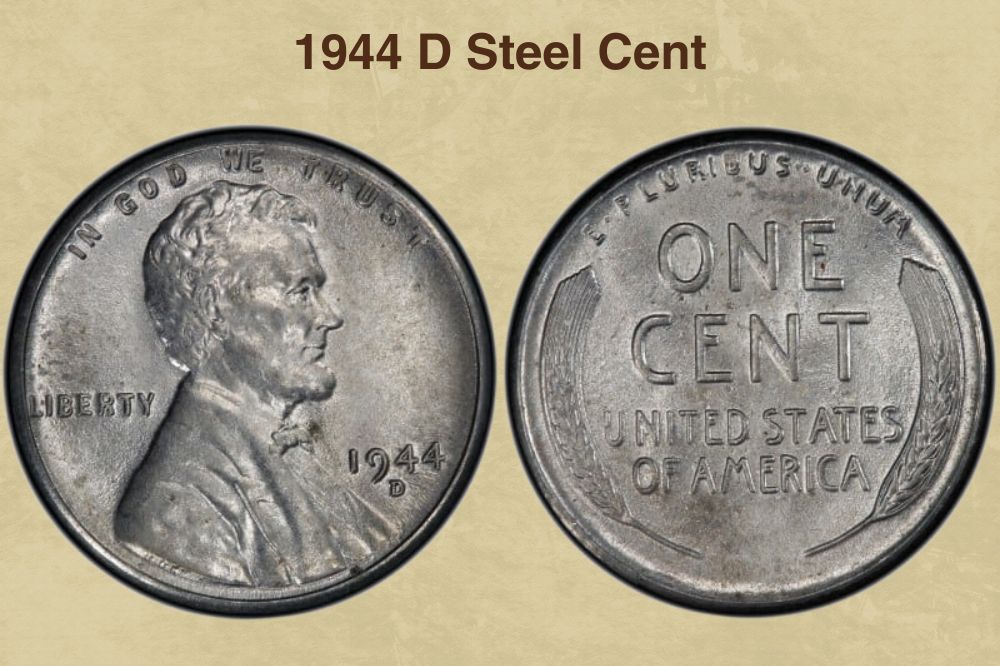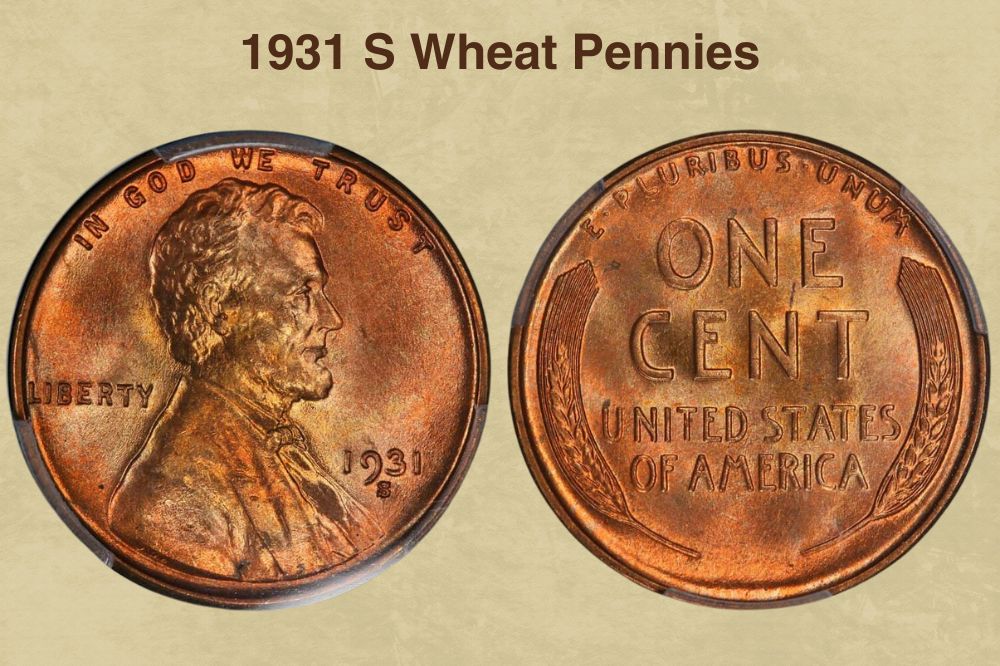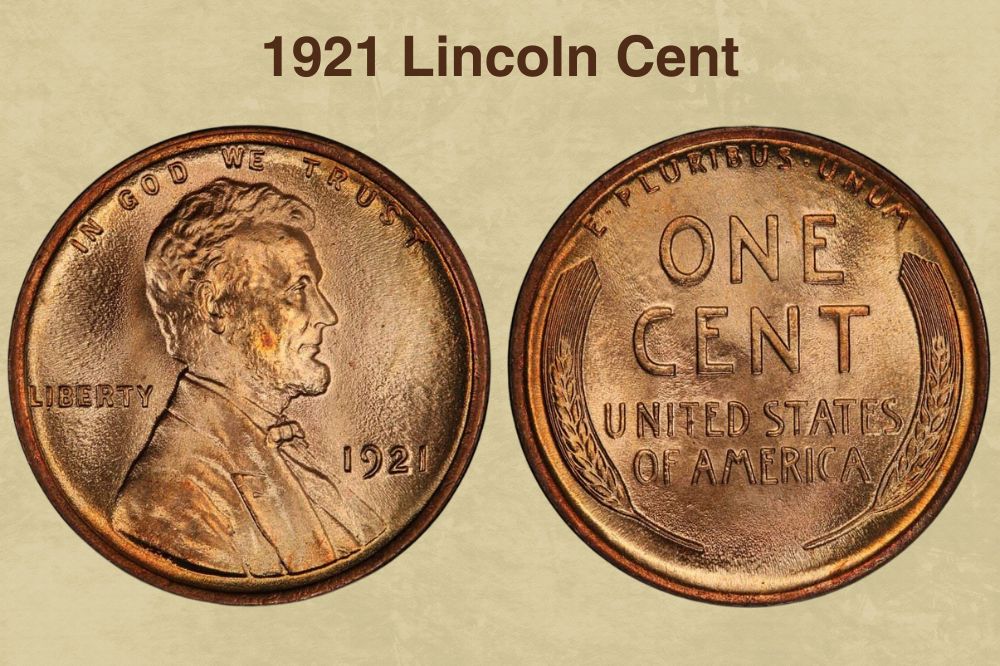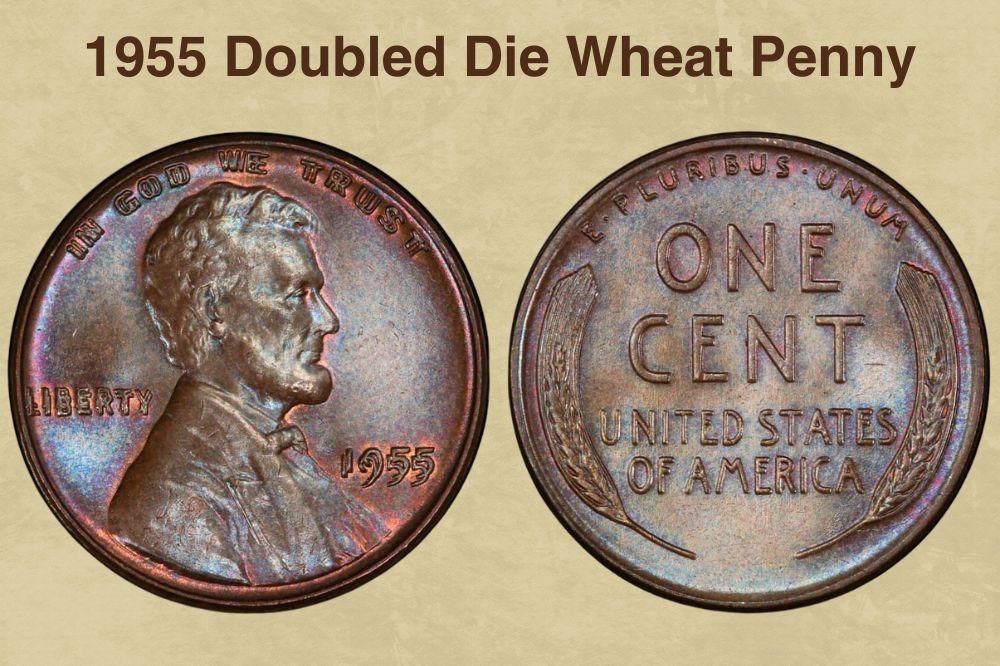
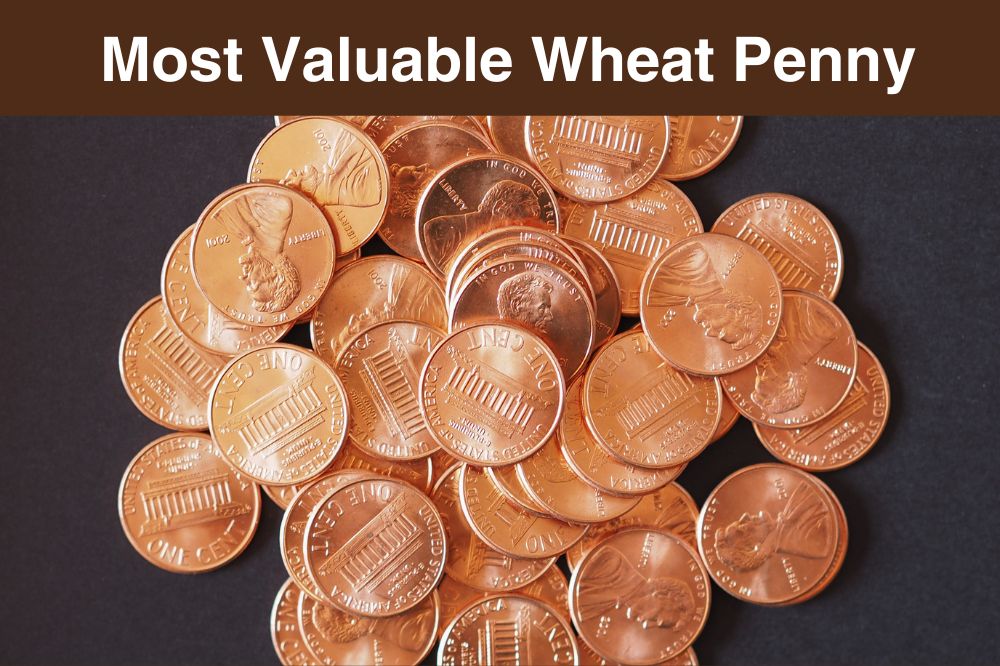
Top 100 Most Valuable Wheat Pennies Worth Money (1909 – 1958)

Top 100 Most Valuable Wheat Pennies Worth Money (1909 - 1958)

Did you know that a 1943-D Bronze penny sold for an astounding $840,000? Or that a 1944-S Steel cent fetched $408,000 at auction? Here’s an even more incredible fact: the legendary 1943-S Bronze pennies—accidentally struck on copper planchets during World War II—have sold for over $500,000! These aren’t just old coins gathering dust in attics; these are American treasures that redefine what pocket change can become.

Welcome to your definitive guide for the most valuable Wheat pennies! This chart focuses exclusively on Lincoln Wheat cents (1909-1958)—the coins that launched a thousand collections and continue to captivate numismatists worldwide. We update it monthly to reflect current market values, ensuring you have the most accurate pricing at your fingertips.

What transforms a humble Wheat penny into a fortune? Three primary factors: minting errors (like the famous 1943 copper and 1944 steel transitional errors), key dates with ultra-low mintages (such as the 1909-S VDB and 1914-D), and exceptional condition (coins graded MS-67 or higher). Even common-date Wheat pennies in superb condition can command hundreds or thousands of dollars!

Let’s start with our Top 10 elite coins—each one a numismatic legend deserving individual attention—before revealing the complete rankings from 11-100! These copper classics prove that the golden age of American coin collecting still offers golden opportunities.

Looking for rare pennies from other years?

Most Valuable Wheat Pennies Chart (1-10)

RANKIMAGENAMEPRICE
1
1943-D Bronze Unique
1943-D Bronze Unique$840,000
2
1943-S Bronze 5 known
1943-S Bronze 5 known$504,000
3
1944-S Steel
1944-S Steel$408,000
4
1943 Bronze
1943 Bronze$372,000
5
1958 DDO RD
1958 DDO RD$336,000
6
1909 VDB PR RB
1909 VDB PR RB$258,500
7
1944 Steel
1944 Steel$180,000
8
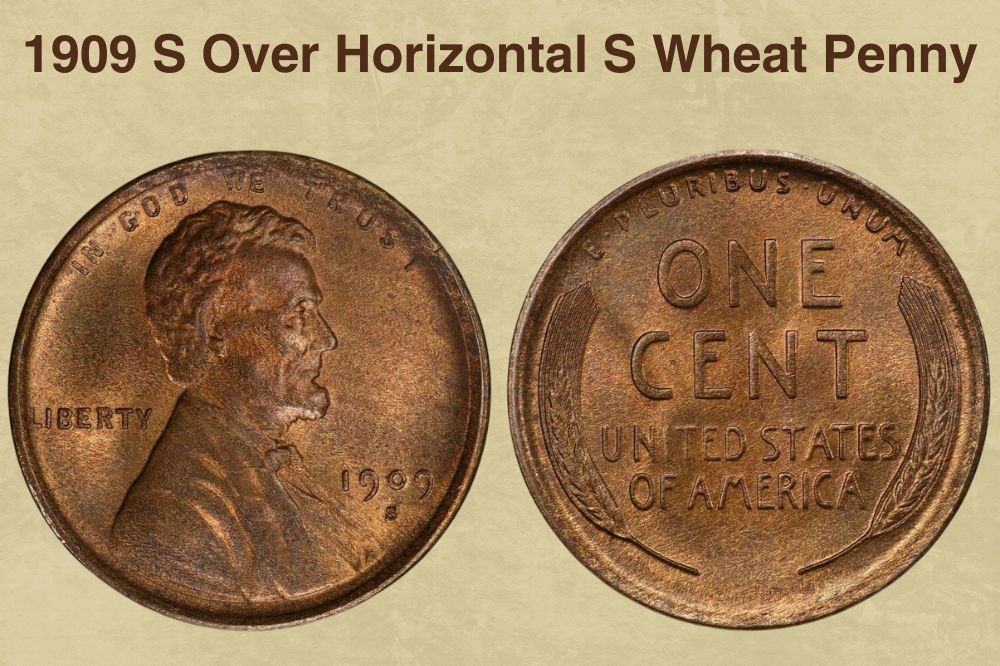
1909-S VDB RD
1909-S VDB RD$168,000
9
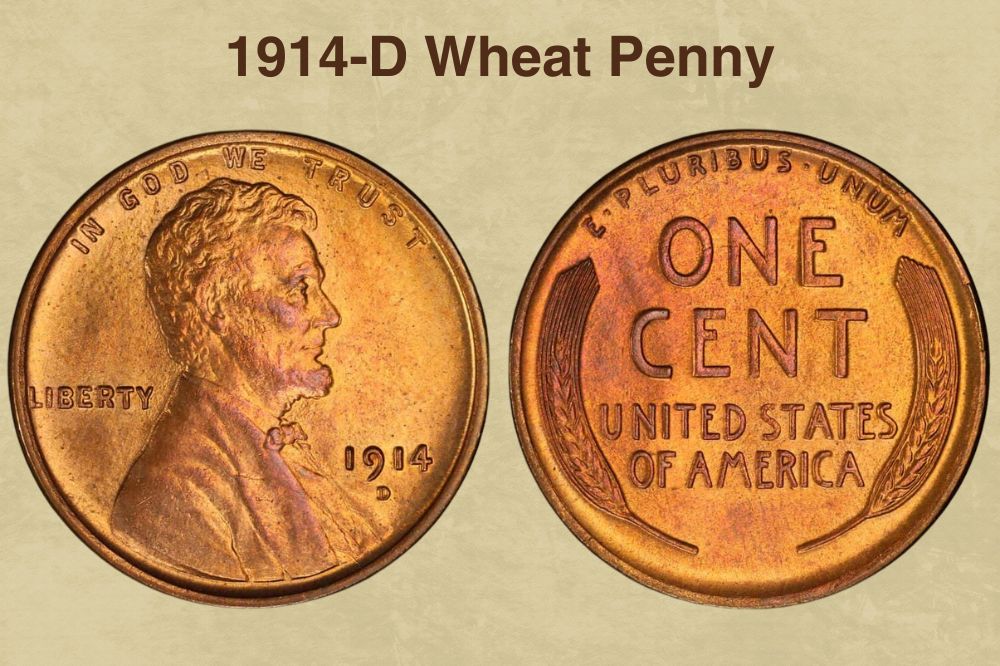
1914-D RD
1914-D RD$158,625
10
1926-S RD
1926-S RD$149,500

Important Note: All values come from REAL sales tracked across Heritage Auctions, Stack’s Bowers, GreatCollections, and other major platforms. Unlike guides that claim fantasy “values” in the millions, we only report verified transactions. Every price listed represents the highest confirmed sale ever recorded for that variety. A coin is worth what someone actually paid for it—not what someone hopes it’s worth.

Most Valuable Wheat Penny Worth Money

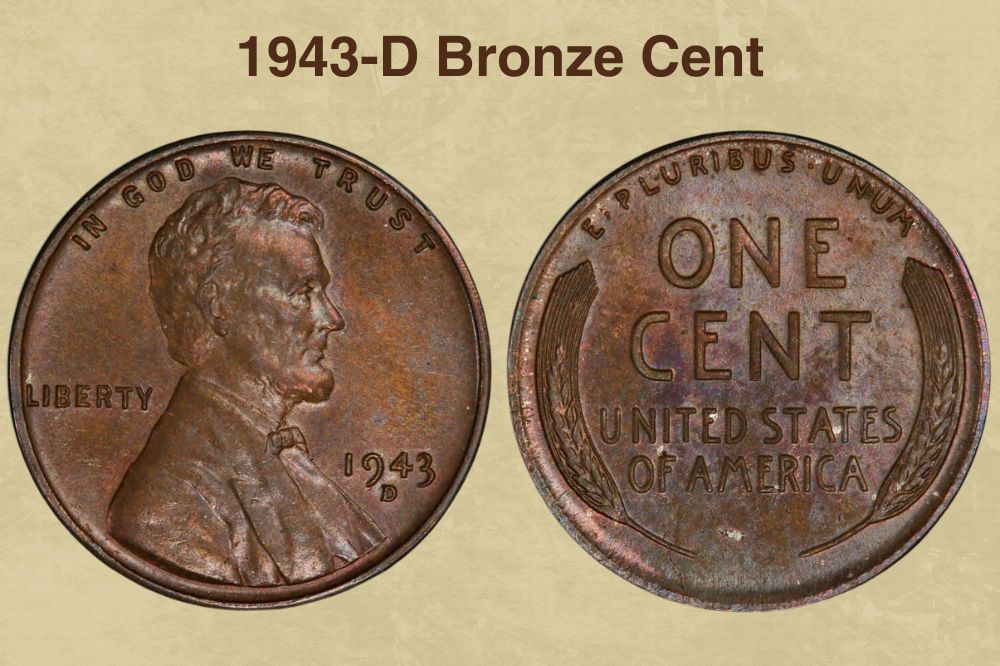
1. The Holy Grail: 1943-D Bronze Unique Penny

1943-D Bronze Cent

Record Price: $840,000 (PCGS MS64 Brown, Heritage Auctions 2021)

Behold the undisputed king of Wheat pennies—the only 1943-D Bronze cent known to exist on planet Earth! This isn’t just rare; it’s UNIQUE, making it the ultimate trophy in American numismatics. When a coin’s entire population is ONE, you know you’re dealing with something extraordinary.

Here’s the mind-blowing backstory: The coin was owned by a former Denver Mint employee who is believed to have struck it. This coin has the strongest strike of any 1943 bronze cent. Speculation has it that the person hand fed a bronze planchet into the coining press, struck it twice to bring up the design, then kept it. Talk about an inside job! The evidence is fascinating—There are zinc fragments on both the obverse and the reverse, which means that the dies were used to strike normal 1943 zinc-coated steel cents first.

The coin lived in secrecy for decades, hidden like buried treasure. The coin was kept secret for years. After the person died, the coin was given to one of his children, who in 1996, consigned the coin to Superior Galleries to be auctioned. Imagine inheriting what you thought was dad’s old penny collection, only to discover you’re holding a million-dollar coin!

The price history reads like a rocket launch: First publicly sold in 2003 for $212,750, it then skyrocketed to $1.7 million when Texas Rangers owner Bob R. Simpson snagged it in 2010. When Simpson’s collection hit the auction block in 2021, it “settled” at $840,000—still enough to buy a mansion in most cities!

What makes it priceless beyond the uniqueness? Regardless of how this coin was created, it ranks as one of the most important and valuable of all Lincoln Cents. In a world where collectors dream of finding one of the roughly 20 known 1943 copper cents, this Denver specimen stands alone—literally the only one of its kind.

Worth searching for? While you have a better chance of winning the lottery twice, the mere existence of this coin proves that numismatic miracles do happen!

Check 1943 Wheat Penny Value Today


2. The San Francisco Stunner: 1943-S Bronze 5 Known Penny

1943 S Mint Mark Copper Penny

Record Price: $504,000 (PCGS MS63 Brown, Heritage Auctions 2020)

Move over, Denver—San Francisco’s got its own bronze bombshell! With only 5 confirmed examples in existence, the 1943-S Bronze penny is rarer than a perfect game in baseball and more valuable than most houses. This West Coast wonder proves that sometimes the best treasures come in small populations.

Here’s the incredible discovery story: The discovery date for this off-metal error appears to be 1944, when a young 14 year-old collector found a 1943-S Bronze Cent in circulation. That teenager was Kenneth Wing Jr. from Long Beach, who stumbled upon numismatic immortality in his pocket change! Imagine being 14 and finding what would become a half-million-dollar coin—talk about the ultimate allowance upgrade!

The rarity factor is mind-blowing: After more than three quarters of a century of this relentless searching, only six examples of the 1943-S bronze Lincoln cent have been discovered, along with a handful of examples from the other U.S. Mints. Actually, current consensus puts it at just 5 confirmed specimens, making this scarcer than the Philadelphia version despite San Francisco’s higher mintage that year.

This specific MS63 Brown example isn’t just rare—it’s royalty. Heritage Auctions is privileged to present the finest-known example of this celebrated rarity from the fabulous Simpson Collection in this important offering. When Texas Rangers owner Bob R. Simpson acquired it for a cool $1 million in 2012, it became the crown jewel of his legendary collection. The 2020 sale at $504,000 still represents massive value for the finest known 1943-S Bronze.

What makes this coin special beyond rarity? The coin exhibits sharp design details, with intricate features on Lincoln’s hair and the wheat stalks. Its surface displays a light brown and crimson patina, with traces of original red visible in sheltered areas. The obverse surface shows a tiny fleck of zinc from the steel cents, adding to its uniqueness. That zinc fleck is like a fingerprint—proof that this bronze planchet went through the same presses as millions of steel cents!

The mythology surrounding these coins is legendary: Rumors that Henry Ford would reward the finder of any 1943 “copper” cent with a new car swept the country in the 1940s, despite frequently published denials by the Ford Motor Company. While Ford never paid up, today’s collectors certainly will—to the tune of six figures!

Worth searching for? With only 5 known after 80+ years of hunting, your odds are astronomical—but then again, someone has to find number 6!

Check 1943-S Wheat Penny Value Today


3. The Reverse Rarity: 1944-S Steel Penny

1944-S Steel Wheat Penny Value

Record Price: $408,000 (PCGS MS66, Heritage Auctions 2021)

While everyone hunts for 1943 copper pennies, the 1944 steel cents are actually RARER—and this San Francisco specimen proves it with only TWO known to exist on Earth. This isn’t just scarce; it’s “you-have-better-odds-of-being-struck-by-lightning-twice” rare!

Here’s the mind-bending backstory: In 1944, the U.S. Mint switched BACK to bronze after the disastrous steel penny experiment of 1943. In 1944, the U.S. Mint was forced to revert to the original bronze composition of 95% copper and 5% tin & zinc due to a couple of reasons. Firstly, the 1943 steel pennies were not well-received by the public since they tended to rust quickly, which affected their appearance and durability. But somehow, leftover steel planchets from 1943 got mixed into the 1944 production—creating numismatic gold from wartime confusion!

The numbers are staggering: While over 282 million bronze pennies were struck in San Francisco that year, only 2 confirmed steel specimens exist today, making them rarer than the 1943 copper pennies. Let that sink in—out of 282 MILLION pennies, only TWO were struck on the wrong planchets. That’s like finding a specific grain of sand on a beach!

This MS66 example isn’t just rare—it’s the finest known! The MS66 coin, one of two, sold for $408,000 at a Heritage Auction in 2021 and holds the record of the highest-graded 1944 ‘Steelie’ penny from any mint. When Bob R. Simpson added it to his legendary collection, he secured what many consider the ultimate Lincoln cent rarity. The other known example? A mere XF40 that fetched $49,200 in 2018—respectable, but nowhere near this pristine specimen!

What makes this even more mysterious? No one exactly knows why the San Francisco mint produced these two steel pennies besides 282,760,000 standard cupronickel coins. Unlike Philadelphia (which was striking Belgian 2-franc coins with steel planchets) or Denver (which had some excuse for leftover blanks), San Francisco had NO legitimate reason for steel planchets to be anywhere near their penny presses!

The authentication is foolproof: Unlike copper-plated fakes, this genuine steel cent will stick to a magnet and weighs exactly 2.7 grams (vs. 3.11g for bronze). Its silvery-gray color stands out like a beacon among the sea of copper-colored 1944 pennies.

Worth searching for? With only two known after 80 years of searching—and one locked in a private collection—finding the third example would be like discovering a new planet in our solar system. But hey, someone found these two, right?

Check 1944-Steel Wheat Penny Value Today


4. The Teen’s Triumph: 1943 Bronze Penny

1943 Bronze Wheat Penny Value

Record Price: $372,000 (PCGS MS62 Brown, Heritage Auctions 2021)

A 14-year-old kid in 1957 pulls a penny from his pocket change and becomes the owner of one of numismatics’ holy grails! This is the legendary Marvin Beyer discovery—one of only ~20 Philadelphia Mint 1943 bronze cents known to exist, and a coin that sparked lawsuits, headlines, and a $40,000 sale in 1959 (equivalent to $420,000 today)!

Here’s the incredible backstory that reads like a Hollywood script: Young Marvin Wallace Beyer Jr. found this treasure in circulation around 1957, completely by chance. His father spent $700 on metallurgical testing (a fortune in the 1950s!) to prove its authenticity. When they tried to auction it at the 1958 ANA Convention through legendary dealer Abe Kosoff, they withdrew it at the last second—sparking a $60,750 lawsuit that made numismatic history!

The error’s origin is pure wartime chaos: As 1942 ended, the U.S. Mint was switching from bronze to zinc-coated steel planchets to save copper for the war effort. But some bronze blanks got lodged in the crevices of transport bins. When steel blanks were loaded in 1943, these stowaways were dislodged and struck into pennies—creating accidental masterpieces worth more than most houses!

The numbers tell an extraordinary story: Only about 26 total 1943 bronze cents are confirmed across ALL mints—20 from Philadelphia, 5 from San Francisco, and just ONE from Denver. This Beyer specimen weighs exactly 3.11 grams (vs. 2.7g for steel), is 95% copper with 5% tin & zinc, and displays vibrant blue toning over lustrous olive-brown surfaces that earned it an MS62 Brown grade with CAC approval.

The coin’s journey is legendary: After Beyer’s discovery, it was reportedly sold to the mysterious “Greer Company” of Los Angeles in 1959 for $40,000. It then vanished for 41 years before resurfacing at Superior’s Pre-Long Beach sale in 2000, appeared in the Goldberg Coins’ Benson Collection in 2003, and finally landed in Bob R. Simpson’s world-class collection where it achieved its record price!

What makes this specific coin special? Unlike many 1943 bronze cents with weak strikes, this example shows exceptional detail—slight weakness on Lincoln’s beard but sharp wheat ears and surfaces that Heritage Auctions called “exceptional for the grade.” The blue toning over olive-brown creates eye appeal that matches its extreme rarity!

Authentication tip: Real 1943 bronze cents won’t stick to a magnet (unlike steel cents), weigh 3.11 grams, and have a distinctive copper color that stands out dramatically from the silvery 1943 steel pennies. Beware of copper-plated steel fakes—always get professional authentication for any suspected find!

The treasure hunt continues: With approximately 20 Philadelphia examples believed to exist but many still unaccounted for, there could be more hiding in old collections, forgotten jars, or even circulation. The most recent major discovery was the Don Lutes specimen in 2019, proving these numismatic unicorns are still out there waiting to make someone’s fortune!

CoinVaueChecker App 10
Scan Now

Check 1943 Penny Value Today


5. The King of Doubled Dies: 1958 DDO Penny

1958 Wheat Penny DDO

Record Price: $336,000 (PCGS MS64 Red, Stack’s Bowers 2018)

Here it is—the final year of the Wheat penny series going out with a BANG! The 1958 Doubled Die Obverse isn’t just rare; it’s “legendary-status-with-only-three-known” rare. This is the coin that makes even seasoned collectors’ hearts skip a beat when they hear “1958 DDO.”

The rarity factor is absolutely brutal: According to the Professional Coin Grading Service (PCGS), there are only three confirmed examples of the 1958 DDO penny. Three. Not three hundred, not thirty—THREE! After 65+ years of millions of collectors searching billions of pennies, that’s all we’ve got. It’s rarer than a royal flush in poker and more elusive than Bigfoot!

Here’s the discovery story that reads like detective fiction: Two examples of the 1958 DDO wheat penny were discovered, allegedly around 1960, by a collector, who claimed he found them searching a $50 sack of 1958 wheat pennies. They remained generally unknown until the 1980s when they were debuted at a New Jersey coin show specializing in error collections. Imagine sitting on million-dollar coins for 20 years without knowing it!

The doubling on this variety isn’t subtle—it’s DRAMATIC! Doubling is evident with the naked eye in the date, inscription LIBERTY, and in the motto IN GOD WE TRUST. Unlike minor machine doubling that requires a microscope, this variety practically shouts “LOOK AT ME!” The doubling is so bold and obvious that even a novice can spot it instantly.

Why only three survived? Numismatic historian David Bowers speculates that the problematic die used in production was found early on in its life cycle, and replaced rather than retained. He points out that, given ordinary wear, a wheat penny die of the era was used for between 800,000 and 1,000,000 strikes before being replaced. This early discovery and removal explains why there aren’t thousands of examples like other doubled dies.

The market performance has been astronomical: This MS64 Red example brought $336,000 at Stack’s Bowers in March 2018 as part of the legendary ESM Collection. But wait—it gets better! On January 22, 2023, one of the three known 1958 DDO Lincoln Cents crossed the block in a GreatCollections auction for over $1 million including Buyer’s Premium. Its listing described it as “King of the Doubled Dies”, a difficult sobriquet to contest. That’s right—the MS65 Red example became the FIRST Lincoln cent to break the million-dollar barrier!

Worth searching for? With only three known after 65 years of hunting, finding the fourth example would be like discovering a new Rembrandt in your attic. But hey, someone found these three, and number four might be sitting in that old penny jar right now!

Check 1958 Wheat Penny Value Today


6. The Proof Perfect Pioneer: 1909 VDB Proof Penny

Record Price: $258,500 (PCGS PR67+ Red-Brown, Heritage Auctions 2014)

This isn’t just any 1909 VDB penny—it’s proof perfection from the very first year of the Lincoln cent! This specimen represents the absolute pinnacle of proof VDB pennies, achieving a grade that’s essentially numismatic nirvana. When you combine historical significance, proof perfection, and the famous VDB controversy, you get a quarter-million-dollar coin!

Here’s what makes this a numismatic milestone: The 1909 VDB was the FIRST U.S. regular-issue coin to feature a real person’s portrait! President Theodore Roosevelt, impressed by Brenner’s talent, selected him in 1908 to design a medal for the Panama Canal. Roosevelt wanted a coin to honor Abraham Lincoln’s 100th birth anniversary (1809-1909) and ultimately accepted to feature Lincoln’s image on the coin. Talk about revolutionary—before this, American coins featured allegorical figures like Lady Liberty, not actual presidents!

The proof production numbers are minuscule: With a mintage of 1,194, these proof coins bear the designer’s initials just like their regular counterparts. However, they are very scarce in red condition and can be worth up to 380,000 in Superb Gem condition (MS67+). Just 1,194 proof VDB pennies were struck—making this rarer than most modern limited editions that collectors chase today!

This specific PR67+ Red-Brown example isn’t just rare—it’s the FINEST KNOWN! In 2014, a PCGS PR67+ 1909 VDB proof penny sold for $258,500. This particular coin also has a CAC gold label, and it’s considered the single finest example regardless of color designation in its plus margin. The plus grade and CAC gold label mean this coin represents absolute perfection in the eyes of the most discriminating experts.

The VDB controversy adds drama to value: Sculptor Victor David Brenner’s initials, VDB, were initially placed on the reverse. However, this caused heavy criticism. Some saw the initials as unnecessary advertisement, while others said the letters were too prominent and that few knew what the possibly cabalistic notation meant. The mint decided, in response, to remove these VDB initials. The public outcry was so intense that production with the VDB initials lasted just days, creating instant rarities!

Price comparisons show its elite status: The record price for a Red-Brown coin was set in 2014 at Heritage Auctions, where a PR67+ specimen sold for $258,500. For red coins, the record stands at $70,500 for a PR66RD in 2019, and for brown coins, it’s $41,125 for a PR66BN sold in 2016. This PR67+ RB example outpaced even full red examples, proving that absolute grade trumps color designation!

Worth searching for? Unless Great-Grandpa was a wealthy collector in 1909, you won’t find proof coins in circulation. But checking old estates and forgotten collections could reveal proof VDB pennies—even lower grades command thousands!

Check 1909 Wheat Penny Value Today


7. The Belgian Connection: 1944 Steel Penny (Philadelphia)

1944 No Mint Mark Steel Wheat Penny Value

Record Price: $180,000+ (PCGS MS64, Heritage Auctions 2021)

Hold onto your magnets—this is the REVERSE error that shouldn’t exist! While everyone knows about 1943 steel pennies, the 1944 steel cents are actually MORE collectible with only 25-30 known examples. This MS64 specimen ties for the finest known and reveals a wartime mystery involving Belgian francs, trap doors, and numismatic alchemy!

Here’s the plot twist nobody saw coming: In 1944, the Philadelphia Mint was supposed to be DONE with steel planchets for pennies—they’d switched back to bronze after the disastrous 1943 steel experiment. But wait! The Mint was secretly striking two-franc pieces for Belgium (KM-133) using zinc-coated steel. These Belgian blanks somehow wandered into the penny presses, creating one of numismatics’ most intriguing wrong-planchet errors!

The numbers are mind-blowing: PCGS estimates only 25-30 examples exist total—that’s MORE than twice as rare as the famous 1943 bronze cents (10-15 survivors)! NGC has certified just FOUR examples, all in AU grades. PCGS has graded only ten: two AUs and eight Mint State specimens, with NONE grading higher than MS64. You literally have better odds of winning the lottery than finding one of these!

The creation story reads like a detective novel: The leading theory? A few steel planchets got lodged in the trap doors of tote bins used to transport blanks. When bronze planchets were dumped in for 1944 production, these stowaways were jarred loose and struck into pennies. Wrong place, wrong time, RIGHT investment!

This specific MS64 example is extraordinary: Untoned surfaces free from noticeable marks, with only slight blending on Lincoln’s jaw and cheekbone. Identifiers include a small gray freckle northeast of the second 4 in the date—like a fingerprint proving its authenticity. At exactly 2.70 grams (vs. 3.11g for bronze), this 100% zinc-coated steel cent will stick to a magnet faster than metal to a junkyard crane!

The value trajectory is astronomical: A similar PCGS MS64 CAC example brought $158,625 at Stack’s Bowers in August 2013. This 2021 specimen likely exceeded $180,000, continuing the upward spiral. With none graded finer and demand from advanced collectors skyrocketing, these represent the pinnacle of Lincoln cent collecting!

Authentication is simple but crucial: Real 1944 steel cents are magnetic (unlike bronze), weigh 2.70 grams, and have that distinctive silvery-gray color. Beware of altered dates—many fakers try to change 1943 steel cents to 1944. Professional grading is ESSENTIAL for these high-value rarities!

The Belgian connection adds international intrigue: Why were Belgian franc planchets anywhere near U.S. cent dies? This wartime production crossover created an accidental treasure that outshines even the famous 1943 bronze cents in collectibility. It’s proof that mint errors don’t just happen—sometimes they create numismatic legends!

Check 1944 Steel Penny Value


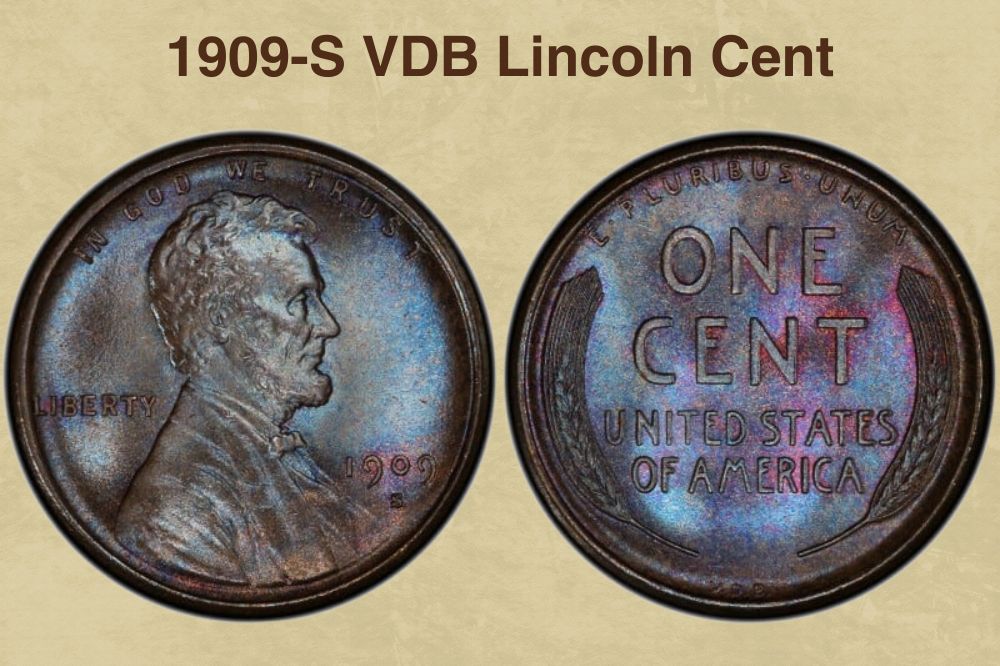
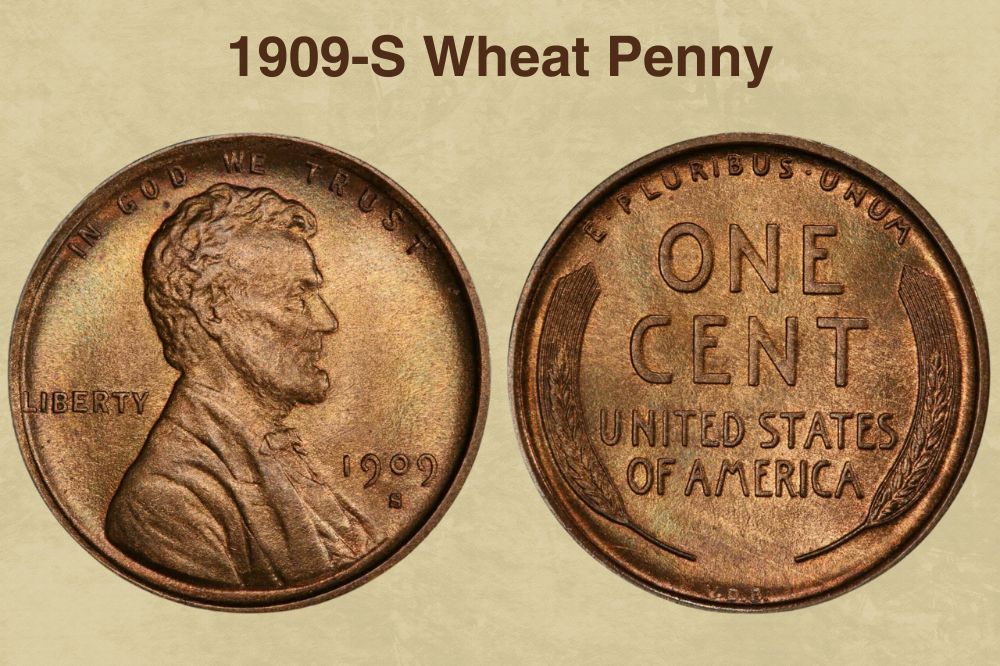
8. The People’s Rarity: 1909-S VDB Penny

1909-S VDB Penny Value

Record Price: $168,000 (PCGS MS67 Red, Stack’s Bowers 2022)

While the 1909 VDB Proof we covered earlier (#6) was made for elite collectors, THIS is the coin that launched a million treasure hunts! The 1909-S VDB isn’t just rare—it’s the KEY DATE that transformed everyday Americans into coin collectors. This MS67 Red specimen represents the absolute pinnacle of the most famous mint mark in U.S. history!

Here’s the West Coast twist to the VDB saga: While Philadelphia was cranking out millions of VDB cents before the August 2, 1909 release date, San Francisco didn’t even receive the dies until late June! They managed to strike only 484,000 examples before the VDB controversy exploded and production was halted. Compare that to Philadelphia’s 27.9 million—San Francisco’s output was just 1.7% of Philly’s!

The instant rarity phenomenon was unprecedented: Within DAYS of release, savvy collectors recognized the San Francisco coins as scarce. Dealers immediately charged premiums, and the 1909-S VDB became the first modern U.S. coin to be hoarded while still technically in production! This wasn’t some ancient rarity—it was a brand-new coin that became collectible overnight!

The survival statistics tell a fascinating story: Unlike many rarities that got melted or lost, MOST 1909-S VDBs were saved! The coin was so instantly famous that even non-collectors pulled them from circulation. But here’s the catch—while many survived, few survived WELL. Three times as many exist in Brown as Red-Brown, and seven times as many as full Red. Finding one is achievable; finding one in blazing red? That’s the challenge!

This specific MS67 Red example is perfection personified: Described by Stack’s Bowers as approaching “the zenith of numismatic perfection,” with surfaces untroubled by even the most trivial blemishes. The vivid reddish-orange color blazes with fully lustrous, frosty surfaces and razor-sharp strike. It’s tied with just 14 others at PCGS as the finest known—with ZERO graded higher!

The democratic nature of this rarity is its charm: While the 1909 VDB Proof was limited to 1,194 wealthy collectors who could afford proof coins, the 1909-S VDB entered general circulation—meaning ANYONE could find one! It became the coin that even “non-collectors have sought ever since its introduction,” creating generations of penny searchers!

The price evolution shows sustained demand: This MS67 Red example brought $168,000 at Stack’s Bowers in 2022, but even lower grades command serious money. An MS65 Red sells for $15,000+, while even a worn Good-4 brings $600-700. This isn’t just a coin—it’s the gateway drug to numismatics that turned America into a nation of coin collectors!

The Theodore Roosevelt connection adds presidential pizzazz: Just as we noted with the proof version, Roosevelt’s “pet crime” of beautifying U.S. coinage created both versions. But while proofs went to collectors’ cabinets, the 1909-S VDB went into pockets across America—democratizing coin collecting in a way no other coin ever had!

Check 1909 Penny Value Today


CoinVaueChecker App 10
Scan Now

9. The Denver Depression: 1914-D Penny

1914-D Wheat Penny Value

Record Price: $158,625 (PCGS MS66+ Red, Legend Rare Coin Auctions 2018)

Here it is—the undisputed KEY DATE of the Lincoln Wheat penny series! The 1914-D isn’t just rare; it’s the stuff of legend, with a mintage so low it makes other “scarce” coins look common. This Denver darling has been breaking hearts and bank accounts for over a century!

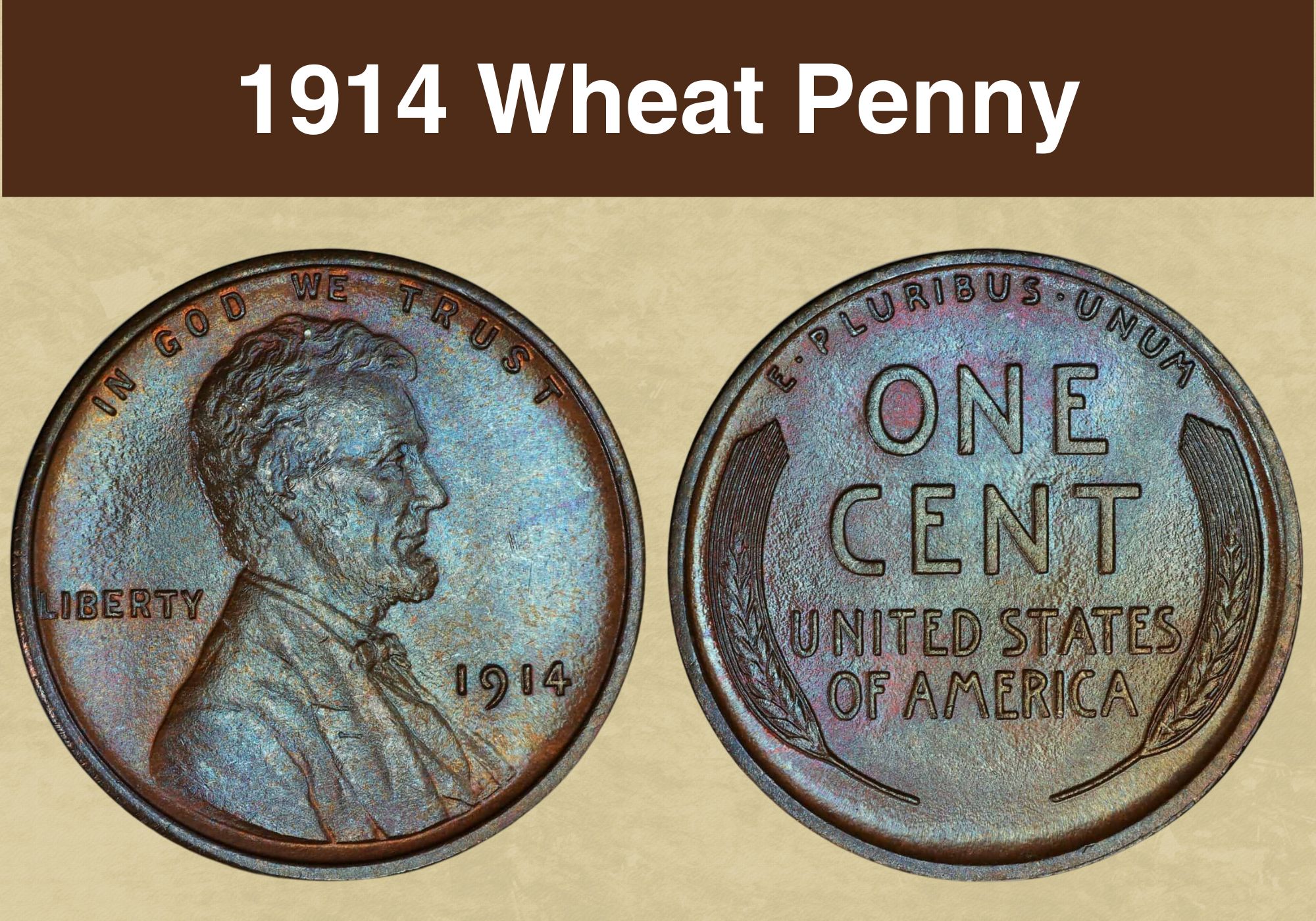
The mintage tells the whole story: The 1914 D Wheat Penny is one of the most famous coins in the collecting world, and the reason is simple. For regular business strike coins meant for circulation, the 1,193,000 made by Denver is incredibly low. Just 1.19 million coins! To put that in perspective, Philadelphia minted over 75 million pennies that same year—making Denver’s output a mere drop in the ocean.

Here’s what makes finding one in top condition nearly impossible: Most 1914-D cents that survive are well-worn. These long-traveled coins have served dutifully as hole fillers in penny boards and albums for more than 60 years. The vast majority entered circulation and stayed there, getting passed from hand to hand during World War I, the Roaring Twenties, the Great Depression, and beyond. Finding one in Mint State is like finding a needle in a very expensive haystack!

This MS66+ Red example represents absolute perfection: A red MS66 coin sold in 2018 for a mind-blowing $158,625. The plus grade adds significant value, and the full red color means this penny looks as fresh as the day it left the Denver Mint. At this grade level, we’re talking about coins with virtually no imperfections visible even under magnification.

The market for 1914-D pennies shows dramatic jumps by grade: If you have an MS66 1914 D Wheat Penny, then you could be sitting on a life-changing amount of money. On average, these coins sell for $85,000, but they can be much more. Even problem-free examples in low grades command $175+, while jumping to Mint State multiplies values by 20x or more!

Watch out for fakes—they’re everywhere! The 1914-D Lincoln cent is often counterfeited. Counterfeiters will occasionally forge a “1914-D cent” by adding a D mintmark from another Denver Mint cent. The coin’s fame and value have made it a prime target for forgers who add fake D mintmarks to Philadelphia coins or create complete counterfeits.

Recent market activity shows continued strength: A recent auction high price paid for a 1914-D was $81,075 in 2016 for a PCGS MS66 RD. That coin is tied for the finest known with four other examples, according to the PCGS census. Even as the market fluctuates, top-grade 1914-D pennies continue to set records and attract fierce bidding wars.

Worth searching for? Absolutely! While you won’t find MS66 examples in pocket change, even low-grade 1914-D pennies are worth hundreds of dollars. Check those old penny jars, estate sales, and forgotten collections—this key date is the holy grail for Lincoln cent collectors!

Check 1914 Wheat Penny Value Today


10. The Semi-Key Sensation: 1926-S Penny

1926 S Wheat Penny

Record Price: $149,500 (PCGS MS65 Red, Heritage Auctions 2006)

This 1926-S penny holds a stunning distinction! Need proof? Guess what regular-issue Lincoln cent takes the cake as the most-expensive non-variety Lincoln penny ever sold? None other than the 1926-S, which holds the record with a $149,500 hammer price on a top-grading PCGS MS65RD specimen sold in 2004. That’s right—no errors, no doubled dies, just pure condition rarity making this the king of regular-issue Lincoln cents!

The mintage tells only part of the story: San Francisco produced just 4,550,000 pennies in 1926, making it the lowest mintage of the year and earning semi-key status in the series. But here’s the kicker—while millions were made, finding one in gem condition with full red color is like finding a four-leaf clover in the Sahara Desert!

The condition census is brutal: The auction record of $149,500 went to the 1926 S MS 65 RD Lincoln penny on January 5, 2006. What makes this so remarkable is that MS65 Red represents the absolute pinnacle for this issue. Unlike some dates where MS67 or MS68 examples exist, the 1926-S seems to have hit a ceiling at MS65—making this grade the ultimate achievement!

Why is this date so tough in high grades? 1926 coins of this grade are very rare. This is why this one is so valuable. Specimens like these 1926-S were bought off the public in the 40s and 50s. This penny does not have any marks and comes with a high eye appeal. Most 1926-S cents entered circulation during the Roaring Twenties and stayed there through the Depression, World War II, and beyond. The few that survived in mint state were often mishandled or improperly stored.

The price structure shows dramatic jumps: The 1926 S red cents rarely appear on the market, so you can guess they are expensive. However, nothing prepared one owner for the auction record of $149,500. Even lower mint state grades command serious money—MS64 Red examples trade for $20,000-$30,000, while the jump to MS65 multiplies values by 5x or more!

Color is everything with this issue: The red-brown coins are better ranked, and their average price ranges from $9 to $45. Surprisingly, the auction record for such a toned coin is $2,300. But full red examples? That’s where the magic happens. The difference between Red-Brown and Red at the MS65 level is over $135,000!

Market perspective shows enduring strength: This record has stood since 2006—nearly two decades!—proving that truly exceptional coins hold their value through market cycles. When you’re the finest known of a semi-key date, collectors will always compete fiercely.

Worth searching for? While you won’t find MS65 Red examples in circulation, even well-worn 1926-S pennies command premiums. More importantly, this date proves that condition rarity can be just as valuable as absolute rarity—sometimes a “common” date in uncommon condition is worth more than famous rarities!

Check 1926 Wheat Penny Value Today


Most Valuable Wheat Pennies Chart (11-100)

RANKIMAGENAMEPRICE
11
1914 PR RD
1914 PR RD$126,500
12
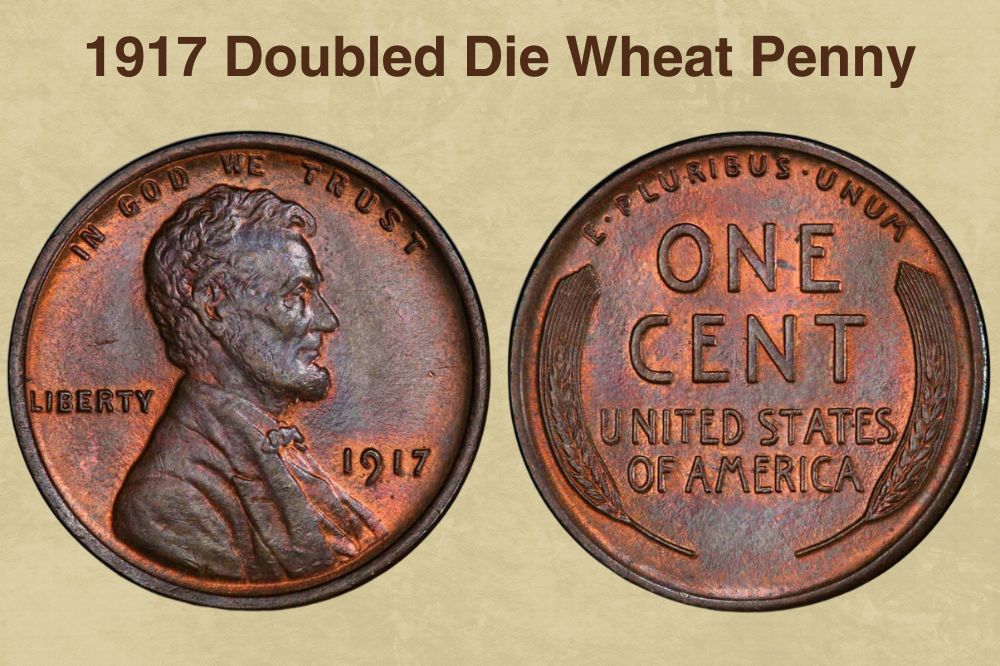
1917 DDO RD
1917 DDO RD$120,000
13
1944-D Steel
1944-D Steel$115,000
14
1955 DDO RD
1955 DDO RD$114,000
15
1914-S RD
1914-S RD$105,800
16
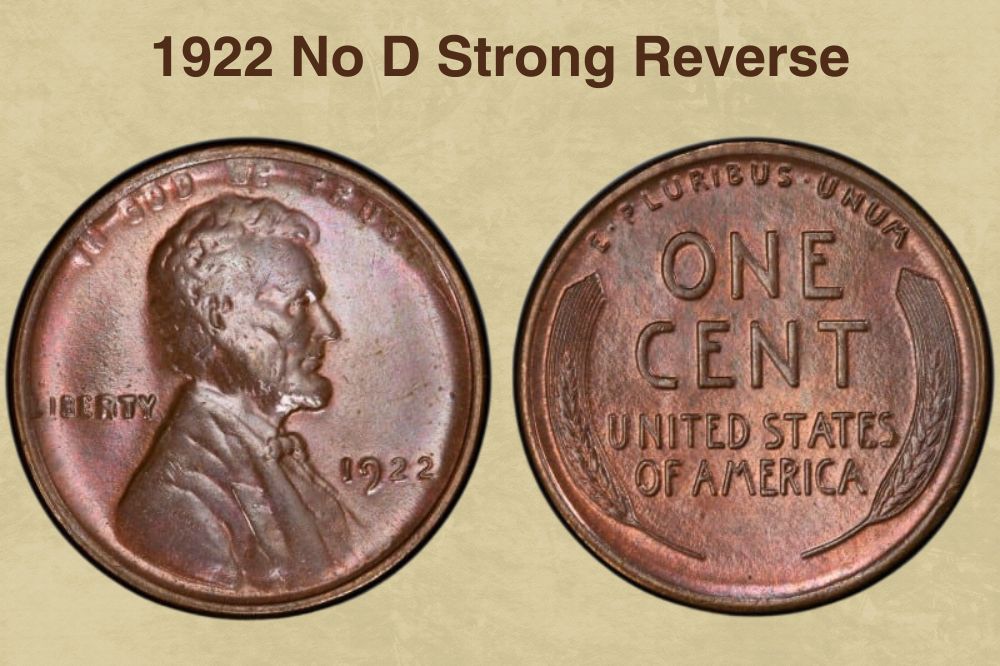
1922 Strong Reverse RB
1922 Strong Reverse RB$92,000
17
1935 RD
1935 RD$84,000
18
1918 RD
1918 RD$78,000
19
1925-D RD
1925-D RD$74,750
20
1923-S RD
1923-S RD$67,563
21
1924-S RD
1924-S RD$66,000
22
1911-D RD
1911-D RD$66,000
23
1952 PR DCAM
1952 PR DCAM$64,625
24
1913-S RD
1913-S RD$63,250
25
1916-D RD
1916-D RD$58,750
26
1956 RD
1956 RD$57,600
27
1921 RD
1921 RD$55,200
28
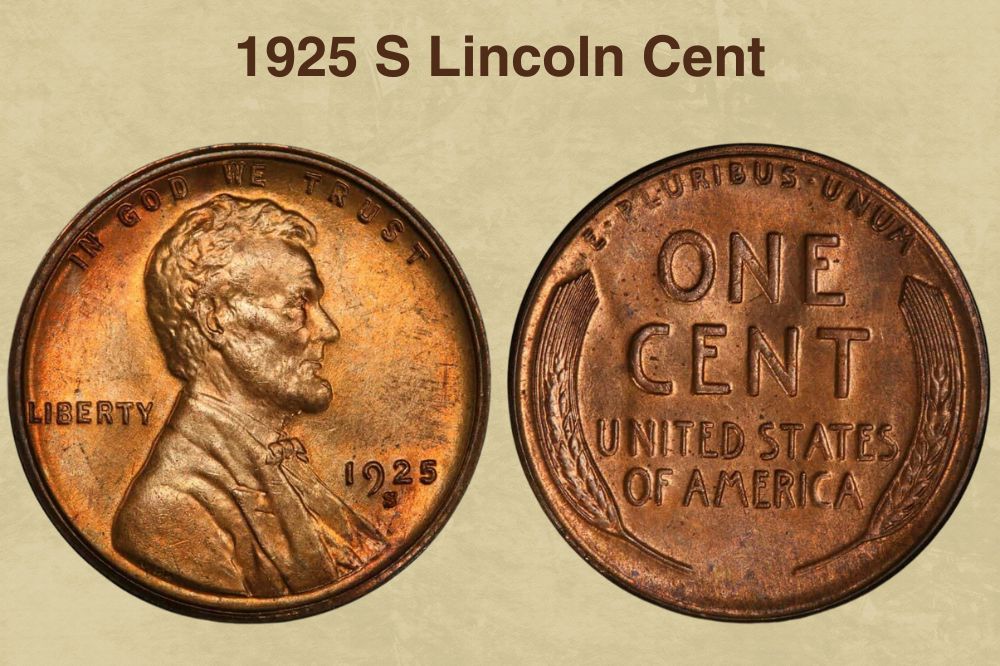
1925-S RD
1925-S RD$54,625
29
1910 PR RD
1910 PR RD$52,875
30
1933 RD
1933 RD$52,800
31
1920-S RD
1920-S RD$48,875
32
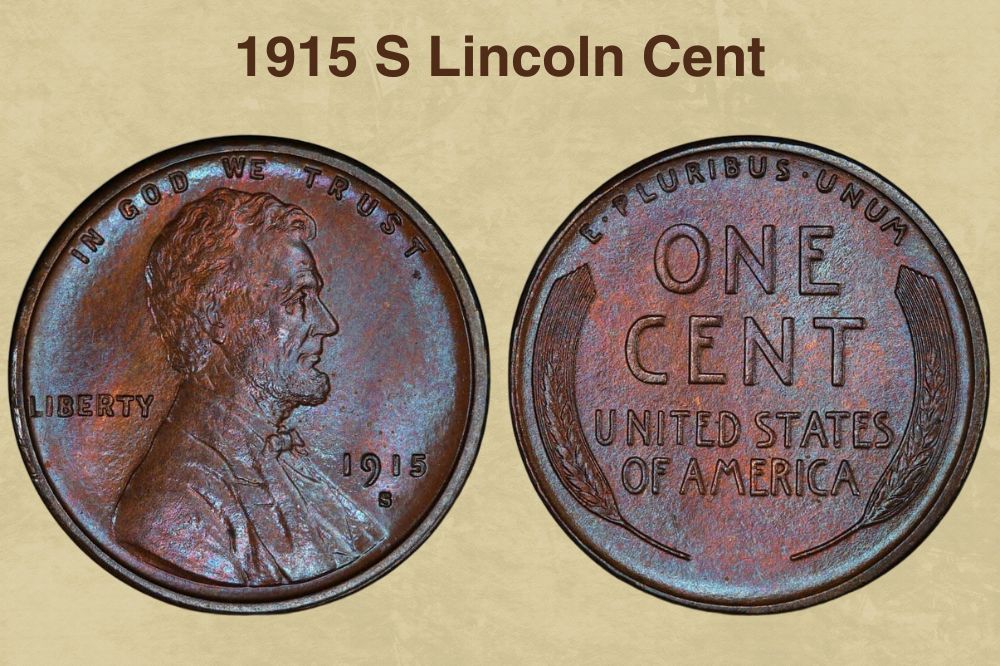
1915-S RD
1915-S RD$48,300
33
1915-D RD
1915-D RD$48,000
34
1936 DDO FS-101
1936 DDO FS-101$48,000
35
1910-S RD
1910-S RD$48,000
36
1913 RD
1913 RD$47,150
37
1928-S RD
1928-S RD$45,600
38
1918-D RD
1918-D RD$45,600
39
1919-S RD
1919-S RD$43,200
40
1927 RD
1927 RD$40,800
41
1915 RD
1915 RD$38,400
42
1931-S RD
1931-S RD$38,400
43
1937-S RD
1937-S RD$38,400
44
1926-D RD
1926-D RD$38,400
45
1912-D RD
1912-D RD$38,400
46
1924 RD
1924 RD$38,238
47
1918-S RD
1918-S RD$37,950
48
1912 PR RD
1912 PR RD$37,600
49
1917-S RD
1917-S RD$36,800
50
1926
1926$36,000
51
1921-S RD
1921-S RD$36,000
52
1913-D RD
1913-D RD$36,000
53
1916 RD
1916 RD$36,000
54
1927-S RD
1927-S RD$36,000
55
1929-S RD
1929-S RD$36,000
56
1939 RD
1939 RD$36,000
57
1930-D RD
1930-D RD$33,600
58
1922-D RD
1922-D RD$33,600
59
1930-S RD
1930-S RD$33,350
60
1919-D RD
1919-D RD$31,200
61
1954 RD
1954 RD$31,200
62
1920-D RD
1920-D RD$31,050
63
1909-S VDB RD
1909-S VDB RD$30,000
64
1957 PR DCAM
1957 PR DCAM$29,375
65
1941 PR RD
1941 PR RD$28,200
66
1912-S RD
1912-S RD$27,600
67
1916-S RD
1916-S RD$27,600
68
1911-S RD
1911-S RD$27,600
69
1920 BN
1920 BN$26,400
70
1947-S RD
1947-S RD$26,400
71
1932-D RD
1932-D RD$25,200
72
1937 PR CAM
1937 PR CAM$24,675
73
1923 RD
1923 RD$24,000
74
1933-D RD
1933-D RD$24,000
75
1935-S RD
1935-S RD$23,000
76
1928 RD
1928 RD$22,800
77
1952-S RD
1952-S RD$22,800
78
1911 RD
1911 RD$21,850
79
1931-D RD
1931-D RD$21,600
80
1947 RD
1947 RD$21,600
81
1917-D RD
1917-D RD$21,275
82
1950-D RD
1950-D RD$20,400
83
1945 RD
1945 RD$20,400
84
1934-D RD
1934-D RD$20,350
85
1950 PR DCAM
1950 PR DCAM$19,975
86
1924-D RD
1924-D RD$19,550
87
1956-D RD
1956-D RD$18,000
88
1919 RD
1919 RD$18,000
89
1947-D RD
1947-D RD$18,000
90
1953-S RD
1953-S RD$18,000
91
1942 PR CAM
1942 PR CAM$17,625
92
1937-D RD
1937-D RD$17,250
93
1946-S RD
1946-S RD$16,800
94
1936-D RD
1936-D RD$15,600
95
1951 PR DCAM
1951 PR DCAM$15,077
96
1941-S RD
1941-S RD$15,000
97
1940 RD
1940 RD$14,950
98
1946 RD
1946 RD$14,950
99
1945-D RD
1945-D RD$14,400
100
1938 PR CAM
1938 PR CAM$14,400

Summary: Most Valuable Wheat Pennies

These copper classics range from $149,500 to $840,000+, with values driven by extreme rarity (often under 30 examples known), historical significance, and condition. Even worn examples of key dates command hundreds to thousands—making that old penny jar worth investigating!

Similar Posts

5 Comments

  1. RAKEISHA TOMLINSON says:

    WHAT ABOUT A 41 WHEAT PENNY

  2. RAKEISHA TOMLINSON says:

    what about a 1941 wheat penny

    1. 1941 Wheat Penny Value
      Condition 1941 No mint mark penny 1941 D penny 1941 S penny
      Good $0.17 $0.17 $0.17
      Very good $0.20 $0.20 $0.20
      Fine $0.23 $0.23 $0.34
      Very fine $0.34 $0.57 $0.57
      Extra fine $0.69 $1.16 $1.16
      AU $1.75 $3.38 $3.38
      MS 60 $2.33 $4.63 $4.63
      MS 63 $3.38 $5.84 $5.84
      PR 63 $46 / /

  3. Dona Sutten says:

    I have a 1920 wheat penny, no mint mark and a die cud error. I have had a hard time finding many 1920 penny reference pictures with a die cud error. Does the die cud error make it more valuable?

  4. What about a 1918 no mint mark

Comments are closed.