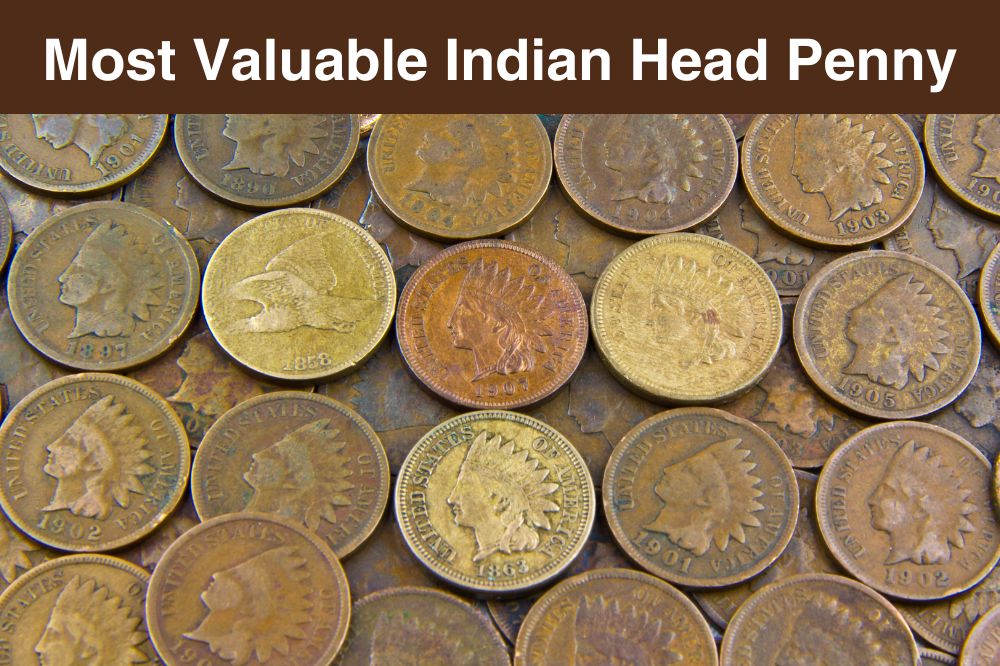
When Christopher Columbus first landed on the Caribbean Islands, he thought they were a new side of India, so he called them the West Indies. And when he reached North America, its residents seemed like a new type of ‘Red Indian’. The term is derogatory today, but Indian Head pennies are meant to honor them. So let’s discover the most valuable Indian Head Penny.
Rare Indian Head Penny Worth Money List (Quick Chart)
Indian Head Penny Year |
Indian Head Penny Errors Type |
Indian Head Penny Value |
| 1859 | Re-Punched Date Indian Head Penny | $6,600 |
| 1860 | proof Indian Head Penny | $650 |
| 1861 | proof Indian Head Penny | $850 |
| 1862 | Uncirculated Indian Head Penny | $75 |
| 1863 | Die Cap Indian Head Penny | $18,000 |
| 1864 | L Indian Head Penny | $375 |
| 1865 | Uncirculated Indian Head Penny | $65 |
| 1866 | Uncirculated Indian Head Penny | $250 |
| 1867 | Uncirculated Indian Head Penny | $275 |
| 1868 | Uncirculated Indian Head Penny | $220 |
| 1869 | Uncirculated Indian Head Penny | $550 |
| 1870 | Shallow N Indian Head Penny | $500 |
| 1871 | Shallow N Indian Head Penny | $650 |
| 1872 | Shallow N Indian Head Penny | $700 |
| 1873 | Closed 3 Indian Head Penny | $235 |
| 1874 | Uncirculated Indian Head Penny | $150 |
| 1875 | Uncirculated Indian Head Penny | $160 |
| 1876 | Uncirculated Indian Head Penny | $240 |
| 1877 | Strike-Through Indian Head Penny | $2,000 |
| 1878 | Uncirculated Indian Head Penny | $275 |
| 1879 | Uncirculated Indian Head Penny | $80 |
| 1880 | Uncirculated Indian Head Penny | $60 |
| 1881 | Uncirculated Indian Head Penny | $35 |
| 1882 | Uncirculated Indian Head Penny | $35 |
| 1883 | Uncirculated Indian Head Penny | $35 |
| 1884 | Uncirculated Indian Head Penny | $40 |
| 1885 | Uncirculated Indian Head Penny | $80 |
| 1886 | Type II Indian Head Penny | $220 |
| 1887 | Uncirculated Indian Head Penny | $28 |
| 1888 | Indian Penny 8/7 Overdate – FS-301 | $72,000 |
| 1889 | Misaligned Die Clash Indian Head Penny | $423 |
| 1890 | Double Strike Indian Head Penny | $2,000 |
| 1891 | Uncirculated Indian Head Penny | $30 |
| 1892 | Uncirculated Indian Head Penny | $30 |
| 1893 | Re-Punched Date Indian Head Penny | $1,200 |
| 1894 | Uncirculated Indian Head Penny | $70 |
| 1895 | Uncirculated Indian Head Penny | $25 |
| 1896 | proof Indian head penny | $12,000 |
| 1897 | Repunched Date Indian head penny | $30,000 |
| 1898 | Struck Off-Center Indian head penny | $1,500 |
| 1899 | Reverse Cud Indian Head Penny | $150 |
| 1900 | No Mint Mark Indian Head Penny, Repunched Date | $450 |
| 1901 | Double Struck Off-Center Indian Head Penny | $745 |
| 1902 | Off-Center Indian Head Penny | $800 |
| 1903 | RPD Indian Head Penny FS-303 And FS-304 | $1,425 |
| 1904 | Re-Punched Date Indian Head Penny | $550 |
| 1905 | Re-Punched Date Indian Head Penny | $396 |
| 1906 | Double Strike Flip-Over Indian Head Penny | $600 |
| 1907 | Misplaced Date Indian Head Penny | $250 |
| 1908 | Struck 20% Off-Center Indian Head Penny | $400 |
| 1909 | S Indian head penny | $97,750 |
Most Valuable Indian Head Penny Worth Money
1. 1909-S Indian Head Penny Regular Strike
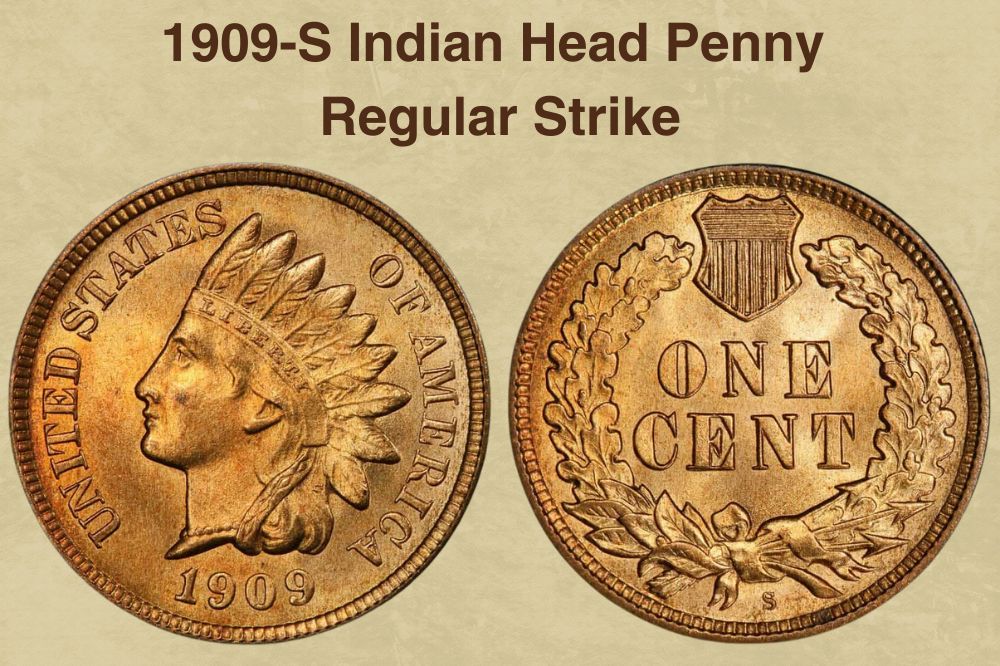
As we review some of the most valuable Indian Head pennies, we’ll rely on verified sales. But keep in mind that coin sales are seasonal. The price shifts according to rarity and demand. If you sell your coin during a historical milestone or anniversary year, you earn higher profits.
- Year: 1909
- Mint Mark: San Francisco
- Grade: MS 67 RD
- Date of Sale: 5th January 2006
- Price: $97,750
To help you understand the value of each coin, we’ll look at the history of the Indian Head Penny and some salient facts surrounding it. These include its designer, metal composition, origin, minting location, and even a little trivia about American currency in general. Enjoy!
Check 1909 Indian Head Penny History, Variety Price Chart & Errors List
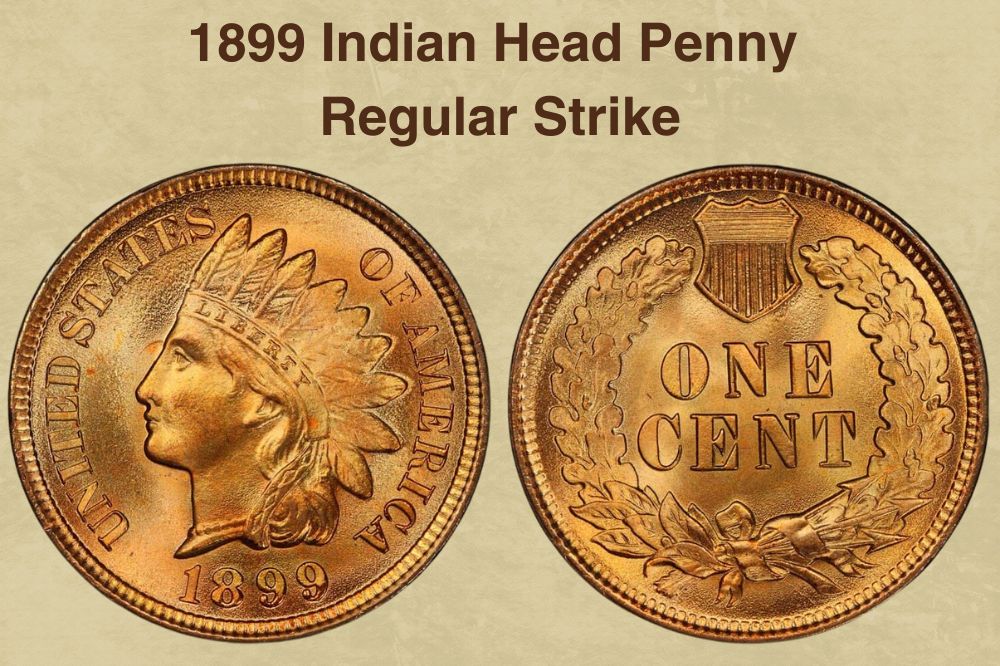
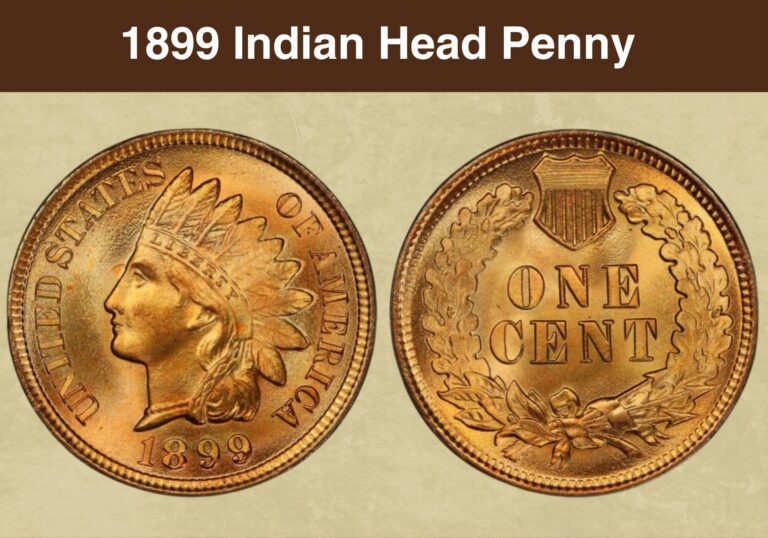
2. 1899 Indian Head Penny Regular Strike
Let’s start with a 101 on coin mintage. People who study coins, tokens, and medals are called numismatists and their field is numismatics. They refer to the front or heads side of a coin as its obverse and the tails side as its reverse. The thinnest sides of the coin are called the edges.
- Year: 1899
- Mint Mark: None (Philadelphia)
- Grade: MS 68 RD
- Date of Sale: 18th August 2019
- Price: $108,000
When coins are being made, a metal sheet is fed through a blanking machine and punched into discs called planchets. Sometimes, the edges of the coin might have ridges known as rims or collars. If the coin has no reeds, it’s smooth or plain. And some coins mix both styles.
Check 1899 Indian Head Penny History, Variety Price Chart & Errors List
3. 1900 Indian Head Penny Regular Strike
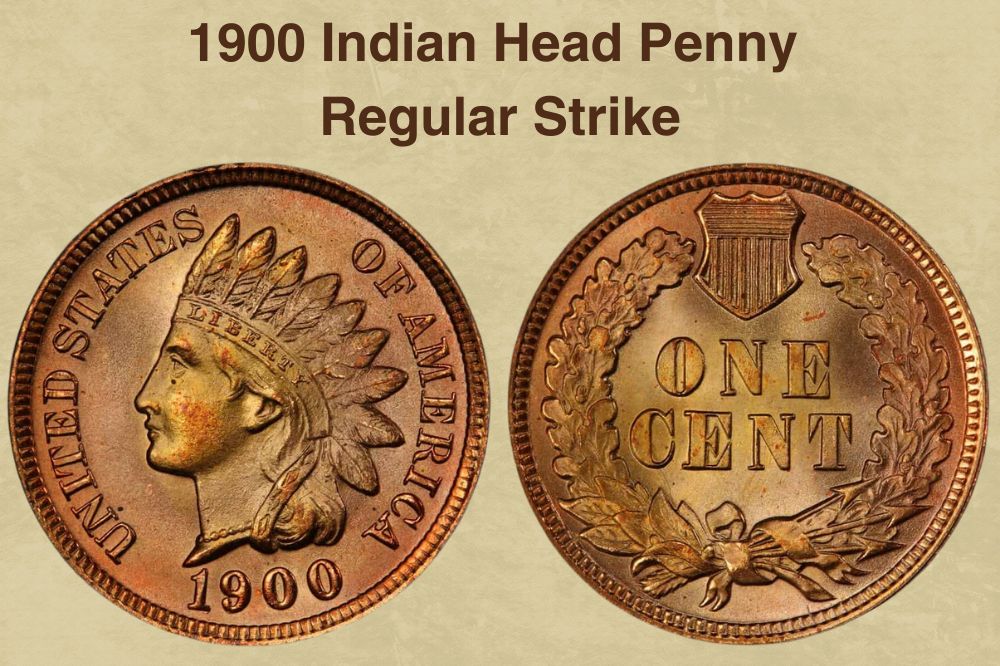
A coin often has words defined by law. These include the name of the country, the national quotation, or the title of the person depicted. These words are called legends or mottos. They are generally embossed on the front or back of the coin but occasionally appear on the edge.
- Year: 1900
- Mint Mark: None (Philadelphia)
- Grade: MS 67+ RD
- Date of Sale: 25th February 2021
- Price: $28,200
When this writing is placed on the coin edge, it’s called an edge inscription or edge lettering and it’s done using a Schuler Edge Incusion Machine. This was originally done on gold and silver coins aka specie metals. It was an anti-counterfeiting measure, which we’ll explain.
Check 1900 Indian Head Penny History, Variety Price Chart & Errors List
4. 1905 Indian Head Penny Proof
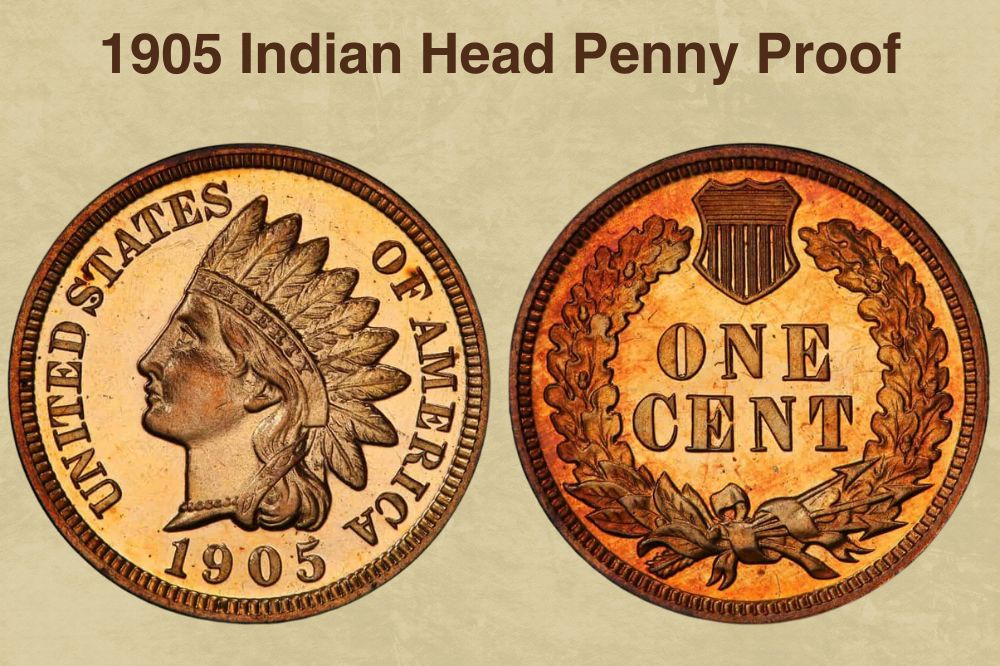
In the early years, the physical weight or melt value of a coin dictated its value. So a $1 gold coin had to be worth $1 in molten gold. Some people would get a coin and shave the sides to make it slightly smaller and lighter, which would reduce its value and cheat its recipients.
- Year: 1905
- Mint Mark: None (Philadelphia)
- Grade: PR 67 CAM
- Date of Sale: 31st July 2009
- Price: $23,000
The US Mint resolved this by adding edge letters. If you shaved them off, then anyone who received the coin would notice they were missing and realize the coin had been tampered with. This practice was eventually phased out once coins were switched to base metals.
Check 1905 Indian Head Penny History, Variety Price Chart & Errors List
5. 1859 Indian Head Penny Regular Strike
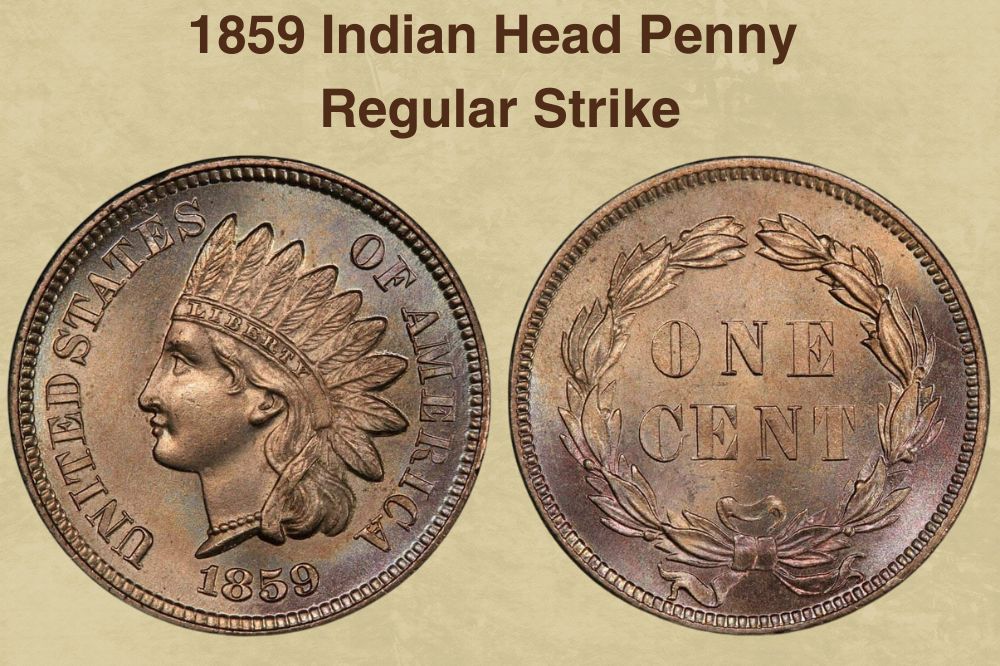
Let’s talk about the Indian Head Penny in particular. Curiously, it wasn’t a Native American at all! Instead, it was a lady wearing the headdress of an Indian Chief. Back then, American coins didn’t feature the images of presidents. It was a practice the Founding Fathers refuted.
- Year: 1859
- Mint Mark: None (Philadelphia)
- Grade: MS 66+
- Date of Sale: 2nd February 2012
- Price: $34,500
At the time, coins from other countries featured kings and queens. But some of our earliest leaders – particularly George Washington and Benjamin Franklin – considered this habit monarchical and undemocratic so they shot it down and weren’t featured in their lifetimes.
Check 1859 Indian Head Penny History, Variety Price Chart & Errors List
6. 1872 Indian Head Penny Regular Strike
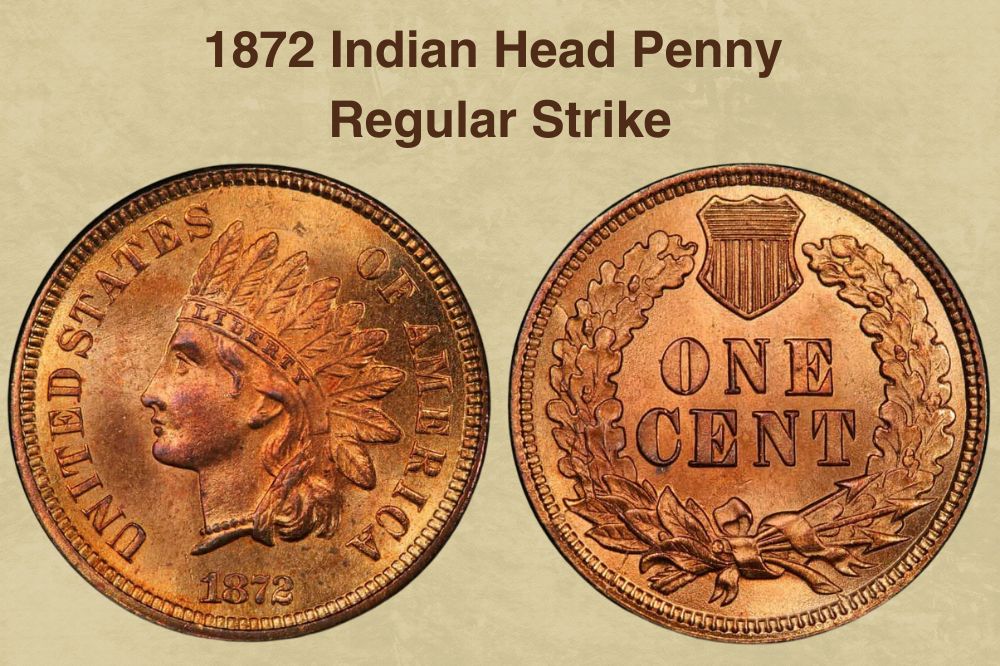
Instead, the Founding Fathers suggested a portrait that represented Lady Liberty as depicted on the Statue of Liberty. Sometimes, these images were symbolic and were based on ancient goddess statues. Later, the models were based on living American women who were known.
- Year: 1872
- Mint Mark: None (Philadelphia)
- Grade: MS 66 RD
- Date of Sale: 9th August 2007
- Price: $126,500
This was the case with the Indian Head Penny, which is thought to be based on Sarah, the daughter of the Chief Mint Engraver at the time. The story goes that she was 12 when her father sketched her and placed her likeness on the coin, but they both denied that anecdote.
Check 1872 Indian Head Penny History, Variety Price Chart & Errors List
7. 1864 Indian Head Penny L on Ribbon Proof
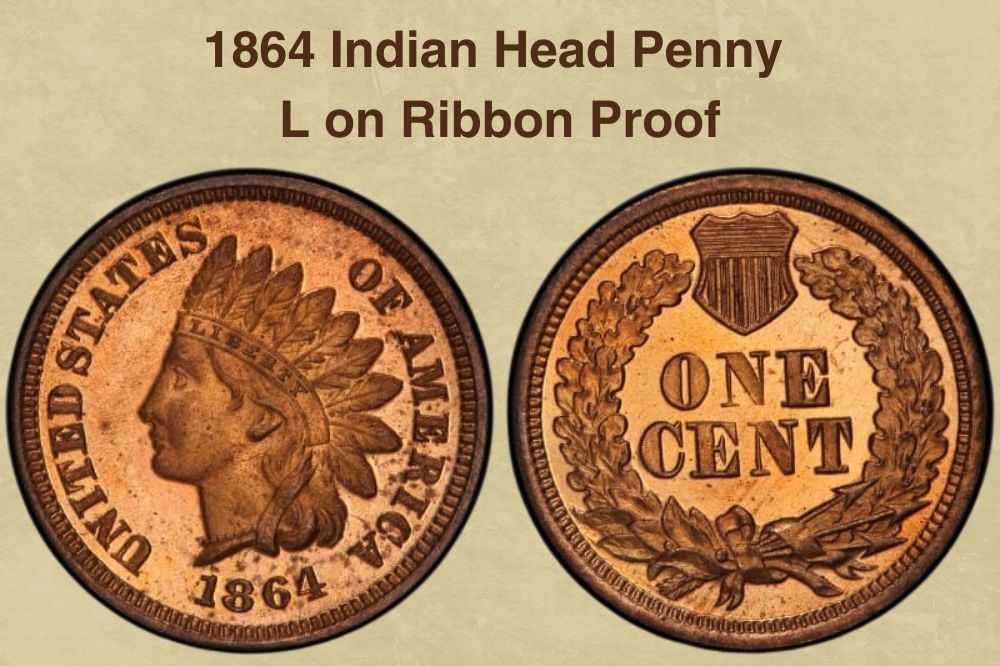
It’s a cute story, and people claimed Sarah had visited her dad’s office when some Native American leaders were around and tried on one of their headdresses. But the year the coin was designed, Sarah was already 30 years old and married with kids, so that’s inaccurate.
- Year: 1864
- Mint Mark: None (Philadelphia)
- Grade: PR 65 CAM
- Date of Sale: 27th April 2016
- Price: $152,750
Instead, when he was asked how he designed the coin, James B. Longacre said he got the idea from Crouching Venus, an Italian statue that belonged to the Vatican and was being displayed in Philadelphia at the time. Some of Sarah’s features inadvertently leaked into the portrait.
Check 1864 Indian Head Penny History, Variety Price Chart & Errors List
8. 1877 Indian Head Penny Regular Strike
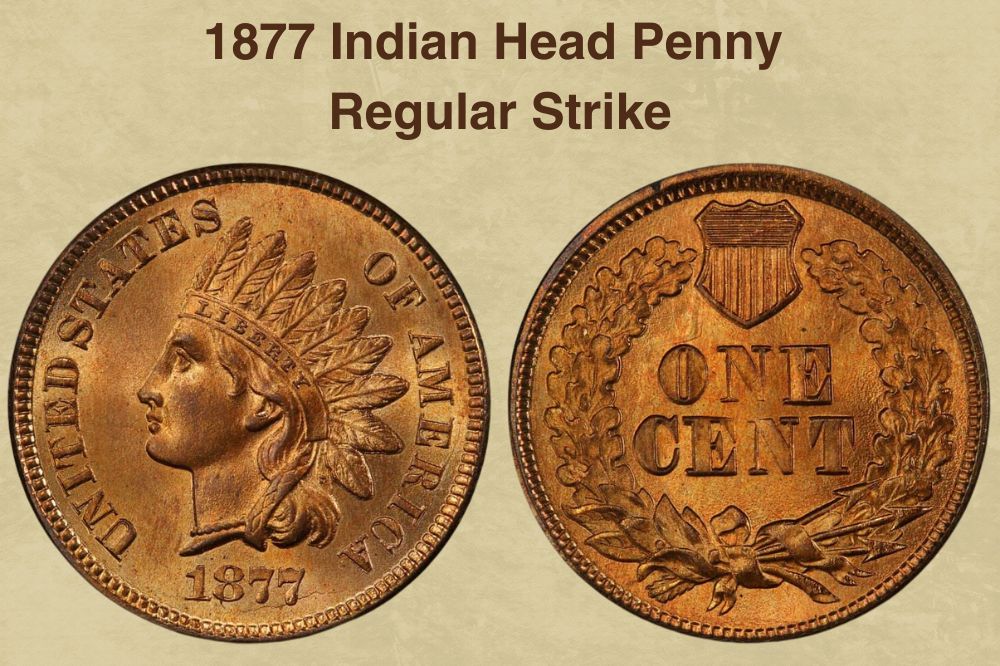
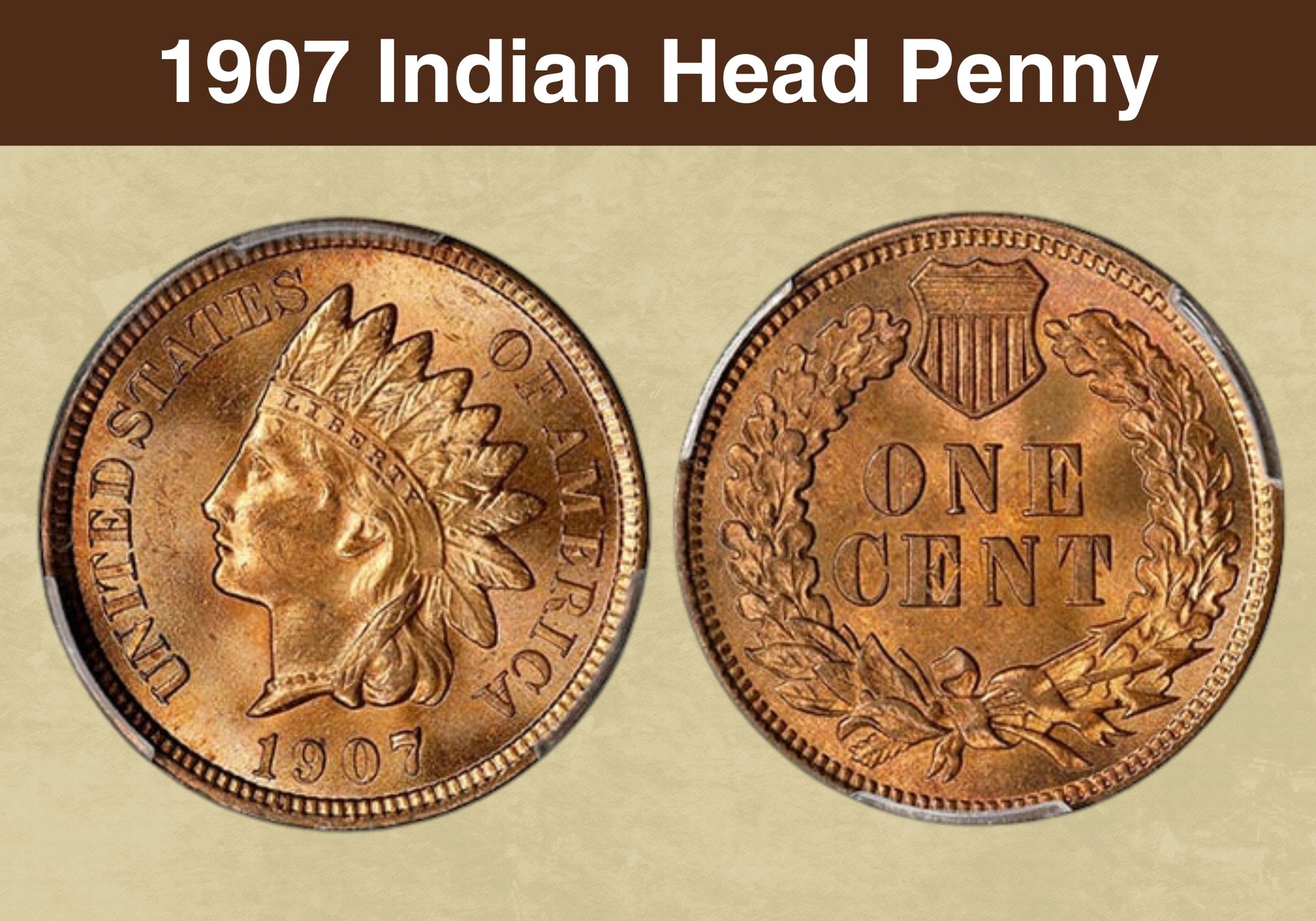
What did the coin itself look like? The Indian Head Penny showed a youthful Lady Liberty wearing a string of pearls on her neck and the Native American headdress. This feathered tiara – as some called it – was usually worn by male chiefs and elders so it was masculine.
- Year: 1877
- Mint Mark: None (Philadelphia)
- Grade: MS 66 RD
- Date of Sale: 9th August 2007
- Price: $149,500
In keeping with the constitutional requirements for the coin, the obverse had United States of America on the sides, the mint date at the bottom, and the legend Liberty on the headband of her tiara. Some coins had the initial L for Longacre hidden in the lower locks of her hair.
Check 1877 Indian Head Penny History, Variety Price Chart & Errors List
9. 1908-S Indian Head Penny Regular Strike
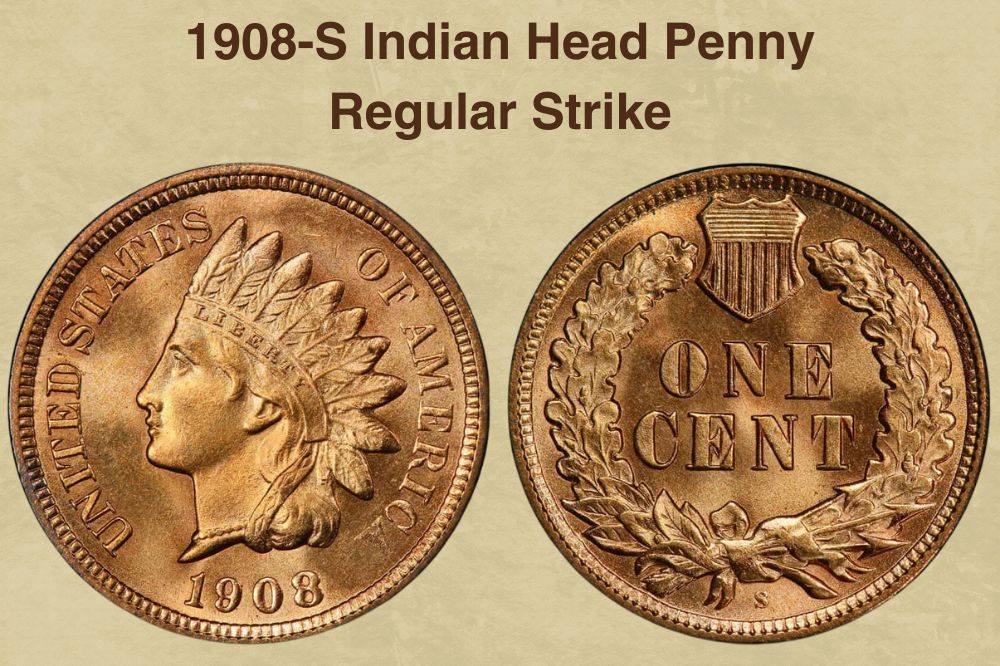
In 1858, the reverse (tails side) of the coin had a laurel wreath dotted with berries and tied with a ribbon at the bottom. In the middle of the wreath was the coin denomination, One Cent. We only call them pennies because we carried over the terms they used in Britain.
- Year: 1908
- Mint Mark: San Francisco
- Grade: MS 67 RD
- Date of Sale: 24th January 2021
- Price: $21,600
Then in 1859, the coin’s reverse design was changed. The laurel wreath was topped with an oak wreath that had a shield between its upper tips. At the bottom of the coin, three arrows were tied into the ribbon that linked the laurel sprigs to the base of the lower oak branches.
Check 1908 Indian Head Penny History, Variety Price Chart & Errors List
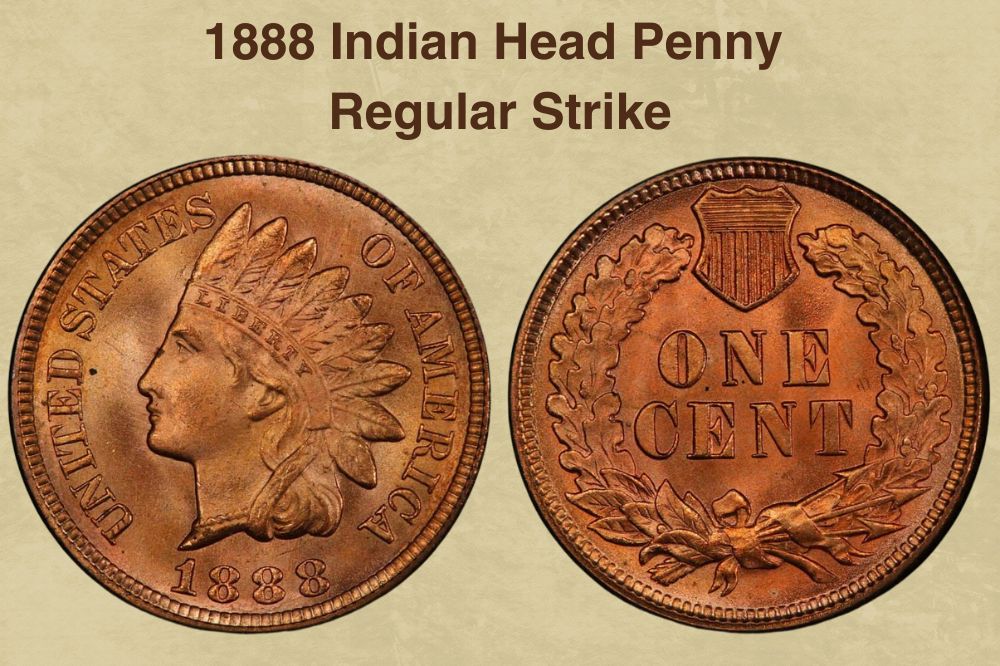
10. 1888 Indian Head Penny Regular Strike
To explain, before 1971, one British Penny was 1/240 of a Sterling Pound. And the plural of penny is pence. As a former British colony, we once used their money. But when we started minting our own American currency, we used dollars and cents, where 100 cents equaled $1.
- Year: 1888
- Mint Mark: None (San Francisco)
- Grade: MS 67 RD
- Date of Sale: January 7th 2008
- Price: $63,250
In 1971, the UK switched to the decimal system, making 100 pence equivalent to £1. But even today, we still call our 1c coin a penny instead of its proper name, One Cent, which appears on its reverse. Old habits die hard! A penny isn’t worth much now, but we’re quite attached.
Check 1888 Indian Head Penny History, Variety Price Chart & Errors List
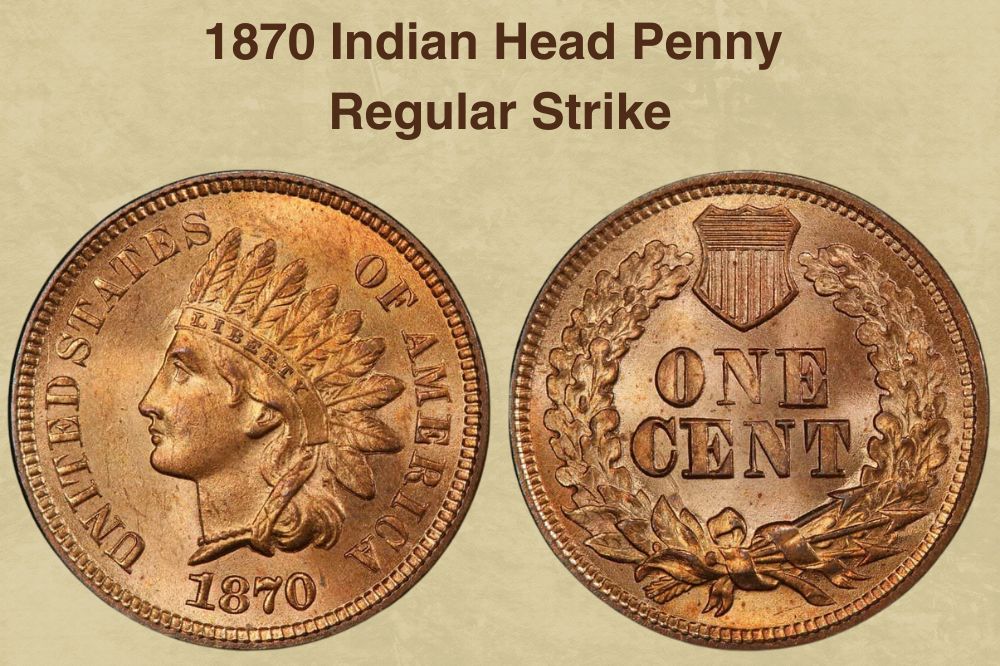
11. 1870 Indian Head Penny Regular Strike
Several times, Congress has introduced bills and debates to phase it out because it’s no longer valuable and makes little financial sense. But so far, it has resisted all attempts to kill it. That said, old coins like the Indian Head Penny still fetch a lot in the secondary market.
- Year: 1870
- Mint Mark: None (Philadelphia)
- Grade: MS 66+ RD
- Date of Sale: 26th March 2020
- Price: $25,850
The Indian Head Penny was the second series of small cents. For reference, the earliest 1c coins were 28.57mm in diameter (1 and 1/8 inch). They were mostly copper, so when metal prices rose, their melt value became higher than their face value, so people hoarded coins.
Check 1870 Indian Head Penny History, Variety Price Chart & Errors List
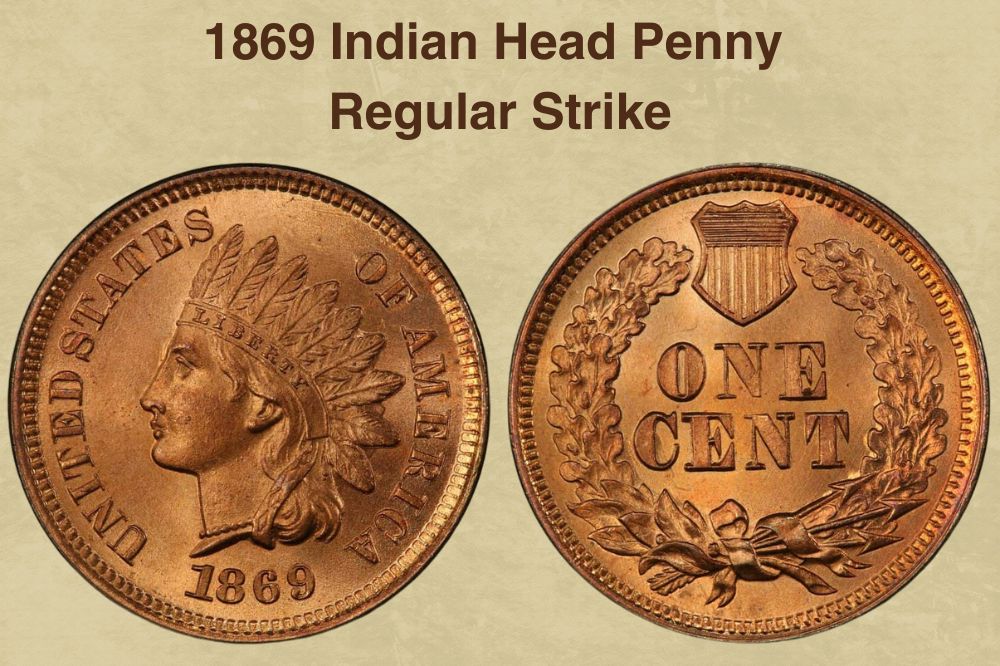
12. 1869 Indian Head Penny Regular Strike
If you melted the coin, it would be worth more than 1c so people preferred to sell the molten form. The mint responded by reducing the coin size to 19.05mm to make its copper content match its face value. They also added other base metals so they could use less copper to mint.
- Year: 1869
- Mint Mark: None (Philadelphia)
- Grade: MS 66+ RD
- Date of Sale: 18th August 2019
- Price: $84,000
The base metals that were mixed into the Indian Head Penny were 12% nickel from 1859 to 1864 and a 5% combination of tin and zinc from 1864 to 1909. This meant coins had varying shades of red as they aged, so they were graded as R (red), RB (red-brown), or B (brown).
Check 1869 Indian Head Penny History, Variety Price Chart & Errors List
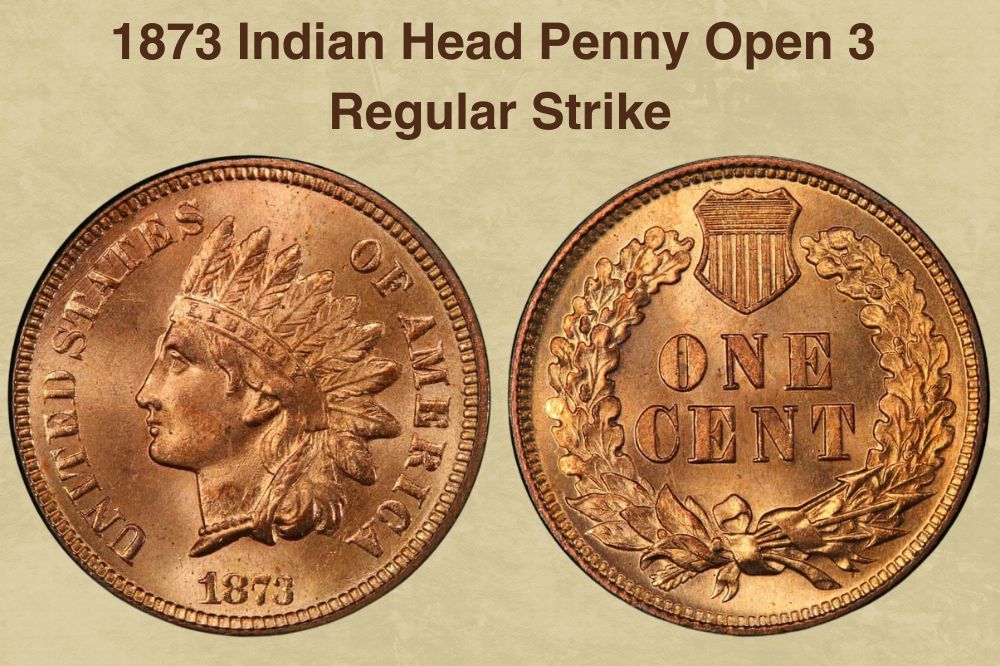
13. 1873 Indian Head Penny Open 3 Regular Strike
Curiously, it was the 1850s Gold Rush that spiked the price of copper. Before then, gold was rare so gold coins were highly prized and copper coins had much less value. But when gold became common, its melt value reduced and you could buy less copper for the same amount.
- Year: 1873
- Mint Mark: None (Philadelphia)
- Grade: MS 66 RD
- Date of Sale: 9th August 2007
- Price: $54,625
Eventually, America dropped the gold standard and copper prices came down. When the same cycle happened with silver, we stopped using it in coins as well. Today, American coins are a mixture of copper, nickel, and sometimes zinc, with the top coat dictating the color.
Check 1873 Indian Head Penny History, Variety Price Chart & Errors List
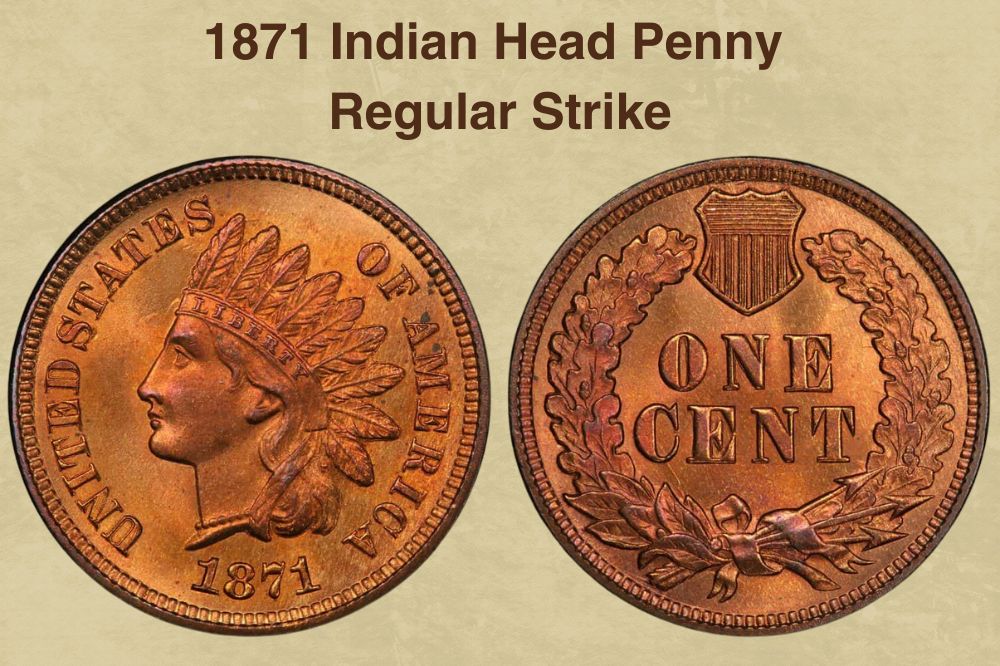
14. 1871 Indian Head Penny Regular Strike
In another curious turn, it’s a hoarding problem that caused the switch from nickel to bronze in 1864. At the time, the Civil War was in full force, and nickel was a crucial component for military use. So people started hoarding those 12% pennies that were known as White Cents.
- Year: 1871
- Mint Mark: None (Philadelphia)
- Grade: MS 66 RD
- Date of Sale: 5th January 2006
- Price: $60,375
The nickname came from the whitish tinge on coins laced with nickel. They were also known as Nicks. Also, for a long time, pennies were the Mint’s most profitable coin. The low price of base metals maximized seignorage (the difference between production cost and face value).
Check 1871 Indian Head Penny History, Variety Price Chart & Errors List
15. 1894 Indian Head Penny Proof CAC
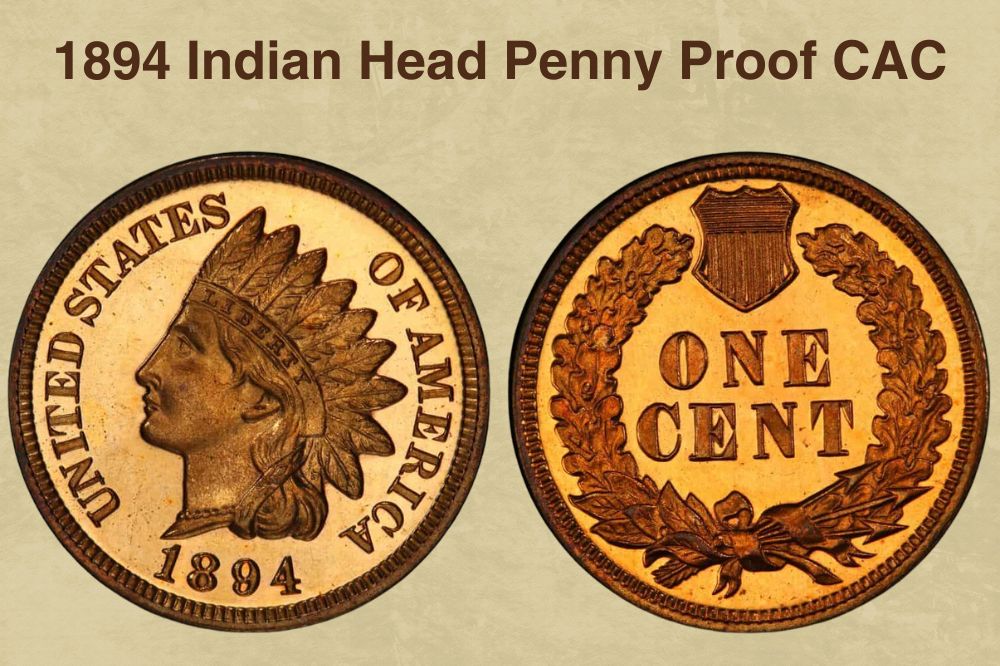
Indian Head Pennies were coined in Philadelphia and San Francisco. Philadelphia coins had no mint mark but San Francisco coins (1908 and 1909) had the S mint mark on the back of the coin. The mint mark sat directly below the ribbon that held the arrows, tying the wreath.
- Year: 1894
- Mint Mark: None (Philadelphia)
- Grade: PR 66 CAM CAC
- Date of Sale: 1st September 2013
- Price: $18,800
The coin had a plain edge without reeds, but it had denticles on its front and rear surfaces. The coin was minted until 1909 when it was replaced by the Lincoln Penny. This new coin marked the 100th anniversary of Abraham Lincoln’s birth, and it’s the 1c we still use today.
Check 1894 Indian Head Penny History, Variety Price Chart & Errors List
16. 1897 Indian Head Penny Proof
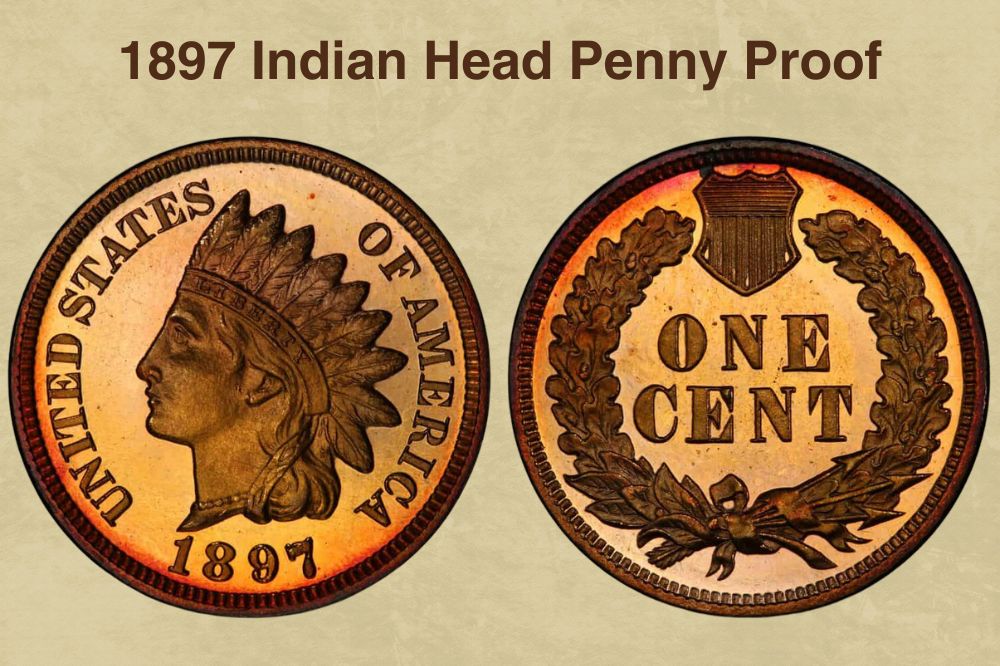
We started this article by mentioning Christopher Columbus. But did you know Longacre (the Chief Mint Engraver who designed the coin) almost used Columbus on the penny? His boss, Mint Director James Snowden, thought it was a good idea, but Longacre shot it down.
- Year: 1897
- Mint Mark: None (Philadelphia)
- Grade: PR 67+ DCAM
- Date of Sale: 31st March 2021
- Price: $108,000
He realized, rightly, that the public would reject a Columbus coin. And while the sentiment around Native Americans was shaky, placing an ‘Indian Tiara’ on an American girl solved the problem and calmed the conscience of many citizens. It was seen as a generous compromise.
Check 1897 Indian Head Penny History, Variety Price Chart & Errors List
17. 1882 Indian Head Penny Regular Strike
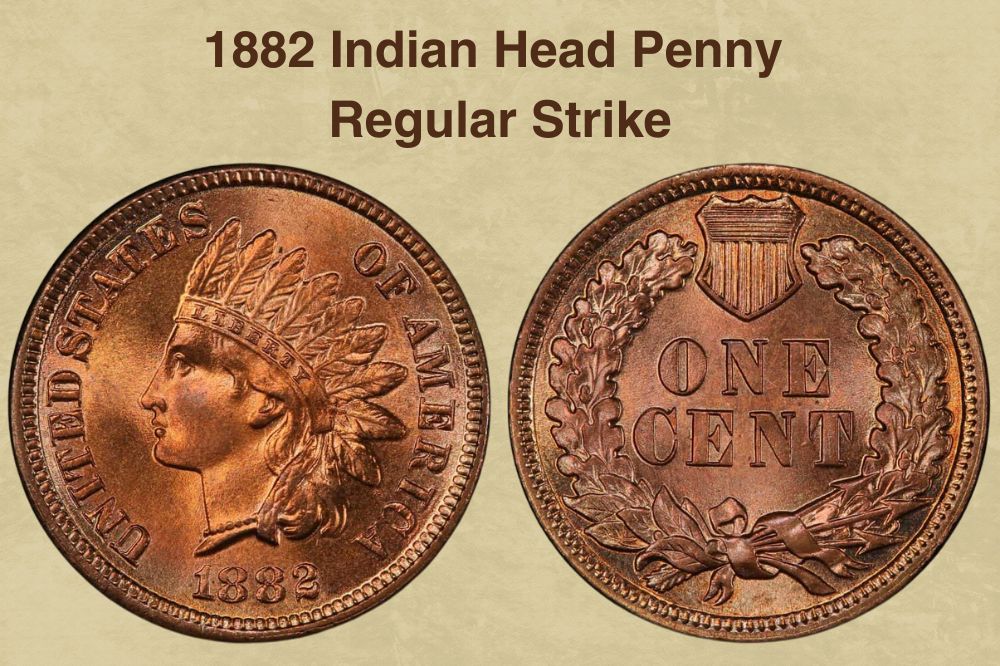
While Indian Head Cents all had the same diameter, their weight was dictated by their metal content. The White Nicks (with 12% nickel) were 4.67g while the bronze pennies (5% tin and zinc) were 3.11g. In comparison, today’s 2.5% copper-plated zinc Lincoln Pennies weigh 2.5g.
- Year: 1882
- Mint Mark: None (Philadelphia)
- Grade: MS 67 RD
- Date of Sale: 28th July 2005
- Price: $35,938
But although today’s pennies have so little copper and are 97.5% zinc, the melt value of metal has messed with seignorage. In 2023, it costs 2 cents to mint a 1c coin – a loss of 200%. But due to our sentimental attachment to this coin, it continues to be minted as the Shield Cent.
Check 1882 Indian Head Penny History, Variety Price Chart & Errors List

I have 1896 Indian head penny. I have a United States of America with the eagle in the middle of the coin silver and gold in the middle $5 1998. I have silver and gold the same way of the $5 coin2014whit the $1.