Coin Value Contents Table
- 1946 Wheat penny Value Chart
- History of the 1946 Wheat Penny
- 1946 Wheat penny Types
- Features of the 1946 Lincoln Wheat Penny
- 1946 Lincoln Wheat Penny Grading
- 1946 Lincoln Wheat Penny Value Guides
- 1946 No Mint Mark Wheat penny Value
- 1946 D Wheat penny Value
- 1946 S Wheat penny Value
- Rare 1946 Lincoln Wheat Penny Error List
- Where to Sell Your 1946 Penny ?
- FAQ about the 1946 Lincoln Wheat Penny
The 1946 wheat penny value is pretty moderate since these coins’ mintage was high, making them abundant on the market. However, these lovely, the first post-war American cents are available and desirable as a part of the series.
The interesting thing about these coins is that they are in a group of so-called shell case cents minted from 1944 to 1946. That makes them a valuable and inspiring part of American coinage history.
1946 Wheat penny Value Chart |
||||
| Condition | 1946 No Mint mark penny | 1946 D penny | 1946 S penny | 1946 S penny S Over D |
| Good | / | / | / | $11 |
| Very good | / | / | / | $17 |
| Fine | $0.06 | $0.06 | $0.11 | $28 |
| Very fine | $0.11 | $0.11 | $0.17 | $40 |
| Extra fine | $0.23 | $0.23 | $0.23 | $85 |
| AU | $0.40 | $0.40 | $0.40 | $144 |
| MS 60 | $0.69 | $0.69 | $0.69 | $262 |
| MS 63 | $2.33 | $2.33 | $2.33 | $465 |
History of the 1946 Wheat Penny
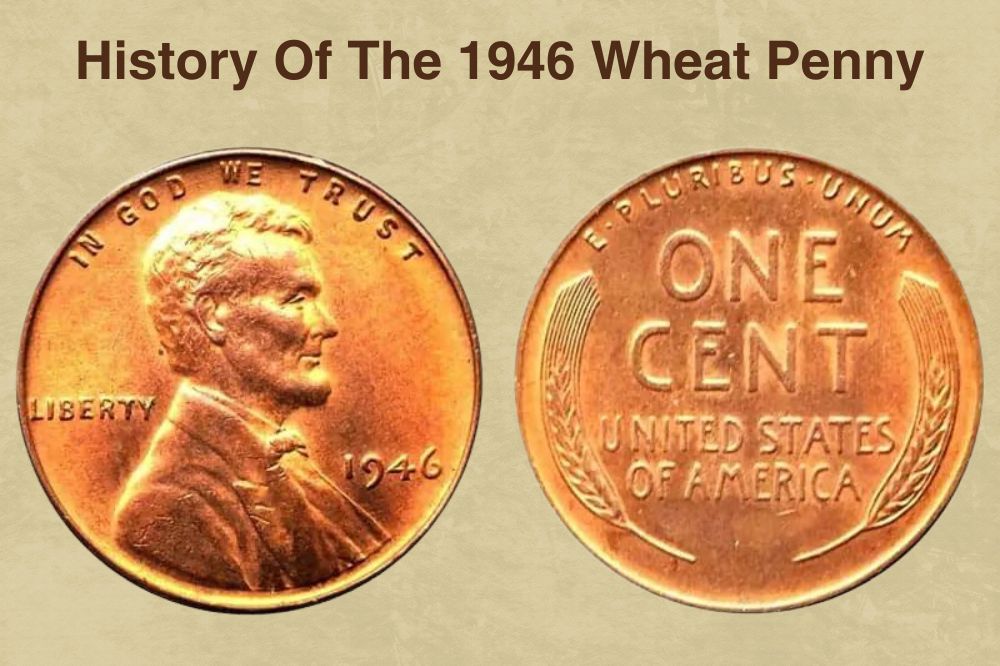
One cent (1 ¢) is the lowest-value American currency since the US Mint stopped producing half-cents in 1857. Despite their official name, you can often hear Americans call this one-hundredth of a US dollar a penny, based on the eponymous British coins.
The first cents appeared in 1793. The US Mint was producing these sizable coins, so-called LARGE CENTS, by 1857 in seven designs. Their dimension was similar to the current US dollar, with a diameter of 1.06299 and 1.14173 inches (27 and 29 mm).
Since 1856, all cents have been considered small, with a diameter of 0.75 inches (19.05 mm). Besides Flying Eagle minted in only two years, the US Mint produced only Indian Head cents before Lincoln pennies appeared in 1909.
1946 Wheat penny Types |
||
| Location | Year | Minted |
| Philadelphia | 1946 No Mint mark penny | 991,655,000 |
| San Francisco | 1946 S penny | 198,100,000 |
| Denver | 1946 D penny | 315,690,000 |
| Total | / | 1,505,445,000 |
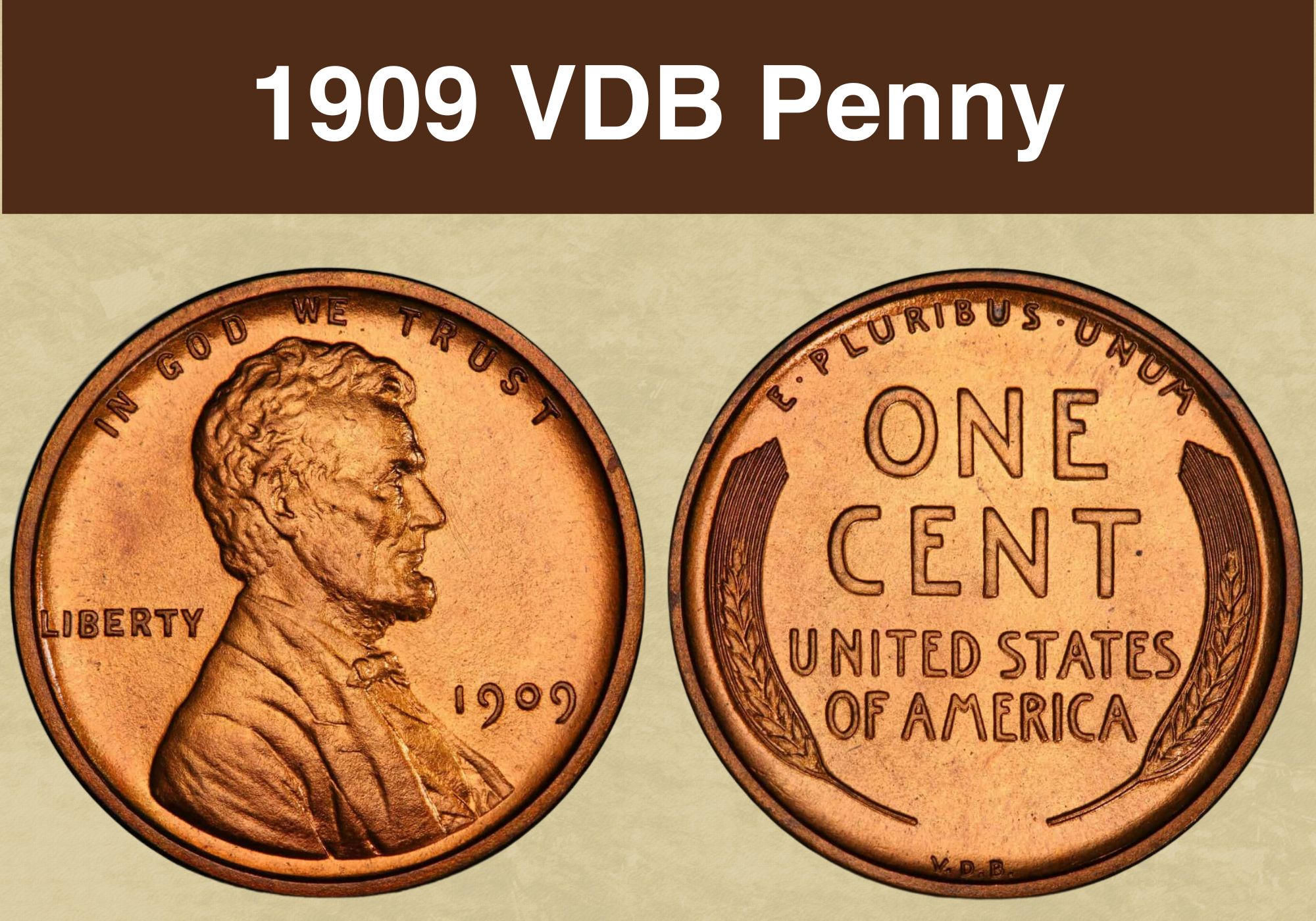
Wheat penny minting started in 1909 to honor Abraham Lincoln and his 100th birthday. These coins’ production lasted until 1959, when the new Memorial cents replaced them.
The Lincoln Bicentennial 4 reverse designs were minted in 2009 to commemorate the 200th Lincoln’s birthday anniversary. Then, the new Lincoln Union Shield cents appeared in 2010, and their production has lasted until now.
Interestingly, only the penny reverse changed over time. On the other hand, the President’s bust depicted on the obverse remained unchanged.
Also read: 12 Most Valuable Lincoln Penny Worth Money
Features of the 1946 Lincoln Wheat Penny
Lithuanian sculptor Victor D. Brenner created one of the favorite American coins and the one with the lowest denomination among the American coinage. The US Mint started Lincoln cents’ production in 1909 and has still minted them with a few changes in the reverse design.
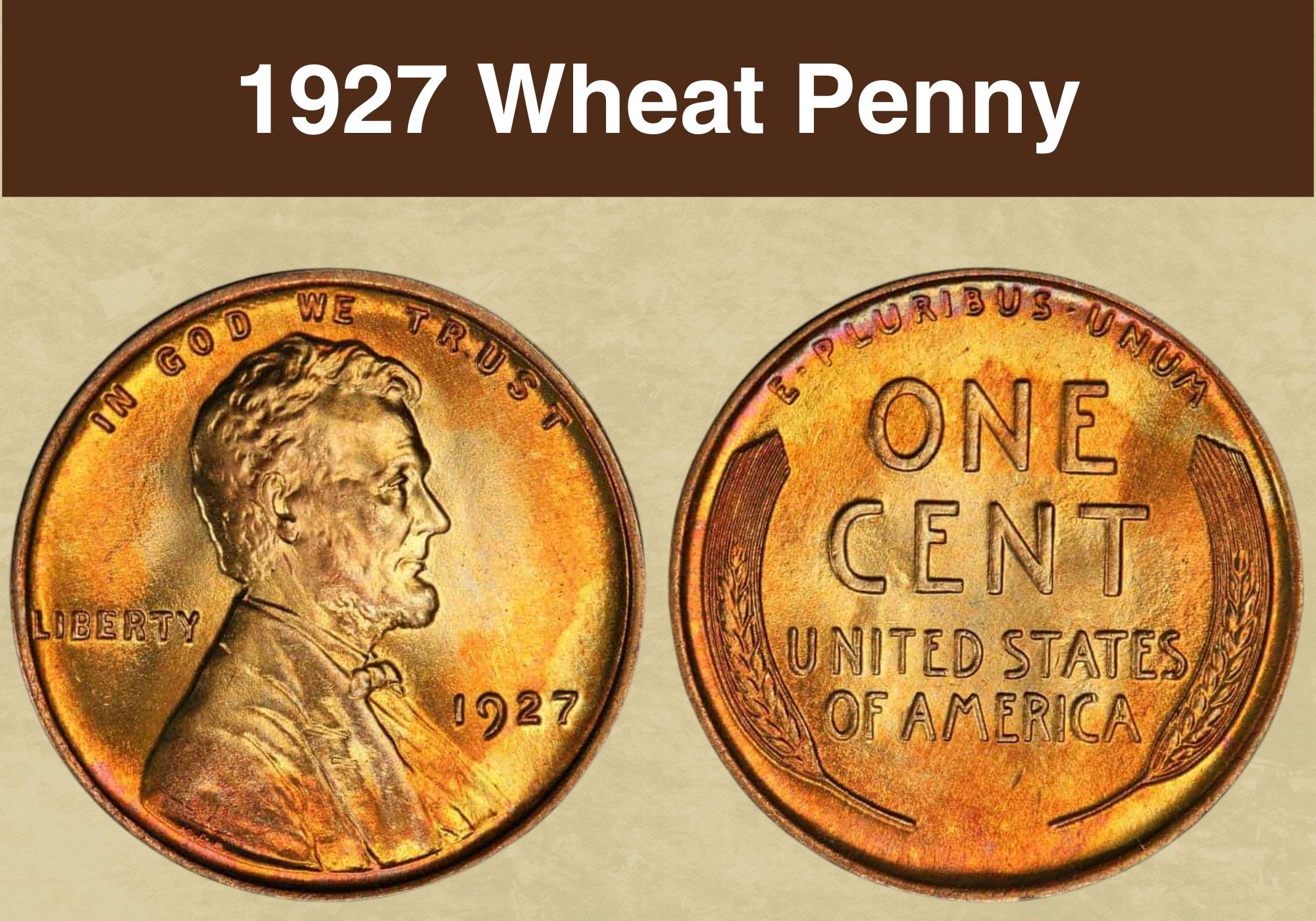
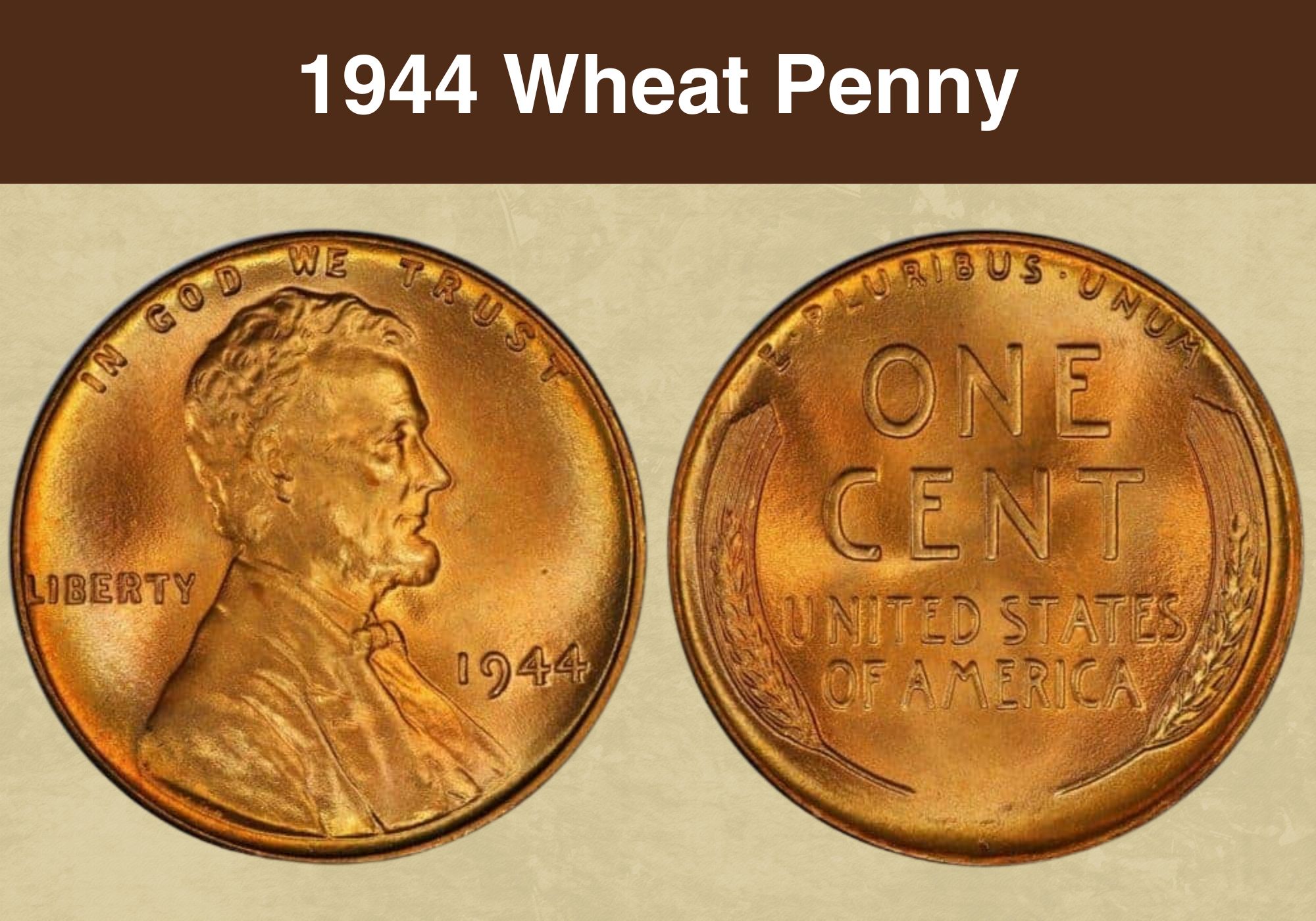
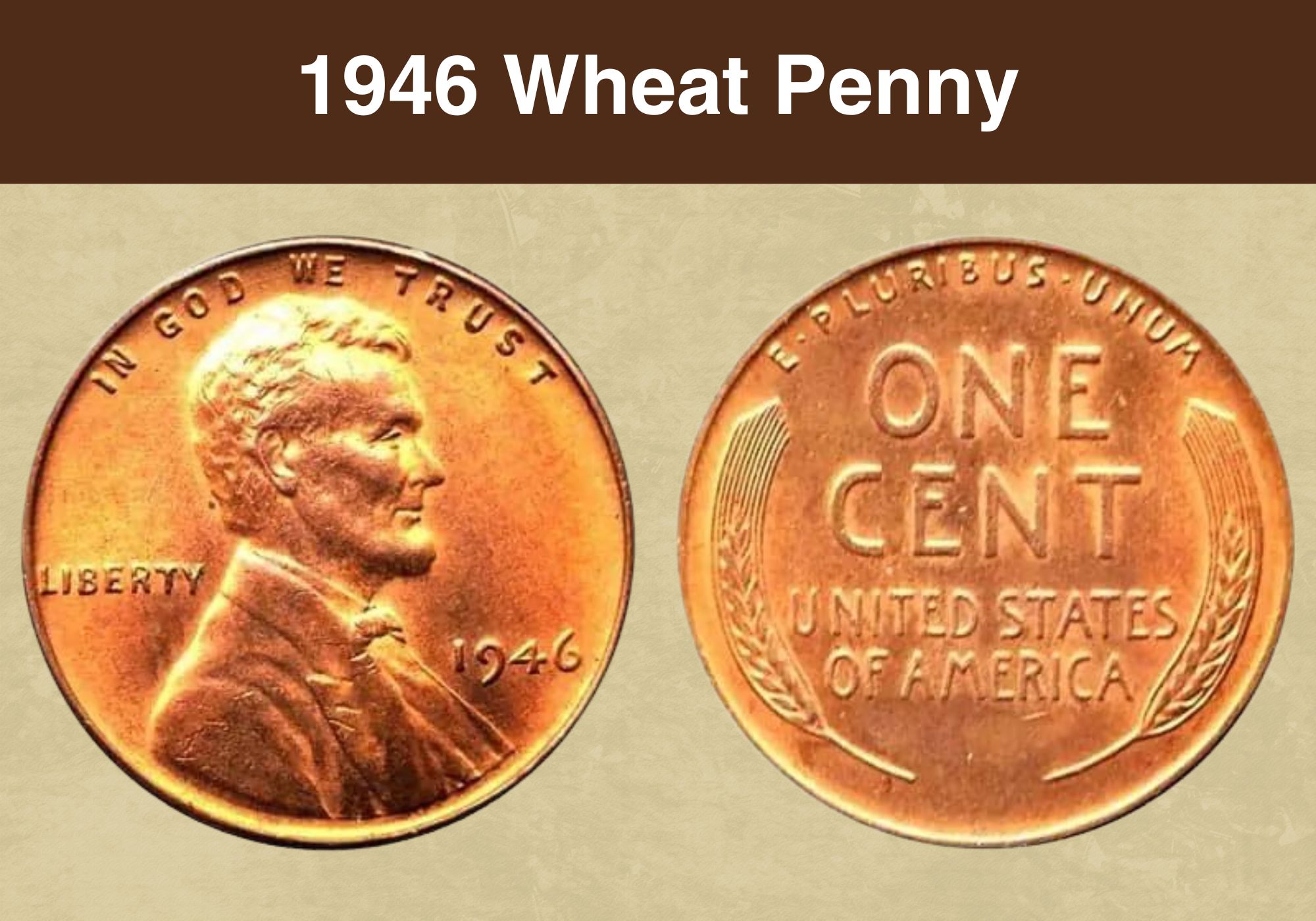
The obverse of the 1946 Lincoln Wheat penny
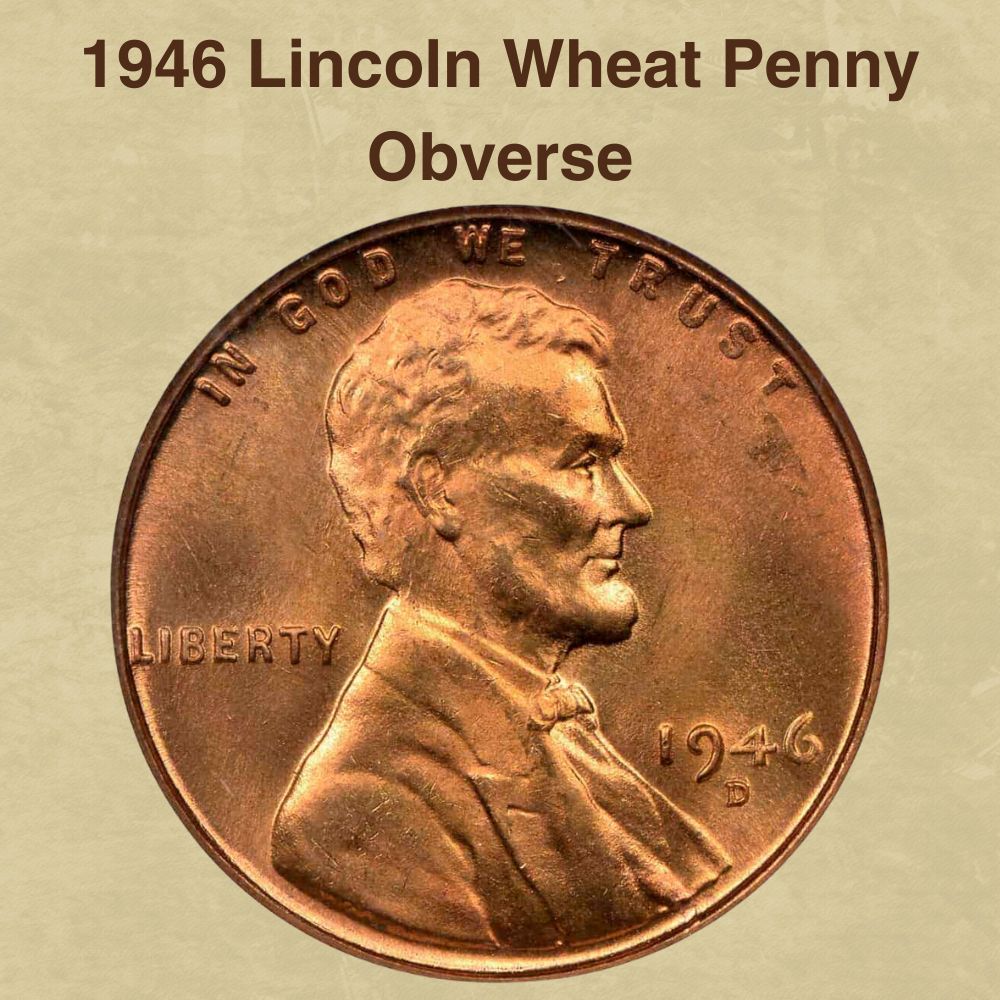
Unlike the reverse design that was changed every 50 years in honor of Lincoln’s birthday anniversary, the obverse is still the same. The center of the plain-edge coin shows President Lincoln looking to the right.
Standard inscriptions include mottos and words symbolically crucial to Americans. Besides, they are required by law so that you can see:
- IN GOD WE TRUST on the top
- LIBERTY behind the 16th President’s back
- 1946 in front of Lincoln’s chest
Finally, the designer’s initials VDB are discreetly placed under the shoulder truncation. Most cents have the blank area under the date, but pieces from two of three mints have the mint mark there, including:
- The letter D (it shows this coin was struck in Denver)
- The letter S (it shows this coin was struck in San Francisco)
The reverse of the 1946 Lincoln Wheat penny
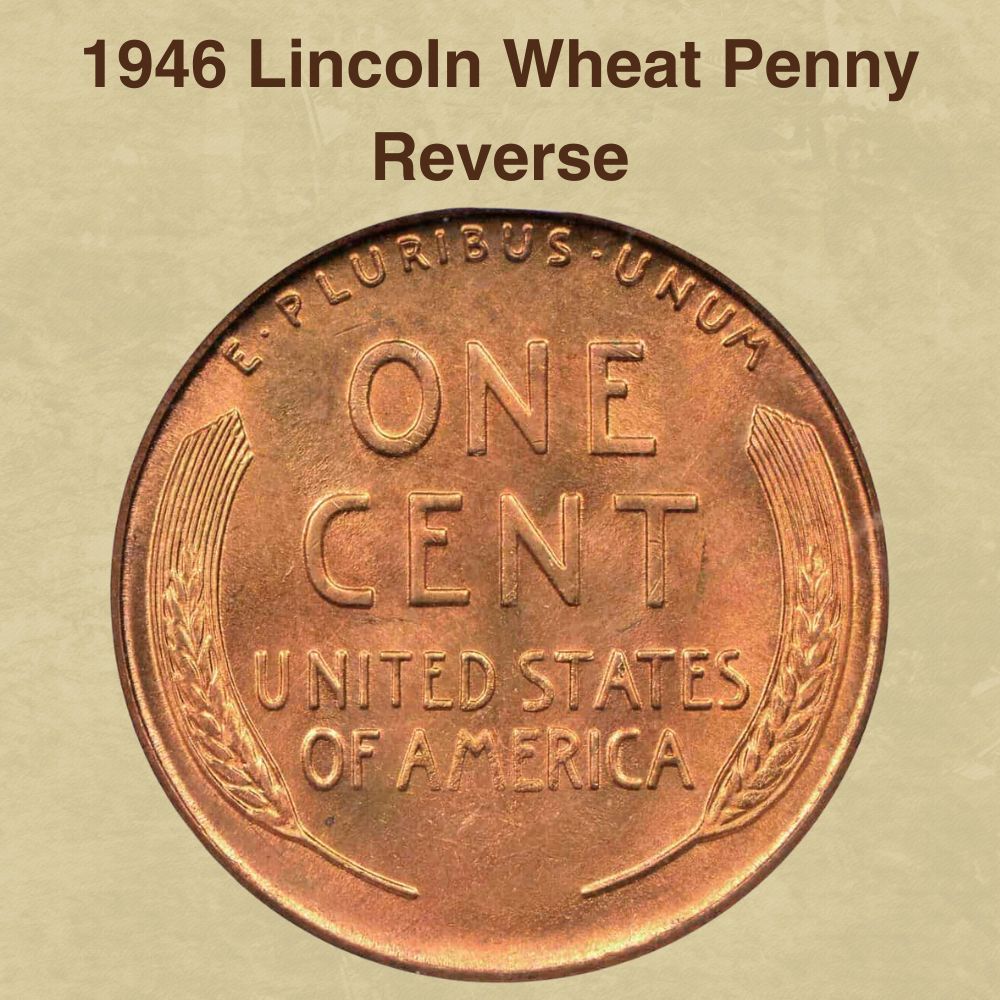
Like all pennies minted from 1909 to 1958, the 1946 Wheat penny had two wheat stalks along the left and right rim part. Unlike the standard obverse, the reverse design lasted only half a century. It showed E · PLURIBUS · UNUM on the top, while the coin center included:
- ONE
- CENT
- UNITED STATES
- OF AMERICA
These inscriptions were placed between wheat ears in four lines and were struck in different letter sizes.
1946 Wheat penny Details |
|
| Face value | One cent ($0.01) |
| Shape | Round |
| Compound | An alloy of 95% copper with zinc or tin |
| Coin thickness | 0.03937 inches (1 mm) |
| Coin diameter | 1.75 inches (19.05 mm) |
| Coin weight | 0.10970 ounces (3.11 g) |
| Edge | Plain |
Other features of the 1946 Lincoln Wheat penny
Besides half-cents minted from 1793 to 1857, pennies are the lowest US coinage denomination. One-cent copper coins minted in 1946 weigh 0.10970 ounces (3.11 g). Their diameter is 1.75 inches (19.05 mm), while their thickness is precisely 0.03937 inches (1 mm).
Also read: 13 Most Valuable Wheat Penny Worth Money
1946 Lincoln Wheat Penny Grading
Since 1946 Wheat cents were minted almost 80 years ago, their condition can significantly vary. The system of their grading includes non-collectible and collectible circulated cents. At the same time, those in uncirculated condition are marked MS. Their quality is described in grade range from 60 to 70, with the coin being more valuable the higher the grade.
| # | Grade |
|---|---|
| 1 | Basal State-1 |
| 2 | Fair |
| 3 | Very Fair |
| 4, 5, 6 | Good |
| 7, 8, 10 | Very Good |
| 12, 15 | Fine |
| 20, 30 | Very Fine |
| 40 | Extremely Fine |
| 50 | About Uncirculated |
| 60 | Mint State |
| 65 | Mint State |
| 70 | Mint State |
Please check our grading guides to know your coin scale, It’s the necessary step to know the exact value of your coin.
Check out now: How to Grade Lincoln Wheat Penny?
1946 Lincoln Wheat Penny Value Guides
The US Mint had a high cent mintage in 1946, producing 1,505,445,000 Lincoln Wheat pennies in three mints. Be prepared that no proofs were minted this year since their production was canceled in 1942. The first coins intended for collectors appeared again in 1950.
1946 No Mint Mark Wheat penny Value
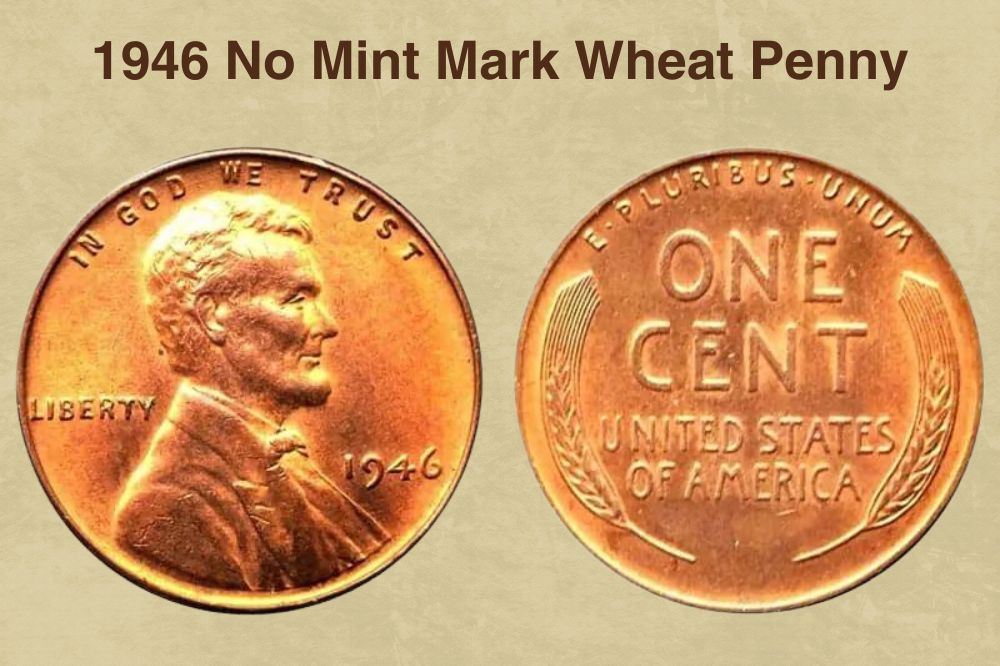
With 991,655,000 No Mint mark pennies minted in 1946, the Philadelphia mint released the highest number of these coins into circulation. You can recognize three varieties based on their color.
The priciest are red specimens. Even though most cost only $0.55 to $85 in lower mint state grades, the best-preserved cents are estimated at $515 to $600. However, one collector purchased one such coin for $14,950 in 2006.
Red-brown specimens have more modest prices, ranging from $0.35 to $55. However, one in MS 64 grade reached $135 on eBay in 2019. The least appreciated are brown-colored cents, typically costing $0.25 to $45. Only rare exceptions are worth more, like one 1946 MS 67 Lincoln cent sold at $736.
1946 D Wheat penny Value
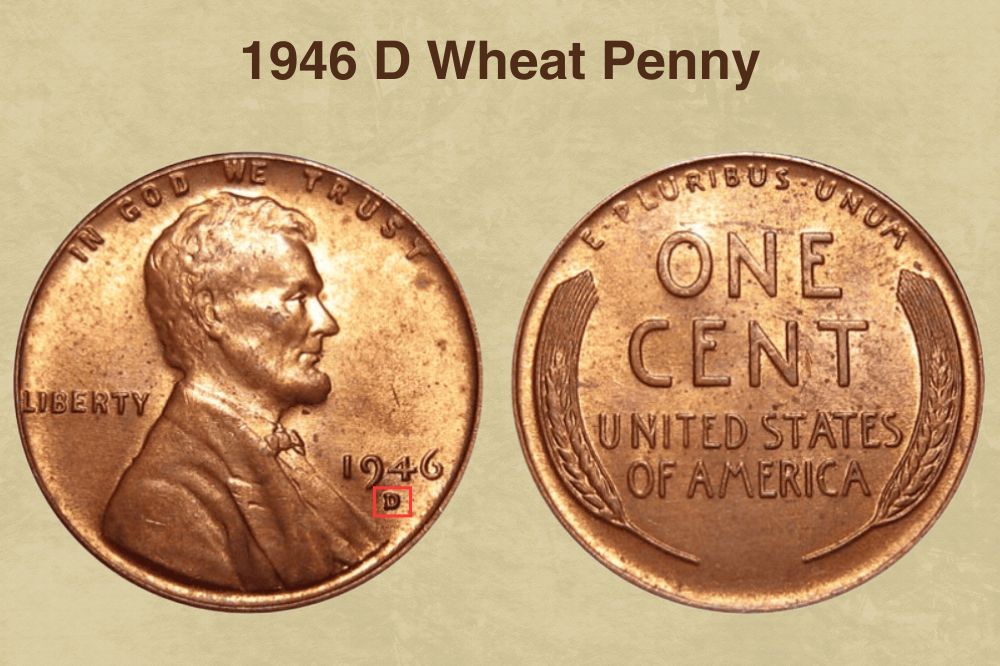
The Denver mint released 315,690,000 pennies in 1946, and you can still find those in the mint state. Like all other coins, their prices depend on condition, but you also need to pay attention to their color.
The least collectible is brown pieces, with an average price range from $0.55 to $45. Only rare specimens with this feature are more valuable. The best example is the 1946 D AU 50 Lincoln Wheat brown cent. Despite a low rank and unattractive toning, it was sold at $470, winning the auction record.
Collectors appreciate red-brown pennies more, and their assessed price range is a bit higher, from $0.65 to $55. In rare cases, you should pay more for such a coin. For instance, the 1946 D MS 67 red-brown cent won a record price of $145 in 2021.
As expected, red-toning cents are the most collectible and valuable. It is necessary to set aside about $0.85 to $162 per piece, depending on its condition. The most expensive penny with the D mint mark is the one in 67+ grade, bought for $2,585 in 2014.
1946 S Wheat penny Value
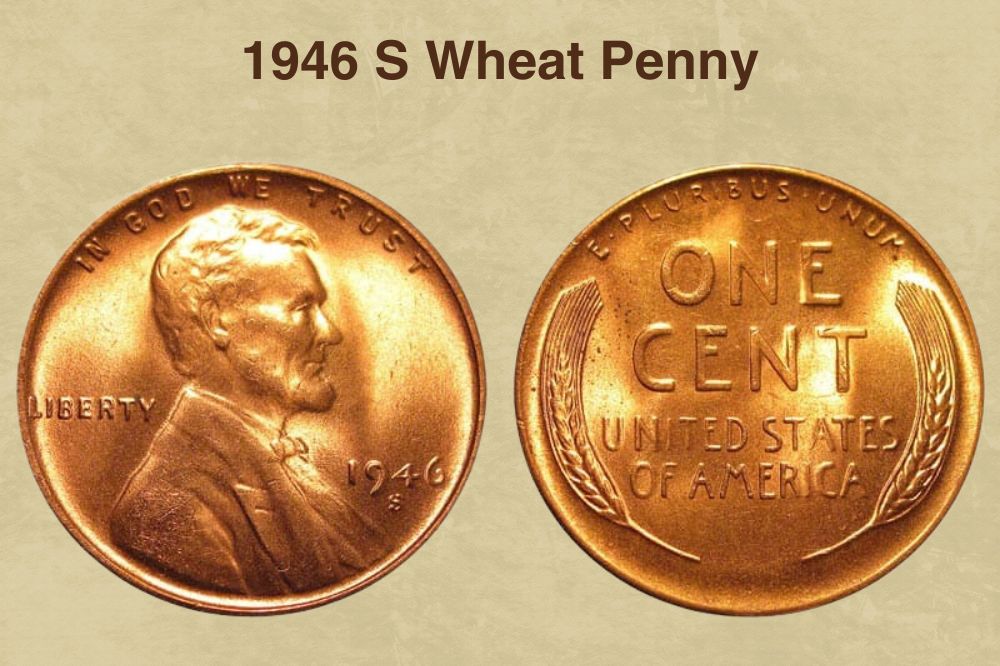
Typically, the mint in San Francisco released the lowest number of 1946 pennies, 198,100,000. However, this number was still high, so you can expect to pay a modest $0.55 to $47 for brown coins. The costliest was the one in 67 grade that reached a record price of $135 at an auction.
Red-brown pennies are more collectible, so collectors are prepared to pay at least $0.65 for those in MS 63 grade. More quality pieces are estimated at $1 to $57, while the most expensive 1946 S RB cent was paid $204.
The only surprise can be red-colored pennies minted in 1946. While their standard price range is from $0.85 to $174, one of these coins is the most expensive in the set. One collector bought the 1946 S MS 67+ cent for $16,800 in 2022.
Also read: 17 Most Valuable Indian Head Penny Worth Money
Rare 1946 Lincoln Wheat Penny Error List
Like pennies minted in other years, those with the 1946 minting year sometimes come with more or less expressed errors on the surface. While most are insignificant and of low value, some rare imperfect types can make these coins pricey.
S over D
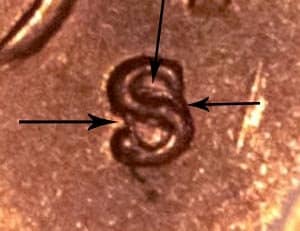
The most famous error among pennies minted in 1946 is the S mint mark struck over the letter D. Even the lowest-ranking collectible coins are worth $11 to $144, while those in the mint state have a price range of $260 to $465. However, the costliest was the 1946 S/D MS 67 brown penny sold on eBay for $3,181.
Inverted mint mark
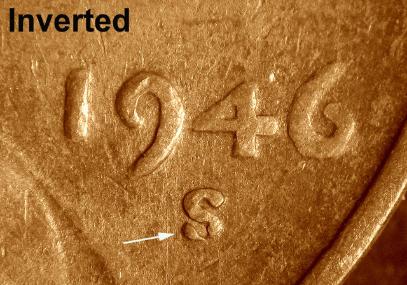
As a result of the hand-struck mint mark, you can find a 1946 error cent made in San Francisco with the inverted letter S. Since collectors like such pieces, you shouldn’t be surprised with their auction prices ranging from $179 to $468.
L on rim
Pennies from 1946 with the letter L engraved on the coin rim are common. However, coins with such moved word LIBERTY almost always cost a bit more than regular ones.
Doubled die
A doubled die mint error occurred when the machine struck the planchet two or more times. You can often find pennies with this error on one or both sides, making them relatively inexpensive.
Clipped planchet
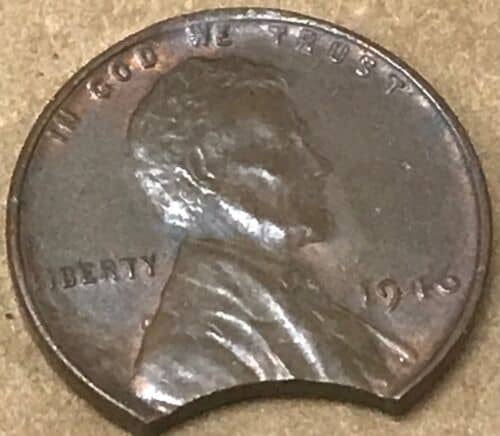
Pennies with a clipped planchet are collectible errors. You can effortlessly recognize these coins thanks to a missing part on the edge.
Also read: 11 Most Valuable Wheat Penny Errors
Where to Sell Your 1946 Penny ?
Now that you know the value of your coins, do you know where to sell those coins online easily? Don’t worry, I’ve compiled a list of these sites, including their introduction, pros, and cons.
Check out now: Best Places To Sell Coins Online (Pros & Cons)
FAQ about the 1946 Lincoln Wheat Penny
What makes Wheat pennies minted in 1946 rare?
Wheat pennies minted in 1946 are common and relatively cheap thanks to the high mintage. There are no proof coins with this date, and only rare errors can bring you more money than expected.
Which are the costliest 1946 Wheat pennies?
- The 1946 S MS 67+ Lincoln Wheat red penny record price is $16,800 (18th December 2022, Heritage Auctions)
- The 1946 MS 67 Lincoln Wheat red penny record price is $14,950 (1st January 2006, Heritage Auctions)
- The 1946 S/D MS 67 Lincoln Wheat brown penny (over mint mark) record price is $3,181 (29th January 2023, eBay)
- The 1946 S/D MS 66+ Lincoln Wheat red penny (over mint mark) record price is $3,173 (26th September 2019, LRC Auctions)
- The 1946 D MS 67+ Lincoln Wheat red penny record price is $2,585 (3rd February 2014, Heritage Auctions)
- The 1946 MS 67 Lincoln Wheat brown penny record price is $736 (11th November 2021, eBay)
- The 1946 D AU 50 Lincoln Wheat brown penny record price is $470 (9th January 2013, Heritage Auctions)
- The 1946 S MS 66 Lincoln Wheat red penny (inverted mint mark) record price is $468 (29th August 2021, Heritage Auctions)
- The 1946 S/D MS 63 Lincoln Wheat red-brown penny (over mint mark) record price is $341 (23rd February 2014, Heritage Auctions)
- The 1946 S MS 67 Lincoln Wheat red-brown penny record price is $204 (30th March 2021, eBay)
- The 1946 S MS 62 Lincoln Wheat brown penny (inverted mint mark) record price is $179 (11th March 2019, eBay)
- The 1946 D MS 67 Lincoln Wheat red-brown penny record price is $145 (26th March 2021, eBay)
- The 1946 S MS 67 Lincoln Wheat brown penny record price is $135 (4th March 2023, eBay)
- The 1946 MS 64 Lincoln Wheat red-brown penny record price is $135 (5th July 2019, eBay)
What are the average prices of the 1946 pennies minted in Philadelphia?
Most 1946 pennies are inexpensive. In most cases, their assessed price range is from $0.25 to $85, depending on their toning and overall condition.
What Wheat pennies won the auction records?
- Bronze 1943 D MS 64 brown Lincoln penny (January 2021) – $840,000
- Bronze 1943 S MS 63 brown Lincoln penny (November 2020) – $504,000
- Steel 1944 S MS 66 Lincoln penny (August 2021) – $408,000
- Bronze 1943 MS 62 brown Lincoln penny (February 2021) – $372,000
- 1958 MS 64 red DDO Lincoln penny (March 2018) – $336,000
- 1909 PR 67+ VDB Lincoln penny (August 2014) – $258,500
- 1943 AU 58 Lincoln penny (January 2010) – $218,500
- Steel 1944 MS 64 Lincoln penny (June 2021) – $180,000