1992 Quarter Value (2026 Guide): Errors List, “D”, “S” & “P” Mint Mark Worth

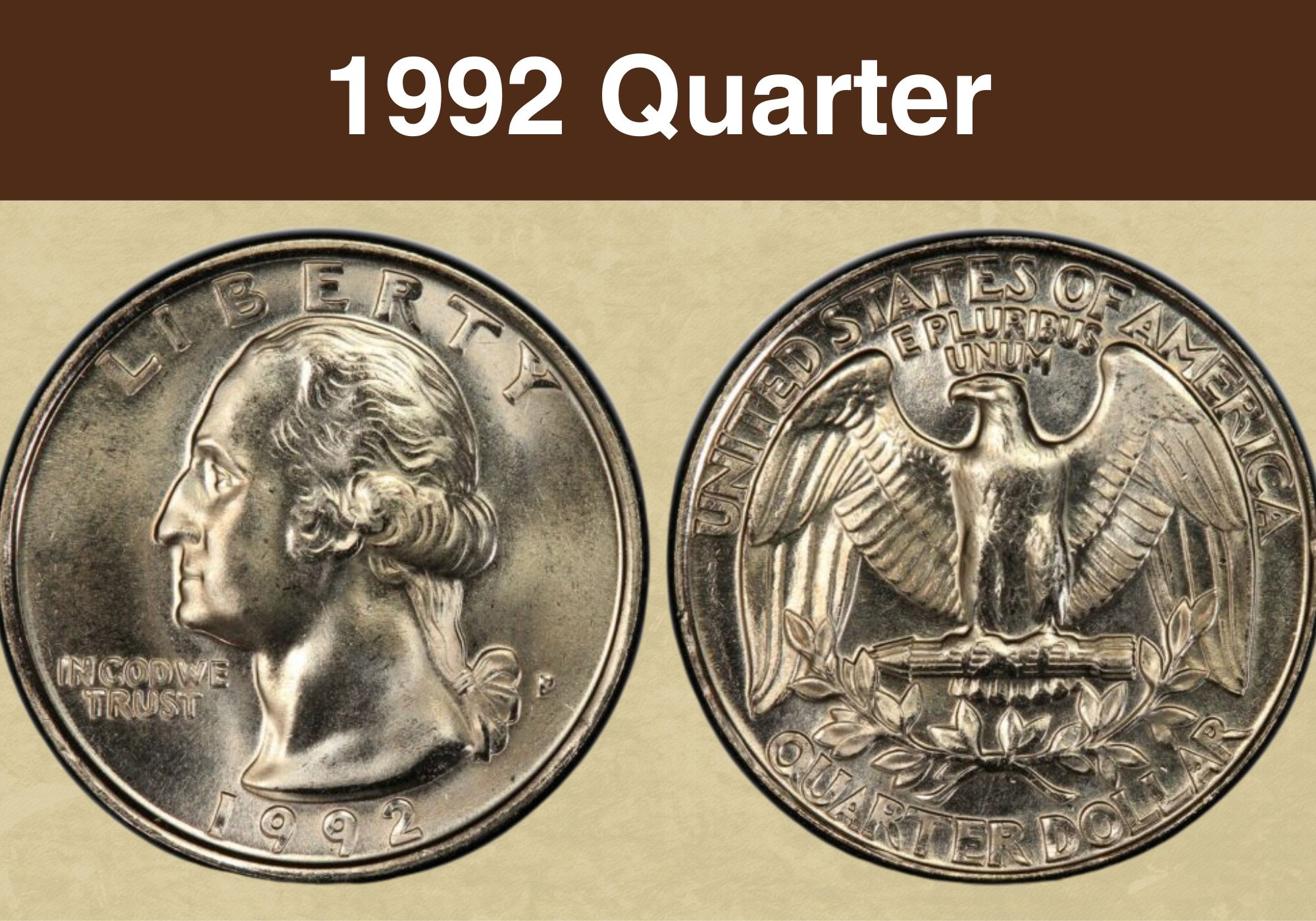
1992 Quarter

Market data for the 1992 Quarter reveals a hidden gem hiding in plain sight — a coin most people spend without a second thought, yet one that sold for $1,763 at Heritage Auctions in November 2013 in MS67 grade.

Understanding what separates a face-value quarter from a four-figure collector coin comes down to three things: which mint struck it, what condition it’s in, and whether it carries a special error or designation.

While circulated clad examples are worth only $0.25, the market gap widens dramatically in premium grades. Denver Mint specimens have hit $1,763 (PCGS MS67, Heritage Auctions, November 2013) and Philadelphia examples reached $763.75 (PCGS MS67, Heritage Auctions, June 2017), while the historic silver proof variants add precious metal value on top.


1992 Quarter Value By Variety

This comprehensive value chart presents current market pricing for all 1992 Quarter varieties across different condition grades, showcasing how mint marks, proof designations, and silver content significantly influence collector values in today’s numismatic marketplace.

If you know the grade of your coin, you can find the exact price below in the Value Guides section.

1992 Quarter Value Chart

TYPEGOODFINEAUMSPR
1992 P Quarter Value$0.25$0.29$0.67$82.14
1992 D Quarter Value$0.25$0.29$0.67$103.29
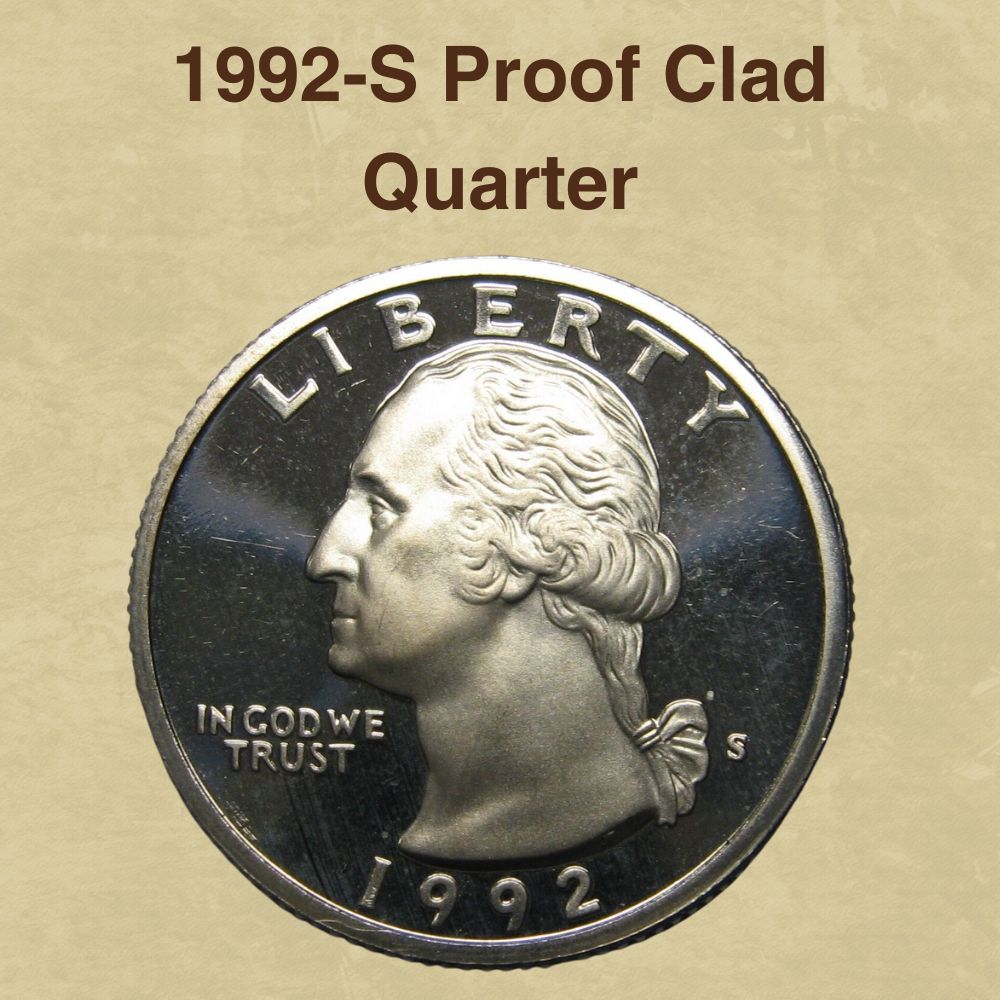
1992 S DCAM Quarter Value$5.78
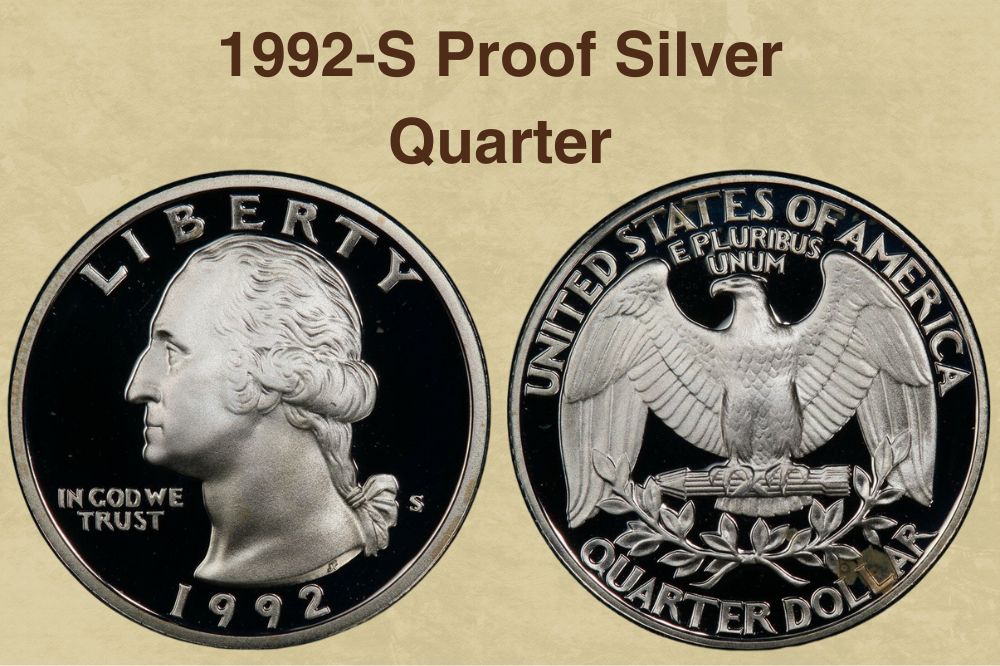
1992 S Silver DCAM Quarter Value$18.22
Updated: 2026-03-16 03:14:24

Also Read: Top 100 Most Valuable Modern Quarter Worth Money (1932 – Present)


Top 10 Most Valuable 1992 Quarter Worth Money

Most Valuable 1992 Quarter Chart

2000 - Present

The 1992 Quarter market proves that mintage numbers alone don’t determine value — condition is king for modern coinage. The key auction records reveal just how dramatically grade affects price.

The 1992-D tops the business-strike records at $1,763 in MS67 (Heritage Auctions, November 2013). The 1992-P reached $763.75 in MS67 (Heritage Auctions, June 2017). PCGS notes that for the 1992-P, MS66 examples are scarce with only a few hundred known, and MS67 specimens number fewer than ten with none graded finer.

Proof varieties with Deep Cameo (DCAM) designations — meaning the frosted design elements contrast sharply against mirror-bright fields — consistently command the strongest premiums. The silver proof specimens combine precious metal content with superior strike quality, making them the most coveted 1992 quarters of all.

Error coins add another profitable layer to the series, proving 1992 quarters offer legitimate collecting opportunities well beyond their common classification.

For collectors seeking the most profitable opportunities across the entire Washington quarter series, the comprehensive guide 100 Most Valuable Washington Quarters Worth Money reveals the highest-achieving specimens from all dates and mint marks.


History of the 1992 Quarter

The 1992 Quarter belongs to the Washington quarter series, which the United States Mint released into circulation in 1932.

The Washington quarter replaced the Standing Liberty quarter as part of the George Washington bicentennial birth celebrations.

In 1930, Congress formed a new George Washington Bicentennial Committee responsible for organizing the celebration.

Introducing a commemorative coin was part of the planned celebrations, with the Committee proposing that the new coin replace the Walking Liberty half dollar temporarily.

However, Congress requested that the new Washington quarter permanently replace the Standing Liberty quarter, and that decision stood.

The Committee had elected sculptor Laura Gardin Fraser to design a commemorative Washington medal, and it was expected she would design the new coin as well. This did not sit well with the Treasury Department under the leadership of Andrew Mellon.

Instead, the Treasury held a parallel competition to find a suitable designer for the new Washington Quarter. Eventually, the Department chose sculptor John Flanagan to design the coin.

Production of the Washington quarter began in July 1932, and the new coins were released into circulation by August.

Between 1932 and 1964, the United States Mint struck Washington quarters in 90% silver and 10% copper. Rising silver prices and increased hoarding of silver coins forced the Mint to change its composition to copper-nickel starting in 1965.

1992 was a landmark year for the series. The U.S. Mint introduced the Silver Proof Set program that year, restoring silver to proof coins for the first time since 1970 — when silver was removed entirely after the transition away from the 40% silver clad half dollar. The Mint offered four distinct proof set versions in 1992: the standard clad proof set, the 1992-S Silver Proof Set, the Silver Premier Proof Set (same coins, fancier packaging), and the 1992-S Prestige Proof Set (mintage: 183,293), which also included the Olympic commemorative coins. All four together cost collectors $125 at the time.

Also Read: Top 30 Most Valuable State Quarter Worth Money (1999 – 2008)


Is Your 1992 Quarter Rare?

10

1992-P Quarter Value

Common
Ranked 354 in Washington Quarter
10

1992-D Quarter Value

Common
Ranked 352 in Washington Quarter
10

1992-S DCAM Quarter Value

Common
Ranked 417 in Washington Quarter
10

1992-S Silver DCAM Quarter Value

Common
Ranked 413 in Washington Quarter

Use our CoinValueChecker App to instantly assess the rarity ranking and historical significance of any quarter in your collection.


Key Features of the 1992 Quarter

Let’s look at the features of the 1992 quarter. Understanding these attributes will come in handy when identifying 1992 quarters worth money.

The Obverse of the 1992 Quarter
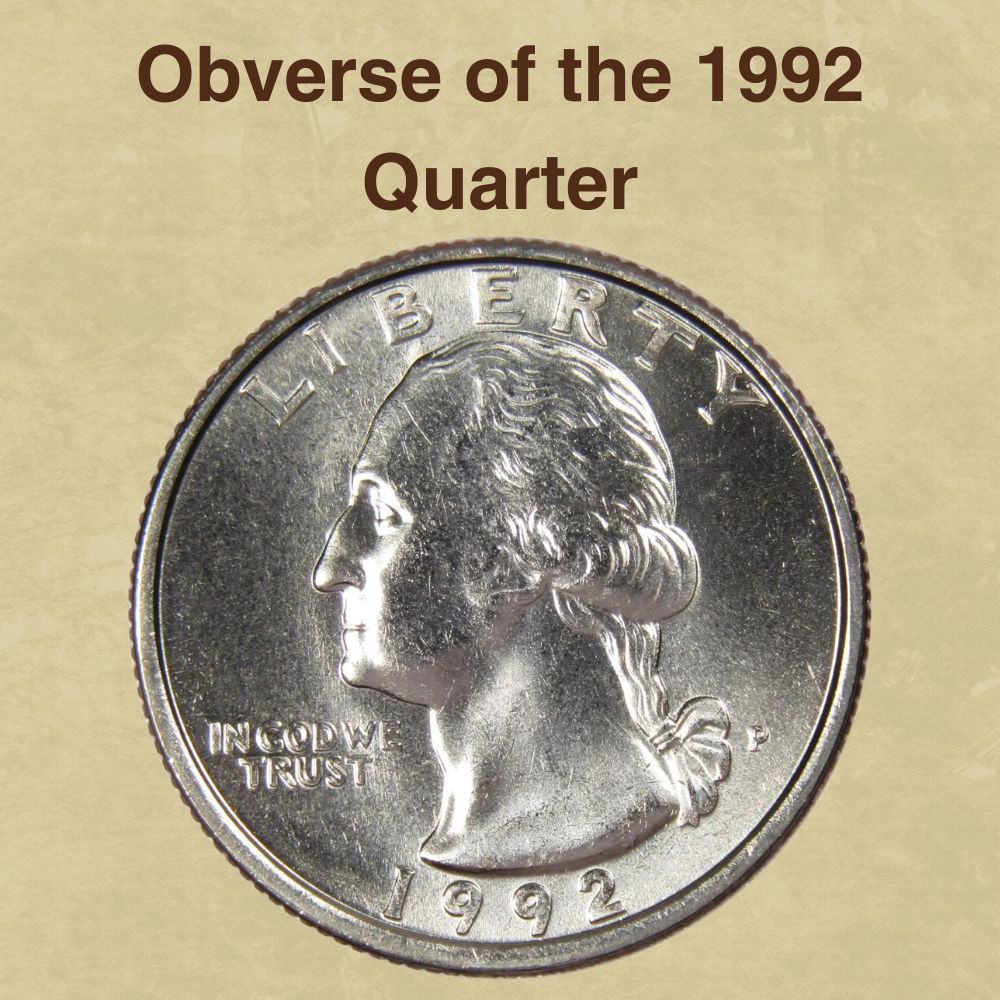
The Obverse of the 1992 Quarter

The obverse is the front side of a coin, also called the “heads” side.

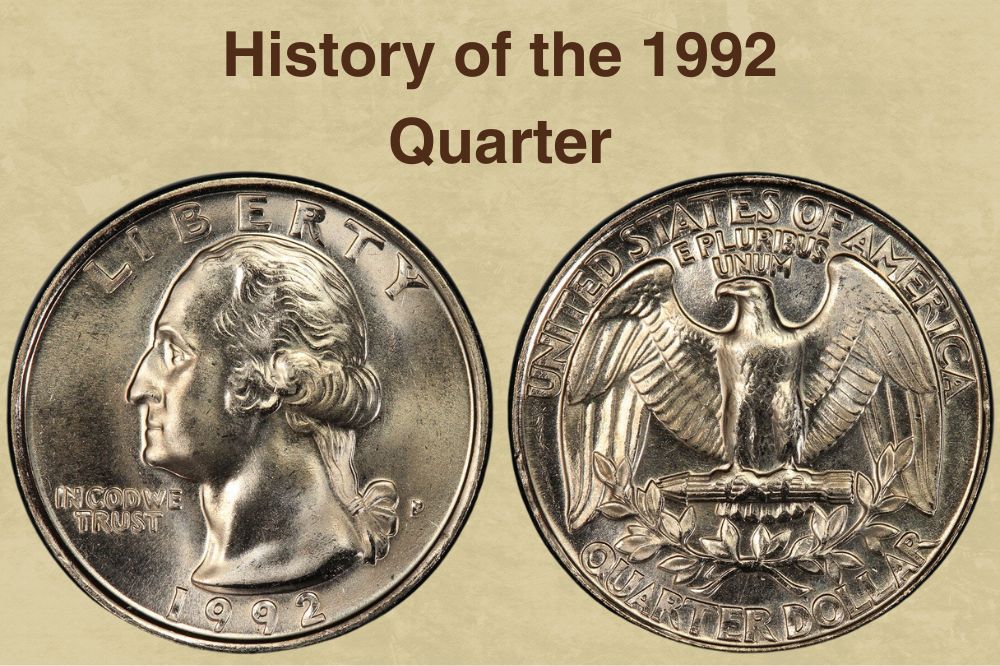
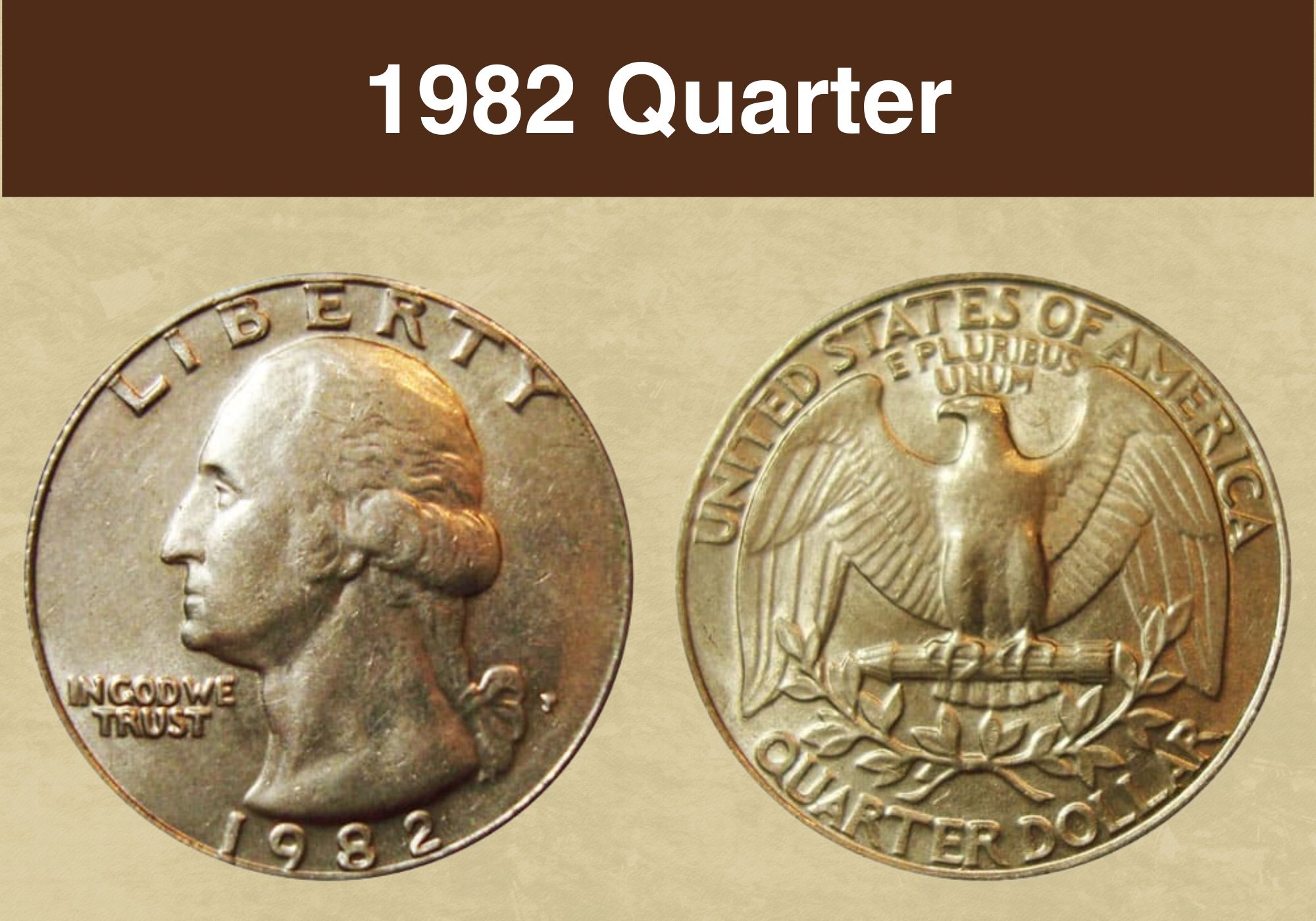
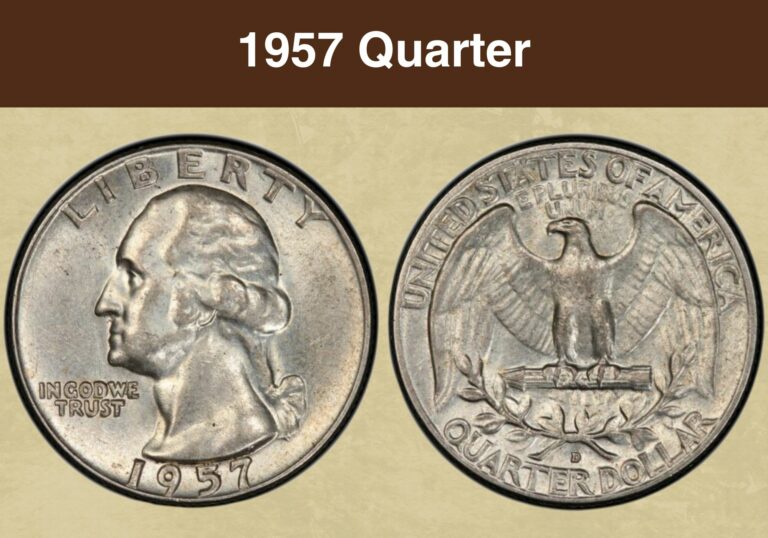
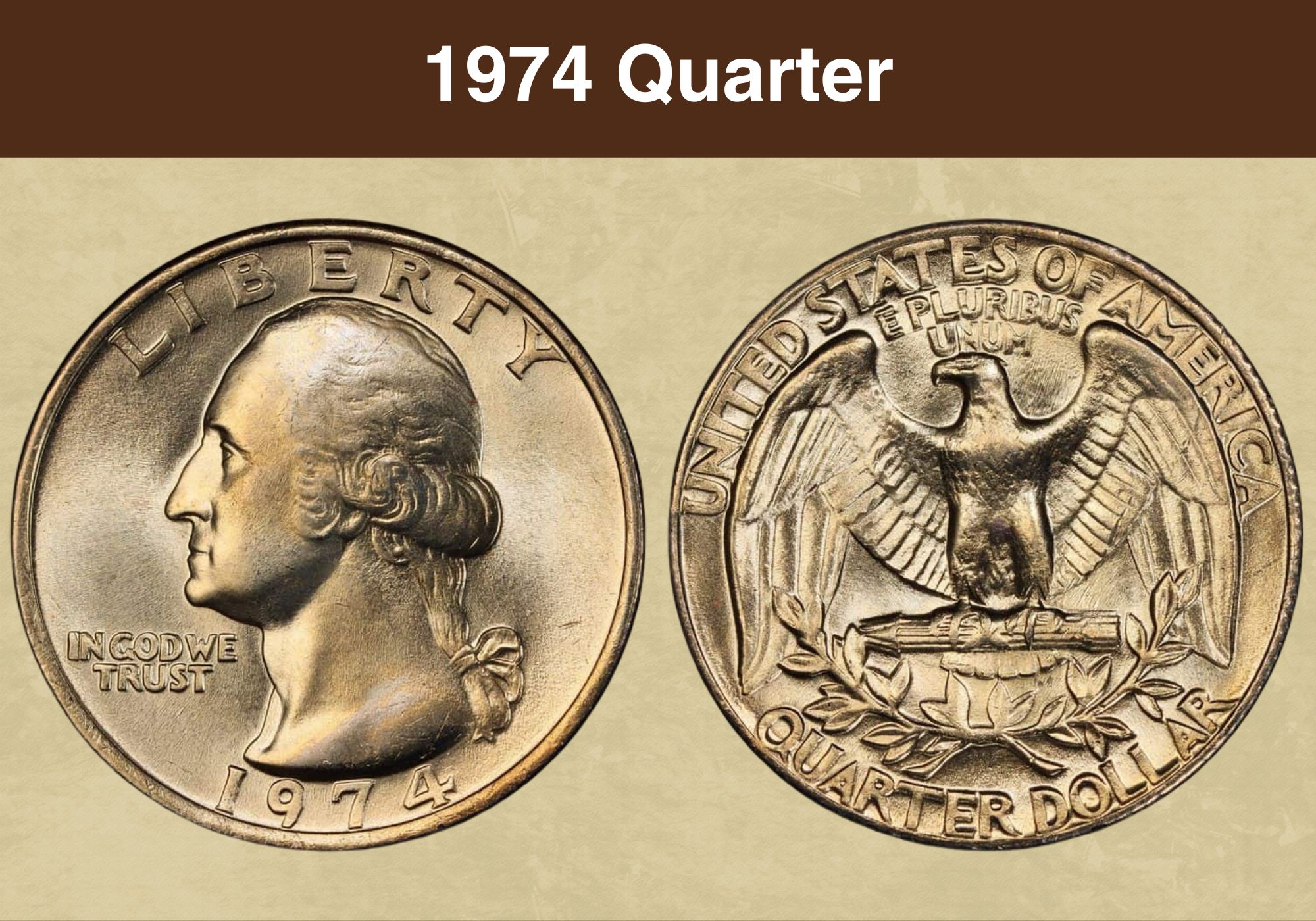
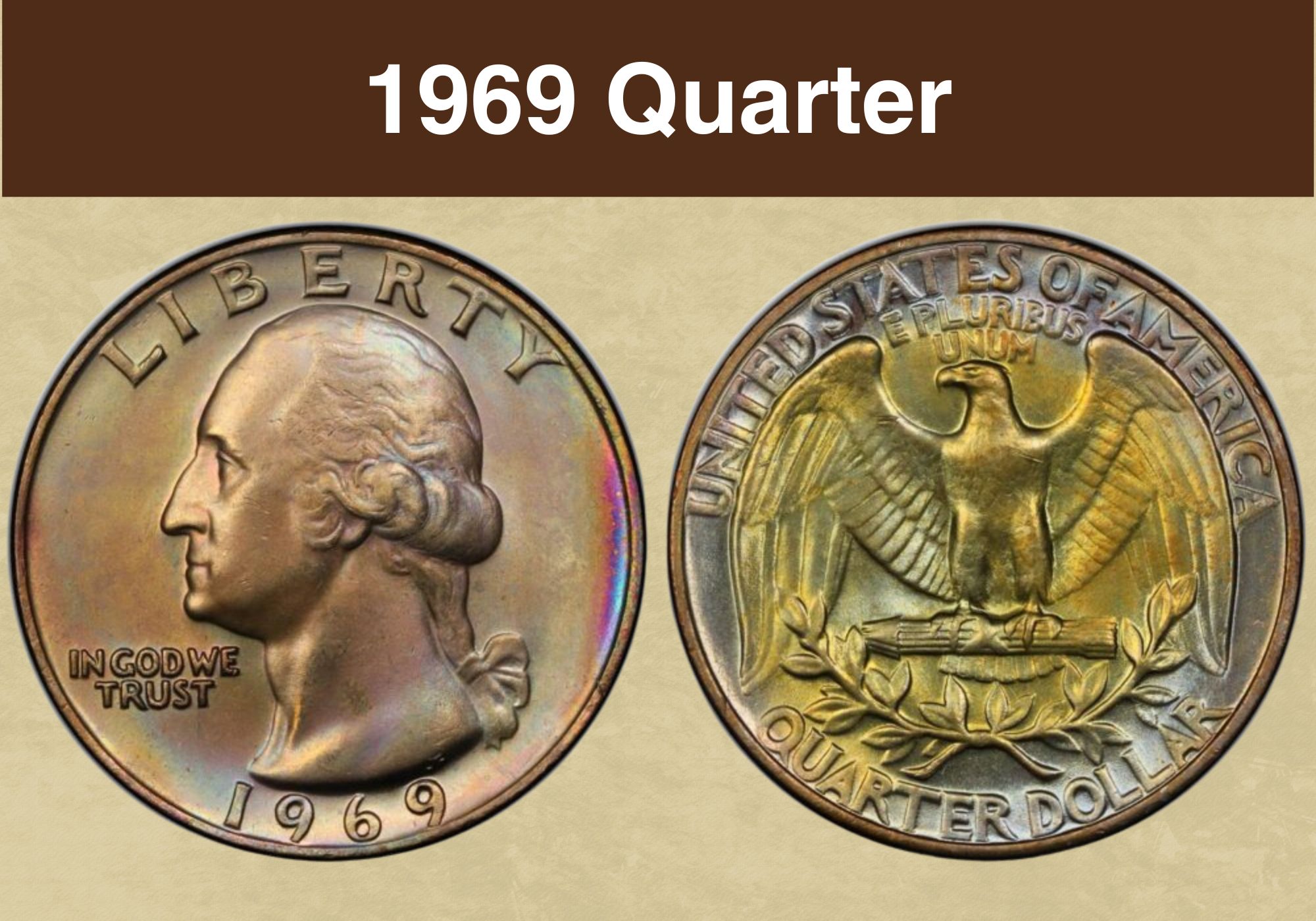
On a 1992 quarter, the left-facing profile of George Washington takes up most of the obverse space, with his hair in a pigtail. The word LIBERTY appears at the top around the coin’s inner rim, and the year date 1992 appears at the bottom.

The motto IN GOD WE TRUST is impressed on the left side. The mint mark — P, D, or S — appears just behind Washington’s ponytail bow on the lower right side of the portrait. (The “P” mint mark was added to Philadelphia coins starting in 1980.)

The Reverse of the 1992 Quarter

The Reverse of the 1992 Quarter

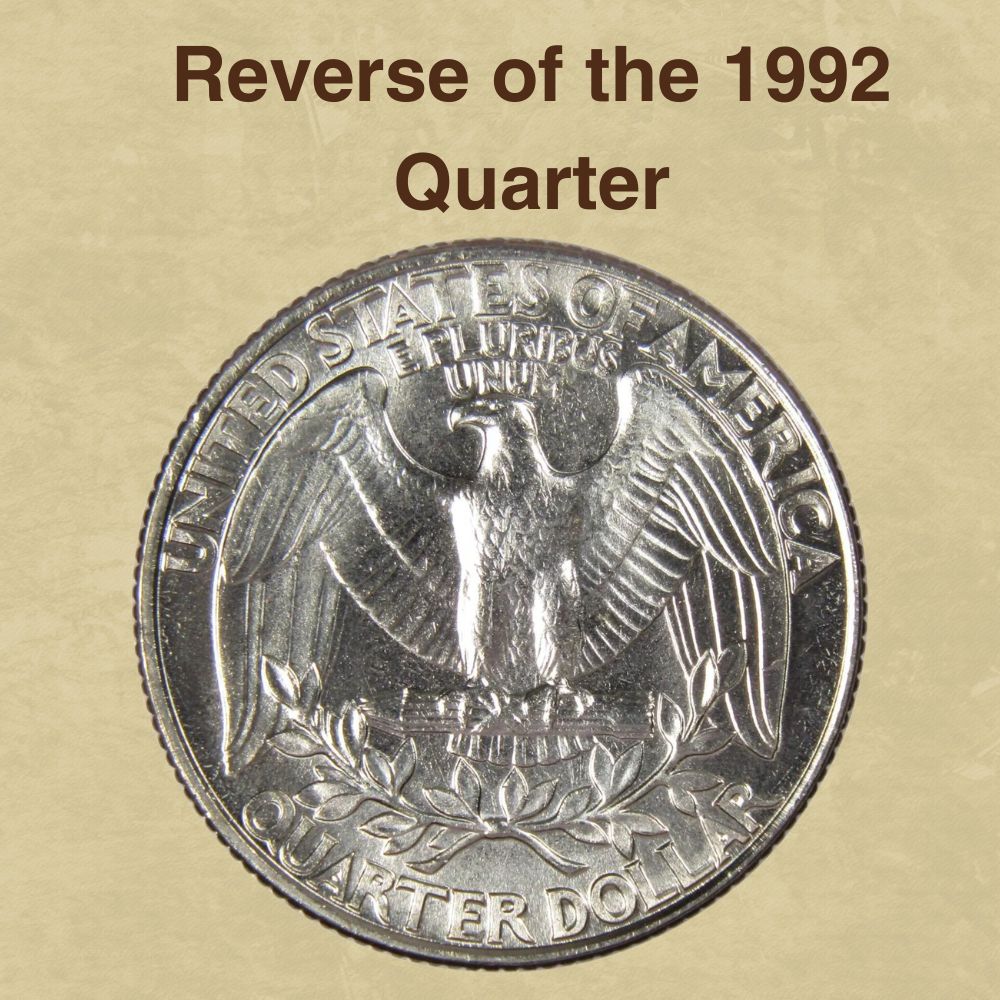
The reverse features a left-facing American eagle with wings spread wide, perched on a bundle of arrows representing freedom and liberty. Below the eagle are olive branches tied together, symbolizing peace.

UNITED STATES OF AMERICA arches across the top, followed by the motto E PLURIBUS UNUM (“Out of many, one”). The denomination QUARTER DOLLAR appears at the bottom rim.

Other Features of the 1992 Quarter

Business strike 1992 Washington quarters are made of a copper core with an outer clad layer of 75% copper and 25% nickel — giving the coin its familiar silver-gray appearance.

This coin measures 24.30 millimeters in diameter, weighs 5.67 grams, and has a reeded (ridged) edge with 119 reeds. The clad composition means the coin has a melt value of only a few cents.

Silver proof quarters are made of 90% silver and 10% copper, weigh 6.30 grams, and have a higher melt value (currently around $12–$13 depending on silver spot price). The weight difference is one reliable way to tell a silver quarter from a clad one without checking the edge.

The mints in Philadelphia (P), Denver (D), and San Francisco (S) struck Washington quarters in 1992.

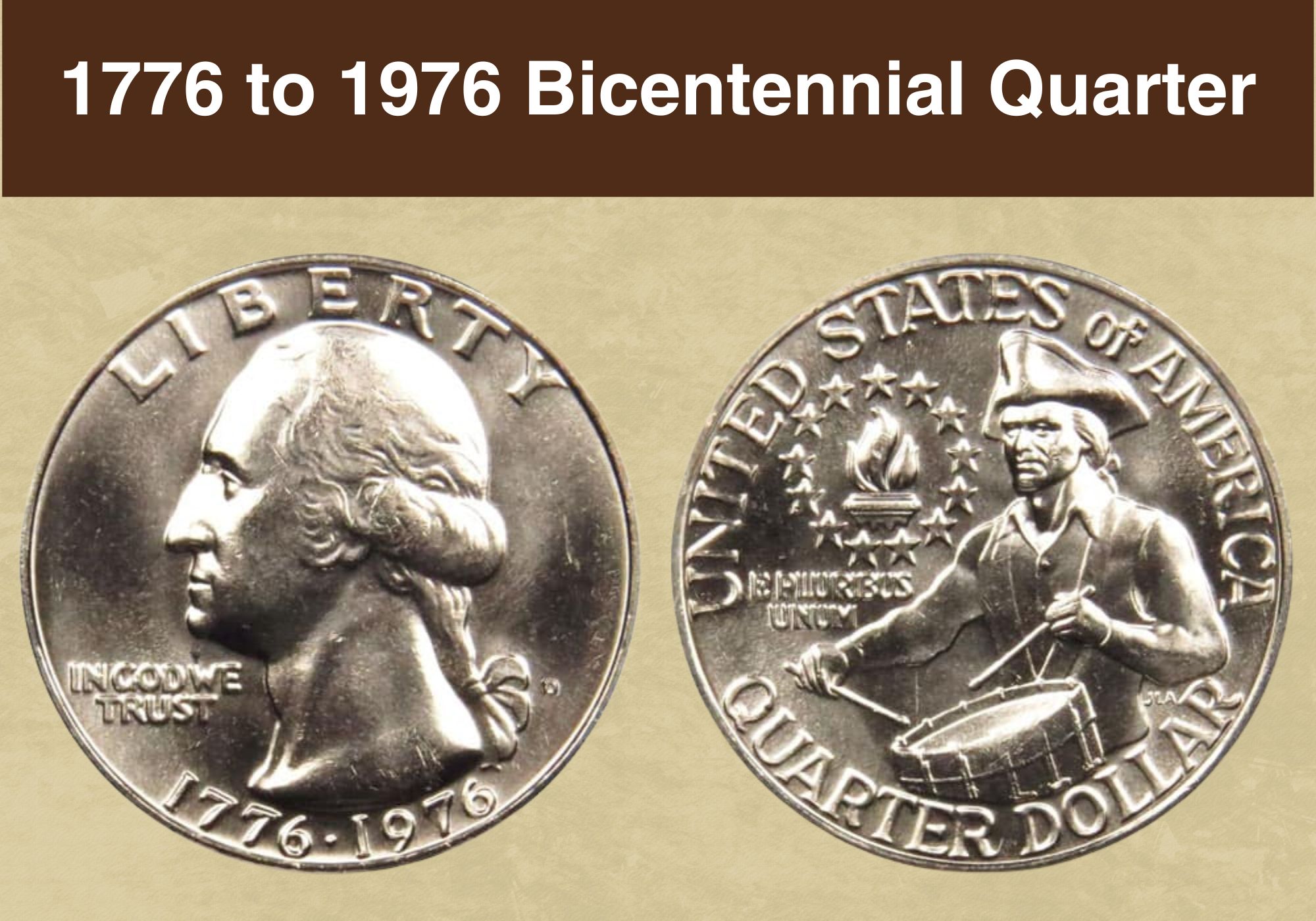
Also Read: Top 20 Most Valuable 1776-1976 Bicentennial Quarter


1992 Quarter Mintage & Survival Data

1992 Quarter Mintage & Survival Chart

Mintage Comparison

Survival Distribution

TypeMintageSurvivalSurvival Rate
P384,764,000192,382,00050%
D 389,777,107194,888,55350%
S DCAM2,858,9812,716,03195%
S Silver DCAM1,317,5791,251,70095%

The 1992 quarter mintage and survival analysis reveals compelling preservation patterns across this historically significant year.

Philadelphia struck approximately 384,764,000 business strike quarters, and Denver struck approximately 389,777,107 — a combined total of nearly 775 million coins. Both show estimated 50% survival rates, meaning roughly 387 million of each are still around in some form.

The San Francisco Mint produced approximately 2.86 million clad proof quarters and approximately 1.32 million silver proof quarters. Both proof categories show 95% survival rates, reflecting the careful storage typical of collector coins.

The high survival rate for proof coins is no surprise — collectors who paid a premium for these sets took care of them. Business strike survival rates are lower simply because these coins circulated and were spent, lost, or worn.

Also Read: Top 100 Most Valuable Washington Quarter Worth Money (1932 – 1998)


CoinVaueChecker App 10

The Easy Way to Know Your 1992 Quarter Value

Determining your 1992 quarter’s worth requires three steps: identify the mint mark (P, D, or S), verify the metal composition (clad or 90% silver), and evaluate the condition honestly.

To check for silver, weigh the coin — silver proof quarters weigh 6.30 grams versus 5.67 grams for clad versions. You can also look at the edge: clad coins show a copper-colored stripe sandwiched between two silver-toned layers, while silver coins are uniform throughout.

When evaluating condition, focus on Washington’s cheek and hair detail (these show wear first), plus the eagle’s breast feathers on the reverse. Mint state means no wear at all — even the faintest rub on Washington’s cheek drops a coin out of MS grades and back to face value for circulated clad pieces.

For proof coins, look for the Deep Cameo (DCAM) effect: the frosted, white-looking design elements should stand out sharply against mirror-bright fields. Coins without that contrast are standard proofs worth less.

The CoinValueChecker App delivers instant professional authentication, precise grading analysis, and real-time market valuations — enabling accurate assessment of your 1992 quarter’s value within seconds.

CoinValueChecker APP Screenshoot


1992 Quarter Value Guides

  • 1992-P Quarter (Philadelphia)
  • 1992-D Quarter (Denver)
  • 1992-S DCAM Quarter (San Francisco)
  • 1992-S Silver DCAM Quarter (San Francisco)

The 1992 Washington Quarter series features four distinct categories that span from abundant circulation coins to rare precious metal collector pieces.

Philadelphia and Denver produced massive quantities of copper-nickel clad circulation quarters. The San Francisco Mint contributed two premium proof varieties featuring the Deep Cameo (DCAM) designation — meaning heavily frosted design elements contrast against deeply mirrored fields. The DCAM designation is awarded by grading services like PCGS (Professional Coin Grading Service) and NGC (Numismatic Guaranty Corporation) when the contrast effect meets a high visual standard.

These DCAM specimens represent the pinnacle of 1990s minting technology, and they are the ones most coveted by collectors today.


1992-P Quarter Value

1992-P Quarter Value

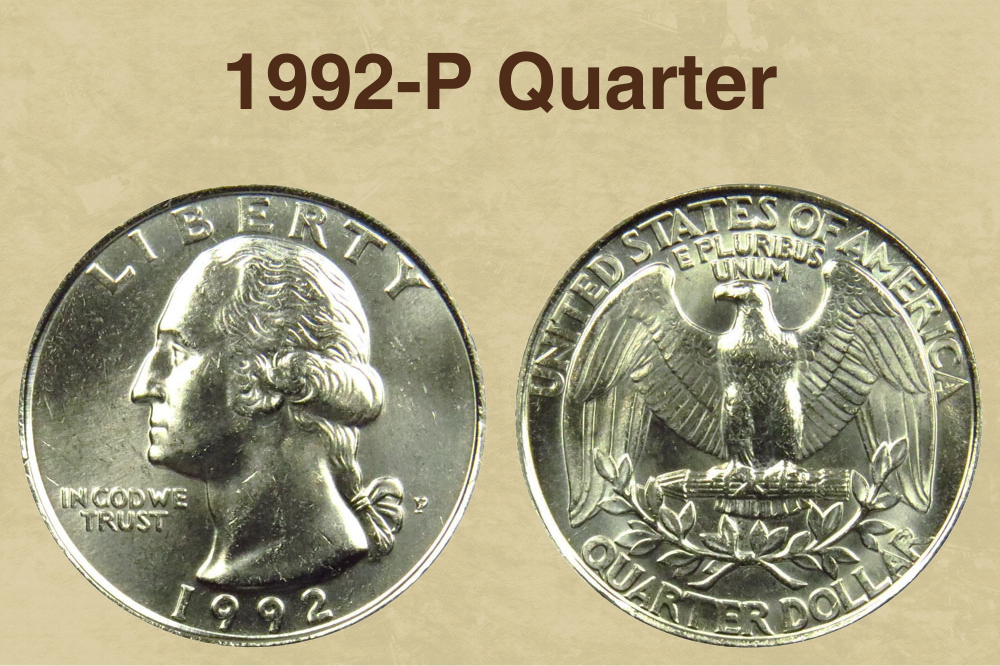
The 1992-P Quarter — struck at the Philadelphia Mint — is significantly more condition-rare than most collectors realize. PCGS notes that this issue is “underrated” and genuinely scarce in MS66 and higher grades.

The problem? The dies used to strike these coins in 1992 were not of the best quality, causing most examples to come out with visible scratches and flaws — especially on Washington’s bust. PCGS reports that only a few hundred examples are known in MS66, and fewer than ten exist in MS67, with none graded finer.

That extreme rarity at the top explains the auction record: $763.75 for a PCGS MS67 example at Heritage Auctions in June 2017. In circulated condition, these quarters are worth face value. In MS63 grade, expect around $0.80–$1. In gem MS65, values can reach $4–$18.

1992-P Quarter Price/Grade Chart

Price by 1-70 Grade (Latest Auction Records Included)

Updated: 2026-03-16 03:14:25

Historical auction records demonstrate the market’s appreciation for exceptional preservation quality in these Philadelphia quarters.

Date PlatformPrice Grade

Current market activity patterns reflect steady collector recognition of this coin’s unique position in modern Washington quarter history.

Market activity: 1992-P Quarter


1992-D Quarter Value

1992-D Quarter Value

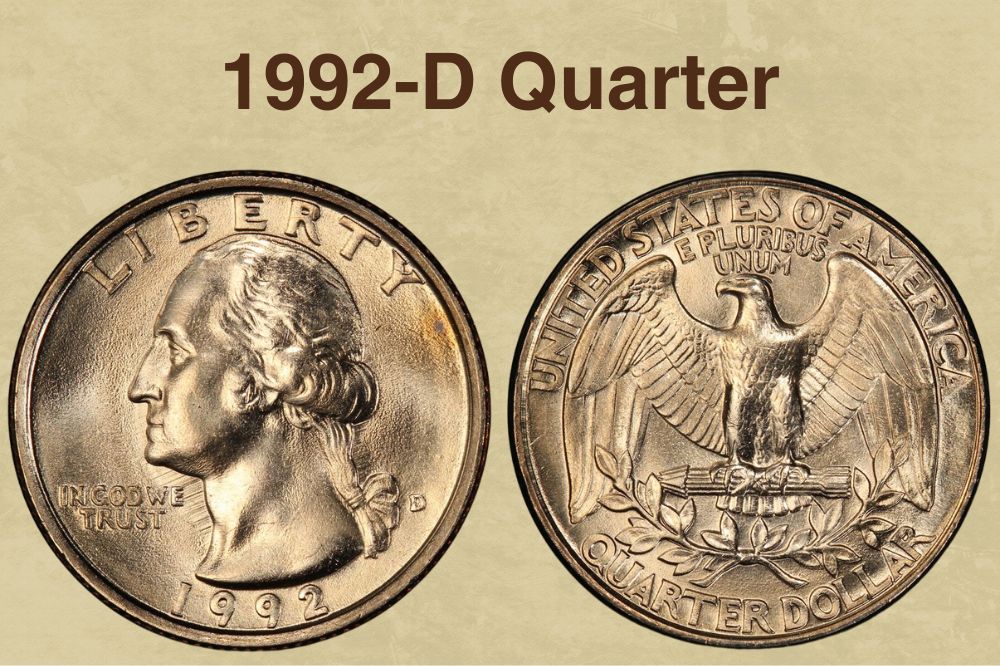
The 1992-D Quarter from Denver holds the top auction record for the entire 1992 business-strike series. A PCGS MS67 example sold for $1,763 at Heritage Auctions in November 2013 — a price that surprises most beginners who assume a high-mintage coin couldn’t be worth that much.

The reason for the premium is simple: the 1992-D is genuinely rare in MS67. Only a handful of examples have been graded at that level by PCGS, and the combination of extreme scarcity and strong collector interest drives prices well above what the mintage figure would suggest.

In everyday grades, the 1992-D is worth about $0.80 in MS63 and around $4.10–$18 in MS65. Circulated examples remain at face value. Finding a gem-quality specimen is the real challenge, which is why high-grade examples command such strong premiums.

1992-D Quarter Price/Grade Chart

Price by 1-70 Grade (Latest Auction Records Included)

Updated: 2026-03-16 03:14:25

Auction performance data reveals the premium that collectors place on exceptional condition examples from this historically significant Denver production.

Date PlatformPrice Grade

Market trading activity demonstrates consistent collector interest in securing quality specimens of this important Denver quarter.

Market activity: 1992-D Quarter


1992-S DCAM Quarter Value

1992-S DCAM Quarter Value

The 1992-S DCAM Quarter is a copper-nickel clad proof coin struck at the San Francisco Mint, featuring the coveted Deep Cameo (DCAM) finish. “Deep Cameo” means the frosted raised design elements stand in sharp, dramatic contrast against deeply mirrored background fields — creating a coin that looks almost three-dimensional.

Not every 1992-S proof quarter earned the DCAM designation. Only coins struck from fresh dies with perfect conditions receive it, which is why DCAM examples carry a premium over standard proof specimens. In PR65 condition, these coins are worth around $3.50. Strong DCAM examples in higher grades can reach into the double-digits and beyond.

The 1992-S DCAM was sold as part of the standard 1992-S clad proof set, which had a total mintage of approximately 2.86 million sets.

1992-S DCAM Quarter Price/Grade Chart

Price by 1-70 Grade (Latest Auction Records Included)

Updated: 2026-03-16 03:14:25

Historical auction records highlight the consistent premiums these visually striking deep cameo specimens command in the collector marketplace.

Date PlatformPrice Grade

Current market activity reflects steady demand among collectors seeking these exceptional contrast-effect proofs from this landmark numismatic year.

Market activity: 1992-S DCAM Quarter


1992-S Silver DCAM Quarter Value

1992-S Silver DCAM Quarter Value

The 1992-S Silver DCAM Quarter is the most historically significant coin in the entire 1992 series. It was part of the inaugural U.S. Mint Silver Proof Set — the first time since 1970 that silver had appeared in a standard U.S. proof set. According to Stack’s Bowers, this 1992 program inaugurated the modern silver proof set tradition that continues to the present day.

The silver quarter in this set is composed of 90% silver and 10% copper, weighing 6.30 grams — notably heavier than the 5.67-gram clad versions. The DCAM designation adds the visual drama of frosted design elements against mirror-bright silver fields.

With approximately 1.32 million silver proof quarters produced, only a select fraction earned the full DCAM designation, making these specimens genuinely scarce. In PR65 condition, values are around $9.50–$26. The silver melt value also provides a price floor, currently around $12–$13 based on recent silver spot prices.

1992-S Silver DCAM Quarter Price/Grade Chart

Price by 1-70 Grade (Latest Auction Records Included)

Updated: 2026-03-16 03:14:25

Auction performance records demonstrate the exceptional premiums these historically significant silver deep cameo specimens consistently achieve.

Date PlatformPrice Grade

Market activity patterns reflect intense collector competition for these rare combinations of precious metal content and superior contrast effects.

Market activity: 1992-S Silver DCAM Quarter

Also Read: What Quarters Are Worth Money


Rare 1992 Quarter Errors List

With nearly 775 million quarters struck in 1992 across Philadelphia and Denver, minting errors were inevitable. These error coins can be worth far more than face value — and sometimes more than even the finest mint-state examples.

Here are the 1992 quarter errors worth looking for:

1. 1992 Struck Through Grease Quarter Error

A struck-through error happens when a foreign object — most commonly grease from the minting machine — gets between the die and the blank coin (called a planchet) during striking. The object blocks part of the design from transferring, resulting in a coin with blurry, faint, or missing details.

On a 1992 quarter, a grease-struck example might show a faint or missing mint mark, weak lettering in IN GOD WE TRUST, or a soft eagle on the reverse. A 1992 quarter with a significant struck-through error can fetch around $65, with higher prices for coins in better overall condition.

2. 1992 Off-Center Strike Quarter Error

An off-center strike happens when the planchet is not centered under the dies when they press down. This shifts the design to one side, leaving a blank, crescent-shaped area of unstruck metal on the opposite edge.

The value of an off-center quarter depends on how far off-center it is and whether the date is still visible. A 1992 quarter that is 3% to 5% off center may be worth only $30 to $50. More dramatic examples missing 50% of the design but still showing the complete date can reach $150 to $200 or more. Coins showing 10–20% offset typically bring $70 to $90.

3. 1992 Clad Platting Quarter Error

The 1992 quarter has a copper-nickel outer layer (clad) over a pure copper core. In some cases, the nickel-copper cladding layer was missing from one or both sides of the planchet before it was struck.

CoinVaueChecker App 10

A quarter missing its clad layer on one side will show copper-colored metal instead of the familiar silver-gray. These coins are valued at around $20 to $30 depending on how much cladding is missing. A coin missing both clad layers entirely can exceed this range.

4. 1992 Broadstrike Quarter Error

A broadstrike occurs when the retaining collar — the ring that normally keeps the planchet contained during striking — fails to deploy. Without the collar, metal flows outward freely, producing a coin that is wider and flatter than normal with a smooth (unreeded) edge.

Broadstruck 1992 quarters typically sell in the $50 to $150 range. More dramatic examples in higher uncirculated grades can push into the $200 to $300 range among dedicated error collectors. The clearest sign of a broadstrike is a completely smooth edge with no reeding.

5. 1992 Double-Struck Quarter Error

A double strike happens when a coin fails to eject from the press after its first strike and gets hit a second time by the dies. The result is two overlapping sets of design elements — you may see two Washington portraits, two sets of dates, or two overlapping eagle images.

A double strike is different from a doubled die (see below). A 1992 quarter with a dramatic double strike can fetch $138 to $200 or more depending on the grade and how far the second strike is offset from the first.

6. 1992 Doubled Die Quarter Error (DDO/DDR)

A Doubled Die Obverse (DDO) or Doubled Die Reverse (DDR) error occurs during die manufacturing, when the die receives two slightly misaligned impressions from the hub (the master template). Every coin struck with that die shows the same doubling — making it a true variety, not just a one-time accident.

On a 1992 DDO, look for doubling on LIBERTY, the date numerals, or IN GOD WE TRUST. On a DDR, check the eagle, E PLURIBUS UNUM, and UNITED STATES OF AMERICA. Genuine doubled die errors require authentication by PCGS or NGC, as machine doubling (which has no collector value) can look similar to the naked eye.

7. 1992 Clipped Planchet Quarter Error

A clipped planchet error occurs during the blanking process, before the coin is struck, when the metal punch overlaps a previously punched hole and cuts an incomplete blank. The resulting coin is missing a curved or straight chunk from its edge.

A 1992 quarter with a minor clipped planchet typically sells for $10 to $30. Large, dramatic clips affecting 20% or more of the coin’s circumference can bring $50 to $100+. Look for the Blakesley effect — a weakened or missing rim directly opposite the clip — to confirm it’s a genuine mint error and not post-mint damage.

Also Read: 20 Rare Washington Quarter Errors Worth Money (Full List with Pictures)


Where to Sell Your 1992 Quarter

Now that you understand the value potential of your 1992 quarters, choosing the right selling platform will help you maximize your return and connect with collectors who appreciate this landmark year in Washington quarter production.

Check out now: Best Places To Sell Coins Online (Pros & Cons)


1992 Quarter Market Trend

Market Interest Trend Chart - 1992 Quarter

*Market Trend Chart showing the number of people paying attention to this coin.


FAQ About the 1992 Quarter Value

1. How do I know if my 1992 quarter is valuable?

The most reliable indicators are the mint mark, condition, and metal composition. A 1992-S silver quarter (6.30 grams, no copper stripe visible on the edge) in pristine proof condition is the most valuable common find. Business-strike coins (P or D mint marks) are only valuable in exceptionally high, uncirculated grades — MS66 or MS67 — because both Philadelphia and Denver used lower-quality dies that left most coins with surface flaws.

2. What is the 1992 quarter auction record?

The top auction record for a business-strike 1992 quarter is $1,763 for a 1992-D quarter graded PCGS MS67 at Heritage Auctions in November 2013. For Philadelphia, the record is $763.75 for a PCGS MS67 example sold at Heritage Auctions in June 2017.

3. Is a 1992-S quarter automatically silver?

No — not all 1992-S quarters are silver. The San Francisco Mint produced both copper-nickel clad proof quarters (as part of the standard proof set) and 90% silver proof quarters (sold in the Silver Proof Set). Weigh the coin: a silver 1992-S quarter weighs 6.30 grams, while a clad version weighs 5.67 grams. You can also check the edge — a clad coin shows a copper-colored stripe, while a silver coin has a uniform silver edge.

4. Why is 1992 historically important for U.S. proof coins?

The year 1992 marked the introduction of the modern Silver Proof Set program. This was the first time since 1970 that the U.S. Mint issued standard proof quarters in 90% silver composition. According to Stack’s Bowers, this 1992 program established the template for the annual Silver Proof Set still offered today. The Mint actually offered four different proof set types that year — the standard clad set, the Silver Proof Set, the Silver Premier Proof Set, and the Prestige Set — for a combined original retail cost of $125.

5. What does DCAM mean on a 1992-S quarter?

DCAM stands for Deep Cameo, a designation awarded by third-party grading services PCGS and NGC. It describes a proof coin with heavily frosted, white-looking raised design elements that stand in sharp contrast against deeply mirrored, mirror-bright background fields. Not every proof coin achieves DCAM status — only those struck from fresh dies with perfect conditions qualify. DCAM coins are worth significantly more than standard proof examples.

6. How rare is the 1992-P quarter in high grades?

Quite rare at MS66 and above. PCGS reports that the 1992-P is scarce in MS66, with only a few hundred known examples at that grade. In MS67, fewer than ten examples exist as graded by PCGS, with none finer. This condition rarity exists because the dies used in 1992 were not high quality, producing coins with visible flaws — especially on Washington’s bust — even when freshly struck.

7. What is the 1992 quarter worth in circulated condition?

Circulated 1992-P and 1992-D quarters are worth only face value — $0.25. Even light wear drops a clad Washington quarter out of premium grades entirely. The only exception is a silver 1992-S proof quarter, which has a melt value of approximately $12–$13 based on current silver prices of around $69 per ounce, making it worth at least that even in worn condition.

8. What 1992 quarter errors are worth the most money?

The most valuable 1992 quarter errors are wrong planchet errors (a quarter design struck on a dime or other planchet), double strikes with dramatic offset, and broadstrikes with significant metal expansion. Off-center strikes showing 50% or more displacement while retaining the full date can reach $150 to $200+. Genuine Doubled Die Obverse or Reverse varieties, once confirmed by PCGS or NGC, can be worth considerably more depending on how clear the doubling is.

9. Should I get my 1992 quarter graded by PCGS or NGC?

Only if your coin appears to be in exceptionally high grade (MS66 or above for business strikes, or PR69/PR70 for proofs) or carries a suspected error variety. For typical uncirculated examples below MS65, grading costs ($20–$40 per coin) generally outweigh the coin’s market value. For coins that could be MS67 business strikes or confirmed DCAM proofs, professional grading by PCGS or NGC adds authentication, a precise grade, and significantly increases marketability.

10. What proof sets contained the 1992-S silver quarter?

The 1992-S silver quarter appeared in two sets: the 1992-S Silver Proof Set and the 1992-S Silver Premier Proof Set (same coins, more upscale packaging). Both sets contained 90% silver versions of the dime, quarter, and half dollar, alongside copper-nickel versions of the cent and nickel. The standard 1992-S clad proof set contained the copper-nickel clad version of the quarter instead. The 1992 Prestige Proof Set (mintage: 183,293) used clad coins but included the Olympic commemorative silver dollar and gymnastics half dollar as its special attractions.

Similar Posts