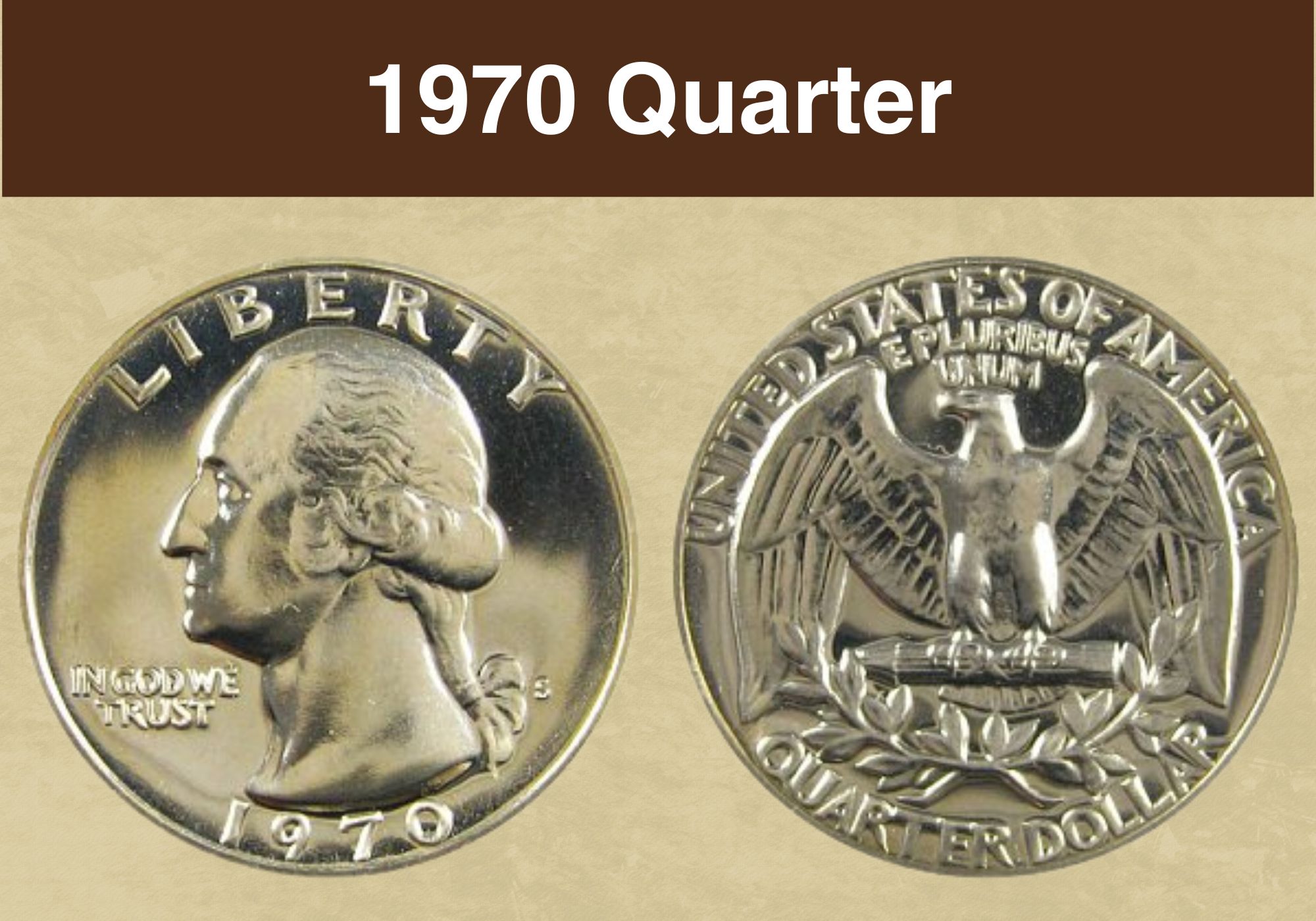
1970 Quarter Value Checker: Errors List, “D”, “S” & No Mint Mark Worth
The 1970 quarter is a clad copper-nickel coin that most people overlook in their change jar — but a small number of these coins are worth serious money to collectors. While the majority remain common due to massive mintage numbers, certain varieties and exceptional specimens can command surprising premiums at auction.
Market activity shows high-grade examples reaching hundreds or even thousands of dollars. A 1970-D quarter in MS69 condition sold for $15,000 at Heritage Auctions in 2023, while error varieties with doubled dies have crossed $2,875 on the open market.
In this article, we’re looking specifically at 1970 quarter values across different conditions and varieties. How much do circulated coins sell for? What makes some worth hundreds while others are worth face value? Which mint marks matter most?
Read on to see our complete analysis…
1970 Quarter Value Checker
Identify 1970 Quarter D, S and No Mint Mark Price
Front Obverse
Upload or Take a Photo
Back Reverse
Upload or Take a Photo
1970 Quarter Value By Variety
Here’s a quick reference guide showing current market values for 1970 quarters across different conditions and mint marks. If you know the grade of your coin, you can find the exact price below in the Value Guides section.
1970 Quarter Value Chart
| TYPE | GOOD | FINE | AU | MS | PR |
|---|---|---|---|---|---|
| 1970 No Mint Mark Quarter Value | $0.25 | $0.29 | $0.67 | $16.00 | — |
| 1970 D Quarter Value | $0.25 | $0.29 | $0.67 | $11.00 | — |
| 1970 S Proof Quarter Value | — | — | — | — | $5.17 |
| 1970 S CAM Quarter Value | — | — | — | — | $8.62 |
| 1970 S DCAM Quarter Value | — | — | — | — | $22.50 |
Also Read: Top 100 Most Valuable Modern Quarter Worth Money (1932 – Present)
Top 10 Most Valuable 1970 Quarter Value: Key Auction Records
Most Valuable 1970 Quarter Chart
2005 - Present
The most valuable 1970 quarters demonstrate how condition and mint mark dramatically impact worth, even for common-date coins. Leading the list is a breathtaking 1970-D MS69 that realized $15,000 at Heritage Auctions in 2023 — a record that proves even abundant coins can become extraordinary when found in virtually perfect condition.
An MS68 Denver example also sold for $3,960, confirming that the drop in certified population at this grade level creates real scarcity. High-grade Philadelphia mint coins carry their own premium, with a 1970 MS67+ specimen realizing $2,160 in 2019.
The proof varieties show strong collector appeal across all tiers. A 1970-S PR69 DCAM (Deep Cameo Proof, graded by PCGS) sold for $2,760 in 2007, while a PR66 CAM example brought $1,553 in 2006.
What’s particularly striking about this ranking is how grade sensitivity affects these common-date quarters — small improvements in condition can double or triple values. The difference between MS65 and MS68 can translate to hundreds of dollars on the open market.
The 1970-D specimens dominate the high-value positions, partly because their enormous mintage makes pristine, undamaged survivors especially scarce. Even mid-grade examples in MS65 and MS67 command meaningful premiums when properly preserved.
1970 Quarter Value History: The Story Behind Washington’s Portrait
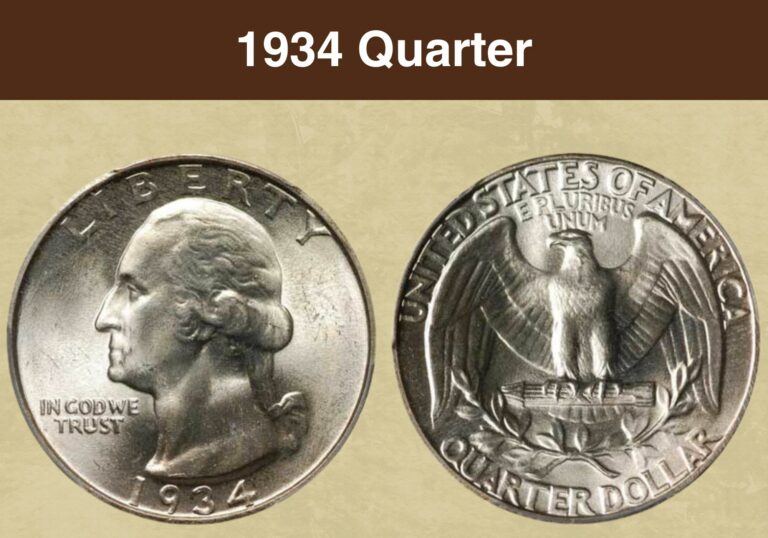
The Washington quarter has an origin story that surprises most collectors. It was originally conceived as a one-year commemorative issue for 1932 to mark the 200th anniversary of George Washington’s birth — but public enthusiasm was so strong that the US Mint kept striking it as a regular-issue coin and never stopped.
The obverse portrait was sculpted by John Flanagan, a New York-based artist of Scottish descent who won the design competition. He modeled the likeness after a celebrated 1785 plaster life mask and marble bust created by French sculptor Jean-Antoine Houdon, which is still on public display in the Virginia State Capitol in Richmond today.
The 1970 quarter, like all Washington quarters struck between 1965 and 1998, uses a copper-nickel clad composition — no silver at all. This shift was mandated by the Coinage Act of 1965, signed into law by President Lyndon B. Johnson on July 23, 1965, which removed silver from dimes and quarters after soaring silver prices caused widespread hoarding and coin shortages.
Before 1965, Washington quarters were struck in 90% silver and 10% copper, but the rising melt value of silver made these coins worth more than face value, pulling them out of circulation. The Coinage Act of 1965 resolved the crisis by switching to a sandwich-style clad construction that contained no precious metal.
Also Read: Top 30 Most Valuable State Quarter Worth Money (1999 – 2008)
Is Your 1970 Quarter Value Above Average? Rarity Rankings Explained
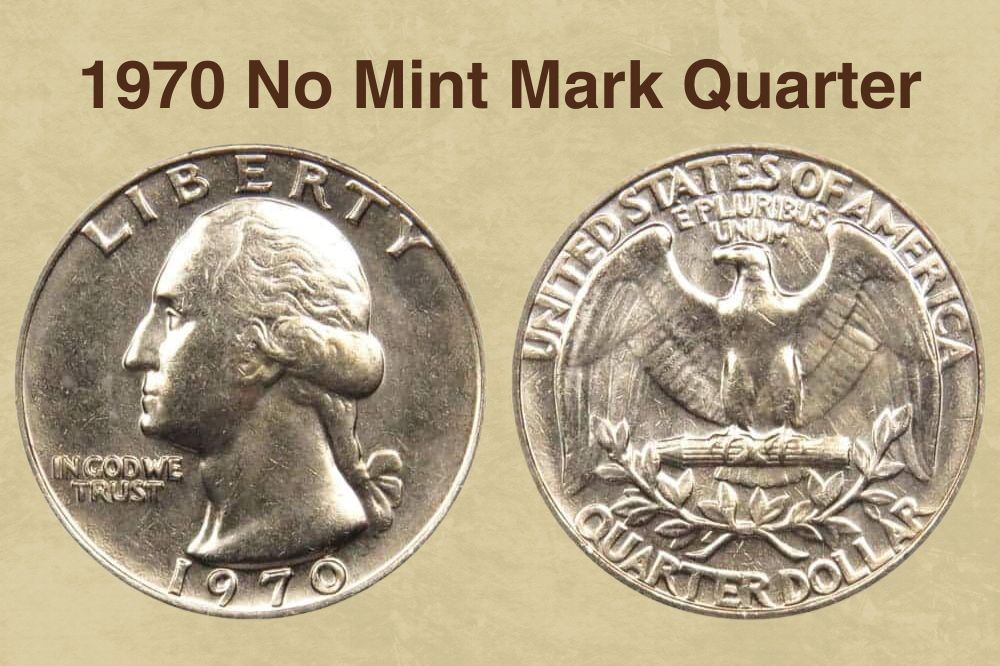
1970 No Mint Mark Quarter
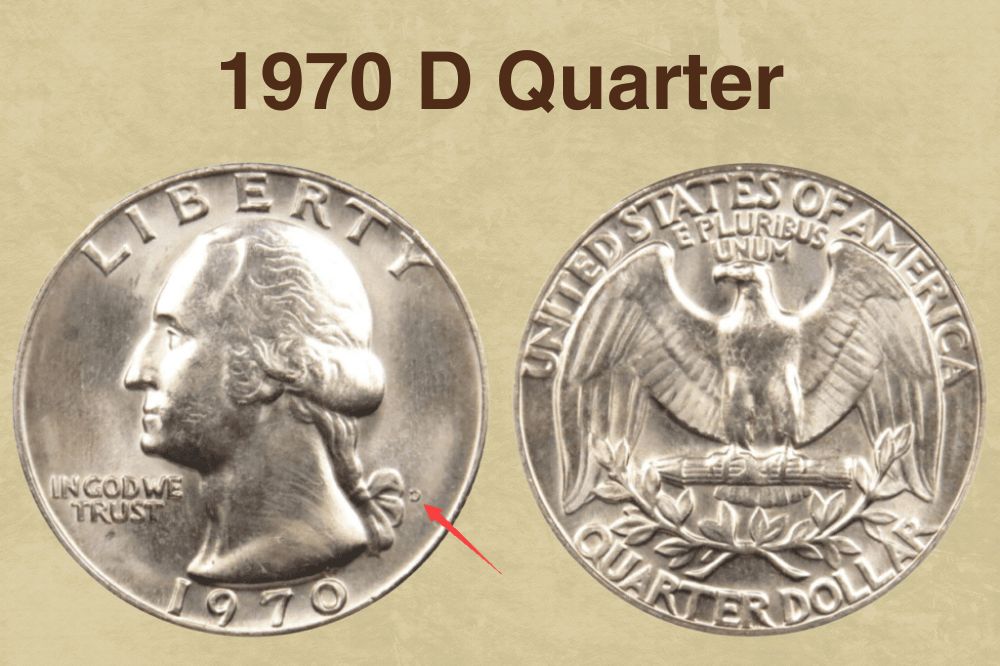
1970-D Quarter
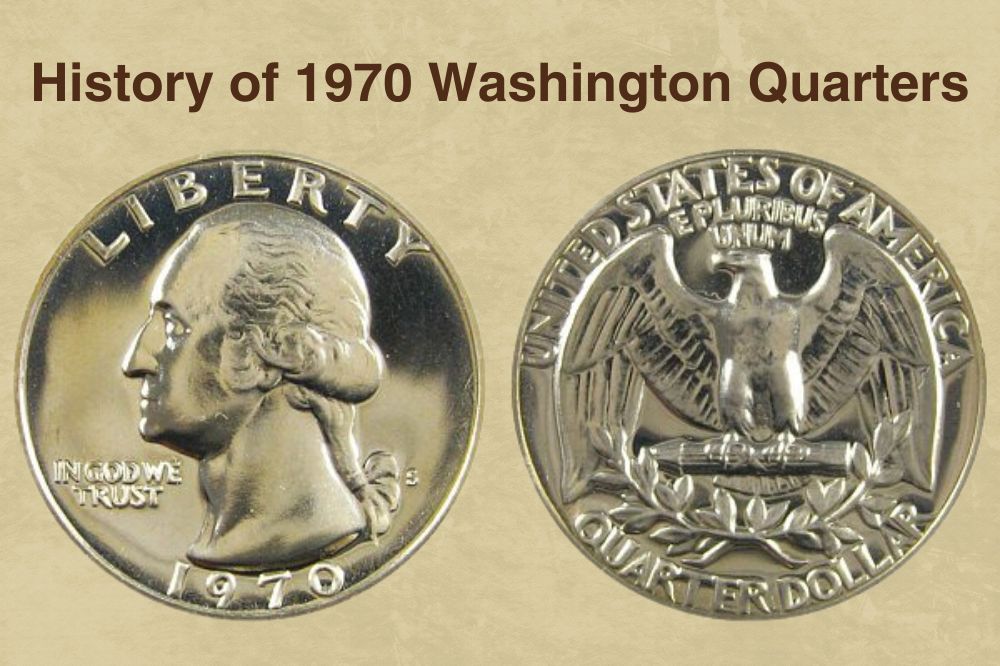
1970-S Proof Quarter
1970-S CAM Quarter
1970-S DCAM Quarter
Most 1970 quarters score low on rarity scales because of their enormous combined mintage — over 553 million business-strike coins between Philadelphia and Denver alone. However, coins with recognized error varieties, exceptional strike quality, or top grades of MS67 and above become genuinely scarce, even within this highly abundant series.
For collectors interested in comparing these rankings against genuinely rare Washington quarters, you can check rarity scores for any coin using our Coin Value Checker App, which provides comprehensive rarity data and current market values.
Key Features That Determine 1970 Quarter Value
The Washington quarter from 1970 uses the same fundamental design struck from 1932 to 1998, but specific physical details help identify varieties and assess condition. Understanding these features is the essential first step before evaluating any coin’s value.
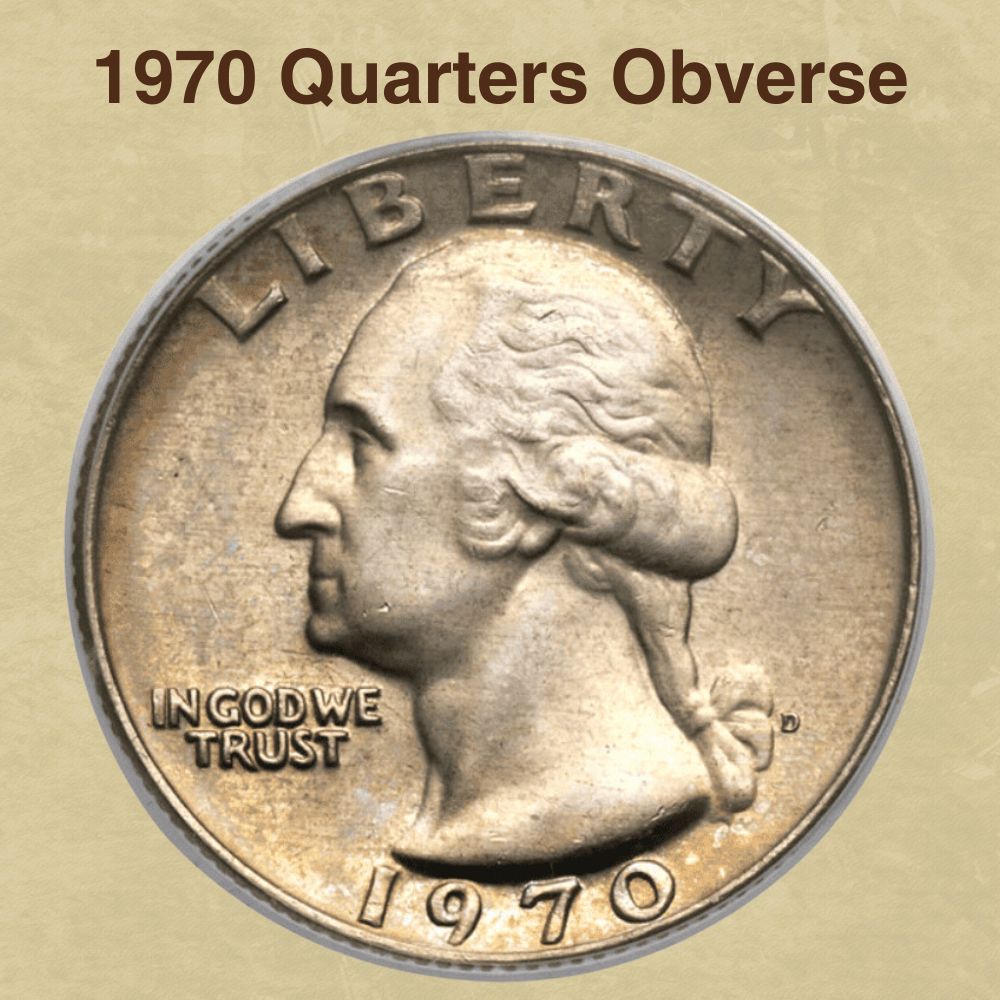
The Obverse of the 1970 Quarter
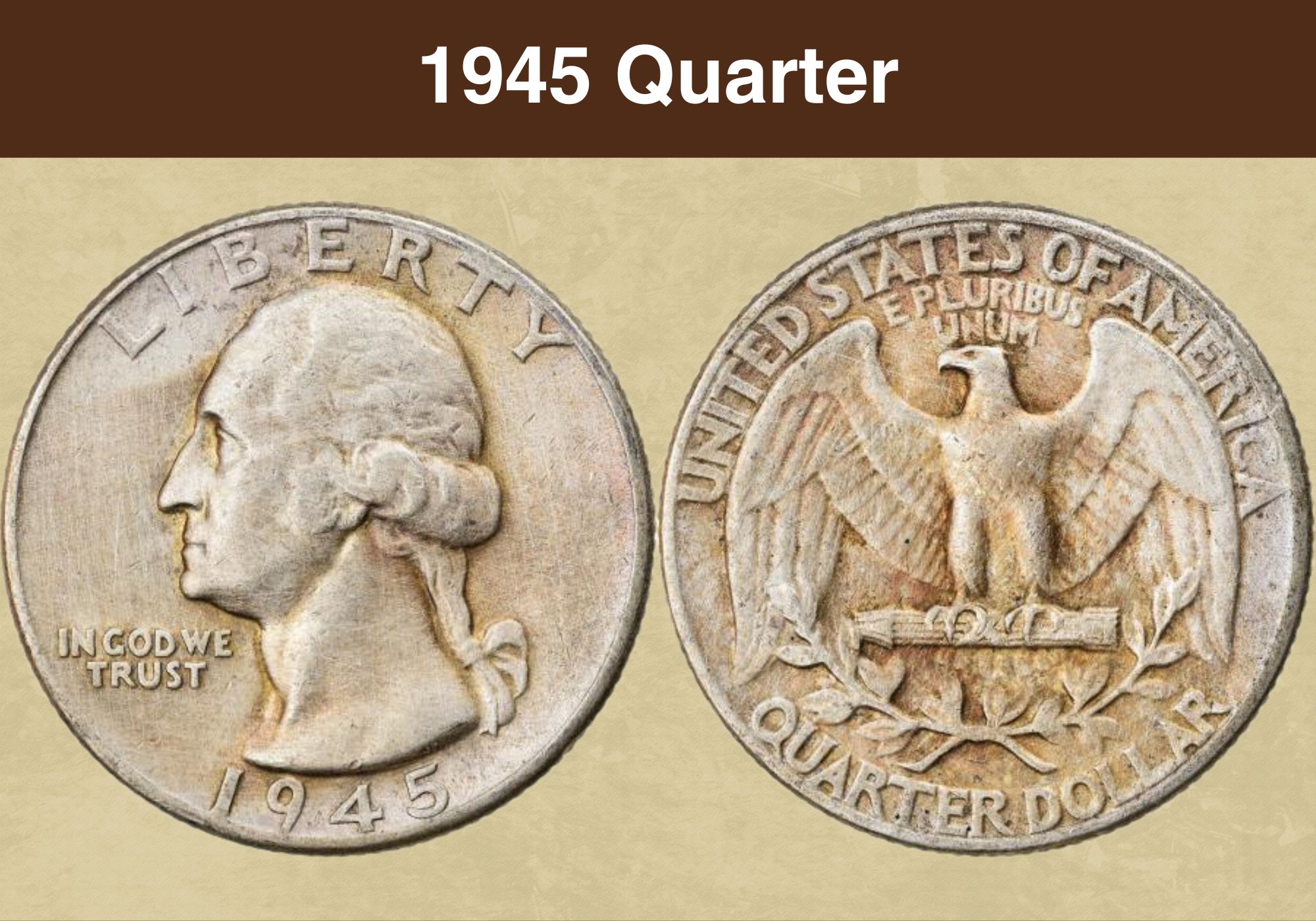
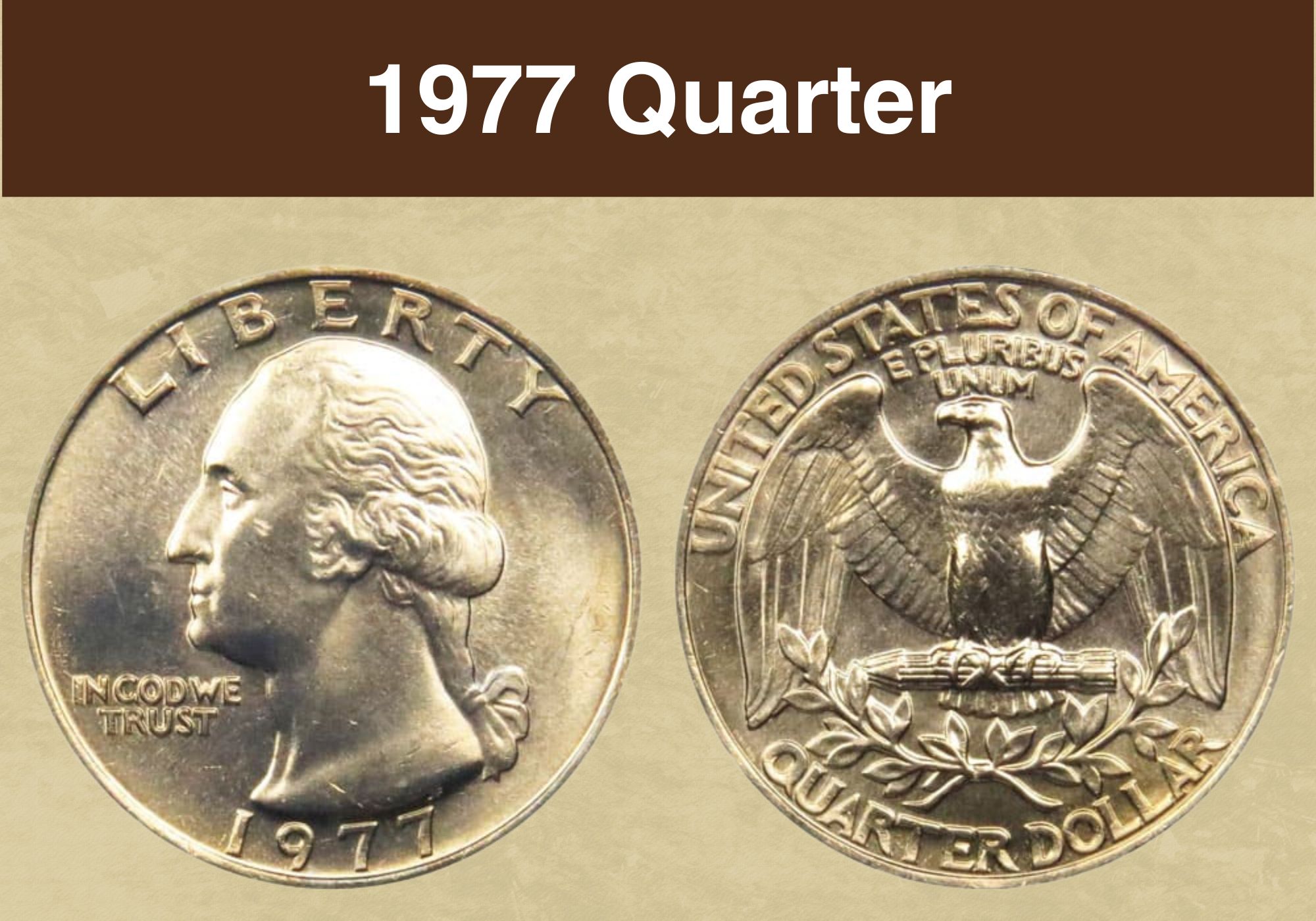
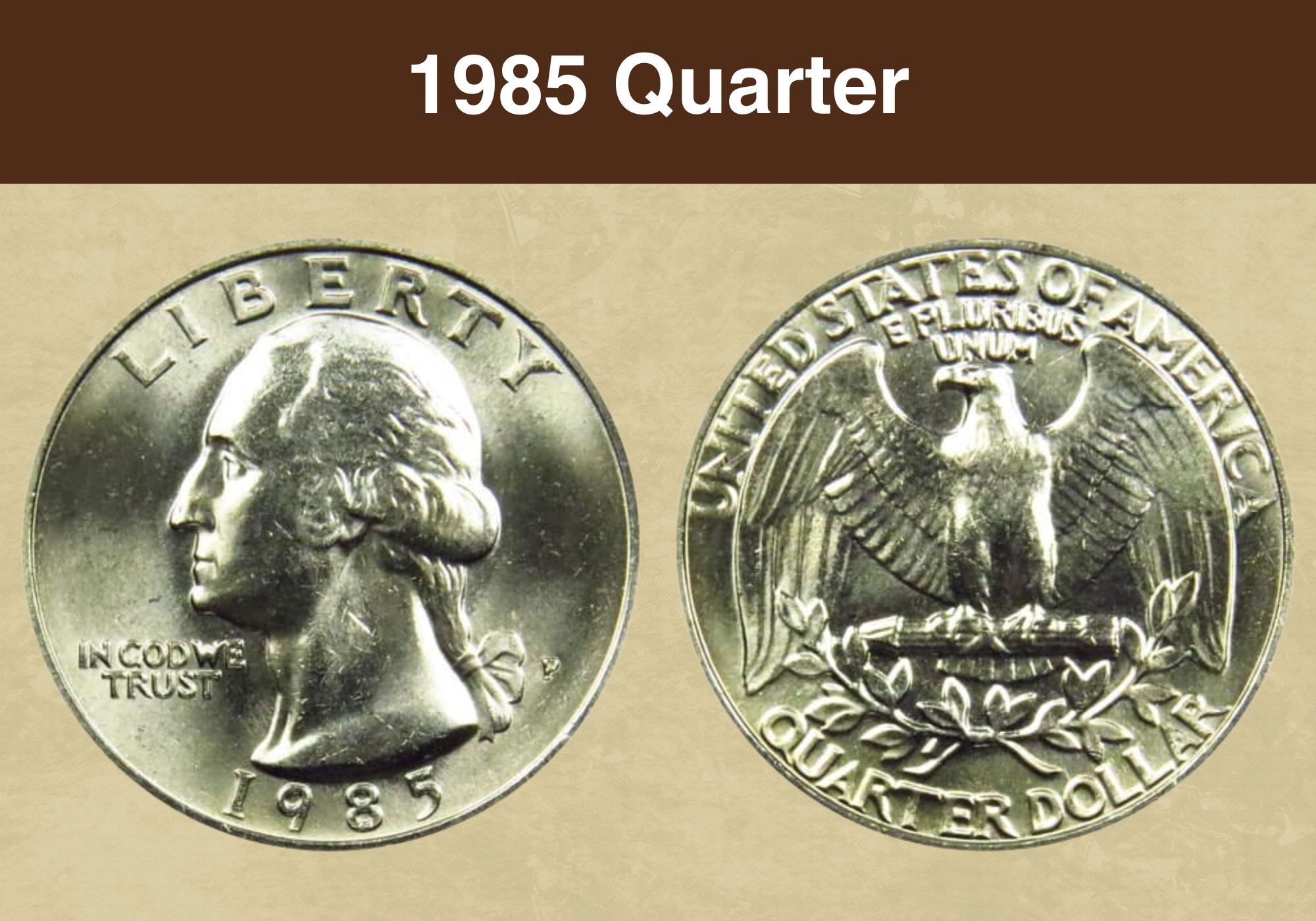
Washington’s bust occupies the center of the obverse, facing left, modeled closely after Houdon’s 1785 sculpture as required by the original design brief. The word LIBERTY arcs above the portrait along the upper rim, while IN GOD WE TRUST appears in small letters just below Washington’s chin.
The year 1970 is engraved at the bottom of the obverse, directly beneath Washington’s neck. When present, the D or S mint mark sits on the obverse, behind the ribbon tied around Washington’s queue — coins with no mint mark were struck at the Philadelphia Mint, which did not add the P designation to quarters until 1980.
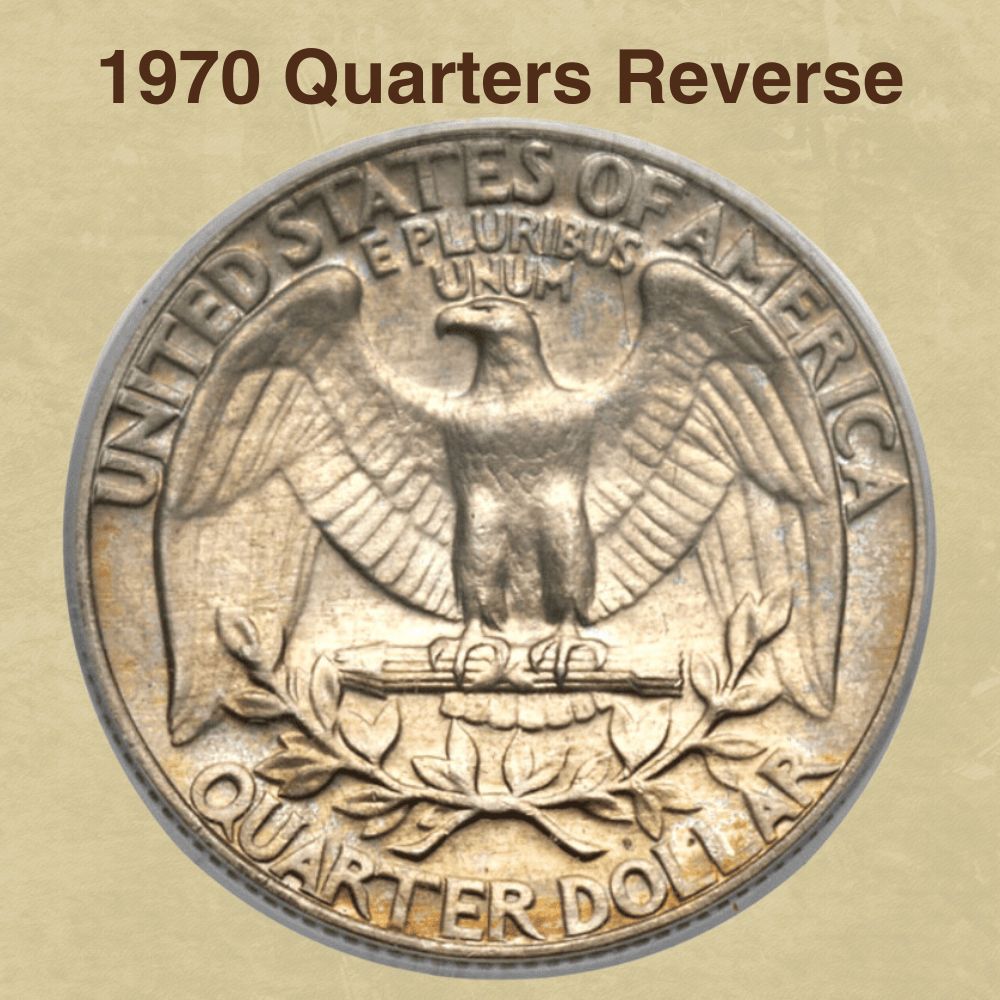
The Reverse of the 1970 Quarter
The reverse features a heraldic eagle with wings spread wide, gripping a bundle of arrows in its right talon and an olive branch in its left. The eagle’s head faces left, mirroring Washington’s portrait on the obverse in a deliberately symmetrical design choice.
UNITED STATES OF AMERICA arcs along the top rim above the eagle, while E PLURIBUS UNUM — the national motto meaning “out of many, one” — appears between the eagle and the country name. The denomination QUARTER DOLLAR is inscribed along the bottom rim, flanked by two crossed olive branches.
Other Features of the 1970 Quarter
The 1970 quarter’s clad composition consists of outer layers of 75% copper and 25% nickel bonded to a pure copper core — you can see this as an orange-red stripe when you look at the coin’s edge, which is the quickest way to confirm a post-1964 clad quarter versus an older silver issue. The overall alloy works out to approximately 91.67% copper by weight.
The coin is round with a reeded edge containing exactly 119 ridges, a diameter of 24.30 mm (0.96 inches), and a thickness of 1.75 mm (0.07 inches). Its weight is 5.67 grams (0.20 ounces) — identical to all other clad Washington quarters. Unlike Jefferson nickels (which carry a Full Steps or FS designation for sharply struck steps on Monticello) or Franklin half dollars (Full Bell Lines or FBL), Washington quarters have no official special strike designation, but well-struck examples with sharp hair detail on Washington and fully defined eagle feathers are preferred by PCGS and NGC graders and can achieve higher certified grades.
Also Read: Top 20 Most Valuable 1776-1976 Bicentennial Quarter
1970 Quarter Value Mintage and Survival Data
1970 Quarter Mintage & Survival Chart
Survival Distribution
| Type | Mintage | Survival | Survival Rate |
|---|---|---|---|
| No Mint | 136,420,000 | 40,926,000 | 30% |
| D | 417,341,364 | 125,202,409 | 30% |
| S Proof | 2,632,810 | unknown | unknown |
| S CAM | 2,632,810 | unknown | unknown |
| S DCAM | 2,632,810 | 1,118,944 | 42.5% |
The 1970 quarter mintage tells an important story about why most examples remain common today. Denver struck 417,341,364 quarters — among the highest single-year totals in all of Washington quarter history — while Philadelphia contributed 136,420,000, pushing the combined business-strike total above 553 million coins.
The San Francisco Mint produced no circulation coins in 1970, focusing exclusively on the collector proof set market. A total of 2,632,810 annual proof sets were sold that year at $5.00 per set, each containing a proof quarter along with a cent, nickel, dime, and half dollar — the careful handling these received from day one explains the approximately 42.5% survival rate among DCAM proof examples, with roughly 1.1 million deep cameo specimens still in existence today.
Also Read: Top 100 Most Valuable Washington Quarter Worth Money (1932 – 1998)
The Easy Way to Find Your 1970 Quarter Value
The 1970 quarters that didn’t spend too long in circulation always command higher prices than worn, heavily used examples. In both cases, the Sheldon grading scale — a 70-point system developed by numismatist Dr. William Sheldon in 1949 and now used by PCGS (Professional Coin Grading Service) and NGC (Numismatic Guaranty Company), the two most respected third-party grading services — determines grade and directly impacts market value.
The most valuable coins are graded Mint State (MS), ranging from MS60 at the low end to the theoretical perfection of MS70 — MS simply means the coin shows absolutely no wear whatsoever. Circulated coins graded from Good (G-4) through About Uncirculated (AU-58) are also collectible, but their prices fall significantly below their uncirculated counterparts, often selling close to face value for lower grades.
Please check our Coin Value Checker App to know your coin’s grade. It’s the necessary step to know the exact value of your coin.

1970 Quarter Value Guide: All Five Varieties Explained
Here are the five types of 1970 quarters:
- 1970 No Mint Mark Quarter (Philadelphia)
- 1970-D Quarter (Denver)
- 1970-S Proof Quarter
- 1970-S CAM Quarter (Cameo Proof)
- 1970-S DCAM Quarter (Deep Cameo Proof)
The 1970 quarter series encompasses five distinct varieties that appeal to different collector interests and budgets. Philadelphia and Denver mint issues represent standard business strikes found in everyday circulation, while San Francisco produced only premium collector-quality proof coins in three tiers of visual quality.

Coin Value Checker App
Not sure what your coins are worth? Get Instant Value • Grade • Error Detection with coin identifier and value app (FREE Usage Daily)
The three San Francisco proof tiers are: a standard proof with fully mirror-like fields; a CAM (Cameo) proof — CAM stands for the same two-tone look as a carved cameo gemstone — with frosted raised design elements against mirror fields; and the premium DCAM (Deep Cameo) proof, called Ultra Cameo by NGC, which shows the most extreme contrast between deeply frosted devices and brilliant mirror backgrounds. DCAM examples are always the rarest and most valuable of the three proof types.
1970 Quarter Value No Mint Mark (Philadelphia)
The 1970 No Mint Mark quarter represents the Philadelphia Mint’s contribution to the year’s circulation coinage, with 136,420,000 coins produced. Because Philadelphia did not add the “P” mint mark to quarters until 1980, the absence of any letter on the obverse is your confirmation these coins came from that facility.
Most examples are common in grades below MS65, but the certified population drops sharply at MS67 and above — PCGS and NGC population data shows fewer than 100 coins typically graded MS67 or higher for this date and mint, making top-grade Philadelphia examples genuinely scarce. A pristine MS67+ specimen sold for $2,160 at auction in 2019, demonstrating that even modest-mintage Philadelphia coins reward patient collectors who find exceptional survivors.
1970 No Mint Mark Quarter Price/Grade Chart
Price by 1-70 Grade (Latest Auction Records Included)
Recent auction records reveal the surprising strength of top-condition 1970 quarters, with MS67 examples reaching four-figure prices depending on market conditions and specific characteristics.
| Date | Platform | Price | Grade |
|---|
Let’s look at how trading activity for 1970 No Mint Mark quarters has fluctuated over the past year:
Market activity: 1970 No Mint Mark Quarter
1970 Quarter Value Denver Mint (1970-D)
The 1970-D quarter stands out as one of the most abundantly produced quarters in U.S. history, with the Denver Mint striking 417,341,364 coins. This massive production run was driven by growing commercial demand in the early 1970s and the ongoing need to replace the silver coins that had vanished from circulation after the 1965 clad changeover.
Despite this enormous mintage, finding high-grade examples proves surprisingly challenging because most coins entered immediate circulation and experienced rapid wear. The “D” mint mark appears on the obverse behind Washington’s ribbon — and top-grade survivors are extraordinarily rare: an extraordinary MS69 example realized $15,000 at Heritage Auctions in 2023, while an MS68 specimen commanded $3,960, showing how dramatically grade affects value at the extreme end of the scale.
1970-D Quarter Price/Grade Chart
Price by 1-70 Grade (Latest Auction Records Included)
Recent auction records reveal how even small grade differences can significantly impact values, with MS68 specimens commanding premium prices.
| Date | Platform | Price | Grade |
|---|
Market activity for 1970-D quarters shows more volatility, with a major spike in March and another surge building through summer 2025:
Market activity: 1970-D Quarter
1970 Quarter Value — San Francisco Proof (1970-S)
The 1970-S proof quarter was produced exclusively for collectors at the San Francisco Mint, which had ceased circulation coinage in 1968. These coins were sold in annual proof sets priced at $5.00 — a set that also contained a proof cent, nickel, dime, and half dollar — ensuring careful collector handling from the moment of purchase.
Proof coins are made using a specialized process: polished planchets (coin blanks) are struck at least twice using specially prepared dies, which creates the highly reflective mirror-like fields and razor-sharp device detail that distinguishes a proof from a regular business strike. The “S” mint mark on the obverse, positioned behind Washington’s ribbon, confirms San Francisco production.
1970-S Proof Quarter Price/Grade Chart
Price by 1-70 Grade (Latest Auction Records Included)
The auction records demonstrate the coin’s accessibility, with most examples trading in the modest $7–$55 range across various grades.
| Date | Platform | Price | Grade |
|---|
The 1970-S proof quarters show even more dramatic swings in market activity, with March hitting peak before settling into a summer rally:
Market activity:1970-S Proof Quarter
1970 Quarter Value — Cameo Proof (1970-S CAM)
The 1970-S CAM quarter earns its designation from the visible contrast between the frosted raised design elements — called “devices” in numismatic terms — and the mirror-polished background fields. CAM is short for Cameo, named after the two-toned carved gemstones that the look resembles.
Not every proof qualifies: PCGS and NGC only award the CAM designation to coins where the frosting is clearly visible and consistent across the design. This frost develops when the die’s raised areas acquire a satiny texture from intense striking pressure, while the recessed field areas remain reflective like a mirror.
The frosting is strongest on coins struck early in a die’s life, before repeated use wears away the delicate surface texture — meaning early strikes from a fresh proof die are far more likely to earn CAM or DCAM designations than later strikes from the same die. Only a fraction of the total 2,632,810 proof quarters struck in 1970 show sufficient contrast to qualify for the CAM tier.
While all 1970-S proofs were made with exceptional care, only those exhibiting sufficient cameo contrast earn this special designation from professional grading services, creating a distinct and more coveted collecting tier within an already premium series.
1970-S CAM Quarter Price/Grade Chart
Price by 1-70 Grade (Latest Auction Records Included)
Recent auction records show CAM examples commanding solid premiums over regular proofs, with prices ranging from $7 to $960 depending on grade and market conditions. A notable PR66 CAM specimen brought $1,553 at auction in 2006, demonstrating the premium the market places on high-grade cameo contrast.
| Date | Platform | Price | Grade |
|---|
Market activity reveals steady collector demand, with notable peaks during spring and late summer months when proof set collectors are most active in the marketplace.
Market activity: 1970-S CAM Quarter
1970 Quarter Value — Deep Cameo Proof (1970-S DCAM)
The 1970-S DCAM quarter represents the pinnacle of proof coin quality for this year — DCAM stands for Deep Cameo (NGC uses the equivalent term “Ultra Cameo”) and requires the most extreme possible contrast between deeply frosted devices and brilliant mirror fields, giving the coin an almost three-dimensional sculptural appearance.
This designation demands even more stringent standards than the regular CAM grade, with PCGS and NGC requiring that the frosting be deep, complete, and fully consistent across every element of the design. Only coins struck from the very first impressions of a freshly prepared die achieve this level of quality.
The DCAM finish results from the combination of perfectly polished fields and maximum die frost — a condition that quickly diminishes as a die wears with use. With an approximate survival rate of 42.5%, roughly 1.1 million DCAM examples still exist from the original 2,632,810 proof mintage, a relatively high survival figure that reflects the extraordinary care collectors gave these coins from day one.
1970-S DCAM Quarter Price/Grade Chart
Price by 1-70 Grade (Latest Auction Records Included)
Auction records show DCAM examples consistently commanding premium prices, with sales ranging from $60 to over $640 depending on grade and market timing. The top recorded auction result for this variety is a PR69 DCAM that realized $2,760 in 2007, underscoring the premium the market places on perfect deep cameo surfaces.
| Date | Platform | Price | Grade |
|---|
The 1970-S DCAM quarters follow a stable pattern with March dominating activity, then stabilizing at higher levels through the summer:
Market activity: 1970-S DCAM Quarter
Also Read: What Quarters Are Worth Money
Rare 1970 Quarter Value Errors: Complete Error Coin List
While most 1970 quarters are common, certain error varieties can be worth significantly more than face value. These minting mistakes occurred during production at Philadelphia, Denver, and San Francisco facilities, creating unique coins that error coin specialists and variety collectors actively seek. From doubled dies to off-center strikes, these error coins represent some of the most valuable 1970 quarters in today’s marketplace.
1. 1970-D DDO Errors (FS-101 And FS-102)
The 1970-D DDO (Doubled Die Obverse) quarter features noticeable doubling on the obverse design elements, created when the hub — the master die — transferred a slightly misaligned second impression onto the working die during manufacture. Every coin struck by that working die then shows the doubled image, making DDO errors reproducible varieties rather than one-of-a-kind accidents.
Two major varieties are recognized: FS-101 (the FS prefix refers to the Cherrypickers’ Guide variety numbering system) shows pronounced doubling in the date and IN GOD WE TRUST, while FS-102 displays subtler but still visible doubling primarily in the date digits. Both command significant premiums — FS-101 is the more dramatic and valuable of the two, with an MS65-graded example sold by Heritage Auctions in 2012 realizing $2,875.
1970-D DDO (FS-101) Price/Grade Chart
Price by 1-70 Grade (Latest Auction Records Included)
2. 1970-D DDR Errors (FS-801 And FS-802)
The 1970-D DDR (Doubled Die Reverse) quarter exhibits noticeable doubling on the reverse design elements, particularly around the eagle’s details and the surrounding lettering. DDR means the doubling occurred on the reverse working die rather than the obverse, affecting the eagle and inscriptions instead of Washington’s portrait.

Coin Value Checker App
Not sure what your coins are worth? Get Instant Value • Grade • Error Detection with coin identifier and value app (FREE Usage Daily)
Two primary varieties are catalogued: FS-801 displays strong doubling in UNITED STATES OF AMERICA and the eagle’s feather detail, while FS-802 shows more subtle doubling concentrated in the denomination QUARTER DOLLAR. An MS63 DDR example realized $2,640 at auction in 2014, and an MS66 specimen brought $1,540 the same year — making DDR varieties competitive with their obverse counterparts when found in higher grades.
1970-D DDR (FS-801) Price/Grade Chart
Price by 1-70 Grade (Latest Auction Records Included)
3. 1970 Off-Center Strike Errors
Off-center strikes occur when a planchet (coin blank) is not properly seated in the retaining collar before the dies come together, causing the design to be displaced off-center on the finished coin. The most valuable examples are those where the off-centering is dramatic (20% or more) while the date remains fully visible — the date is what collectors need to attribute the coin to 1970 specifically.
A 1970 quarter struck 20–30% off-center with a visible date typically sells for $50–$150 in circulated condition, while dramatic 40–50% off-center examples with a clear date can exceed $200 at specialized error coin auctions. Both Philadelphia and Denver mint issues are known with this error type.
4. 1970 Broadstrike Errors
A broadstrike error happens when a coin is struck outside its retaining collar, allowing the metal to spread outward freely without the usual boundary that creates the reeded edge. The result is a coin noticeably larger in diameter than a normal quarter, with a smooth rather than reeded edge and slightly flattened relief across the design.
Broadstrike 1970 quarters typically sell for $30–$100 depending on the degree of metal spreading and the coin’s overall surface quality. These are popular with beginning error collectors because they are immediately recognizable without magnification — even a quick visual comparison to a normal quarter reveals the broader, flattened profile.
5. 1970 Clipped Planchet Errors
Clipped planchet errors occur when the metal strip used to punch out coin blanks overlaps a previously punched hole, resulting in a blank — and then a finished coin — with a curved or straight section missing from its edge. The clip size ranges from a minor nick to a large bite representing 10–15% of the coin’s surface area.
Clipped 1970 quarters sell for $20–$75 depending on the clip’s size and type, with larger clips commanding higher premiums. Straight clips — produced when the strip’s feed edge creates the overlap — are rarer than the more common curved clips and generally bring more money at auction.
Also Read: 20 Rare Washington Quarter Errors Worth Money (Full List with Pictures)
Maximize Your 1970 Quarter Value: Best Places to Sell
Now that you know the value of your coins, do you know where to sell those coins online easily? Don’t worry, I’ve compiled a list of these sites, including their introduction, pros, and cons.
Check out now: Best Places To Sell Coins Online (Pros & Cons)
1970 Quarter Value Market Trend
Market Interest Trend Chart - 1970 Quarter
*Market Trend Chart showing the number of people paying attention to this coin.
FAQ: 1970 Quarter Value — 10 Common Questions Answered
1. What makes a 1970 quarter rare or valuable?
Most 1970 quarters are not rare — over 553 million business-strike coins were produced between Philadelphia and Denver. A 1970 quarter becomes rare and valuable through one of three factors: exceptional uncirculated preservation in grades of MS67 or higher (where certified population often drops below 100 examples), a recognized error variety such as the 1970-D DDO FS-101 or DDR FS-801, or a combination of both factors at once. The record-setting 1970-D MS69 — which sold for $15,000 at Heritage Auctions in 2023 — shows how dramatically condition alone can push value even on a common-date coin.
2. Which 1970 quarters have sold for the most money at auction?
The top recorded auction results for 1970 quarters are:
- 1970-D MS69 — $15,000 (Heritage Auctions, 2023)
- 1970-D MS65 DDO (FS-101) — $2,875 (Heritage Auctions, 2012)
- 1970-S PR69 DCAM — $2,760 (2007)
- 1970-D MS63 DDR — $2,640 (2014)
- 1970 MS67+ — $2,160 (2019)
- 1970-S PR66 CAM — $1,553 (2006)
- 1970-D MS66 DDR — $1,540 (2014)
- 1970-S PR69 Proof — $110 (2003)
3. How much is a 1970 No Mint Mark quarter worth in circulated condition?
In heavily circulated condition (Good through Very Fine grades), most 1970 Philadelphia quarters are worth only face value — 25 cents. Lightly worn examples in Fine through About Uncirculated grades typically bring $0.25–$1.00. Uncirculated examples range from about $1.00 at MS60 to $260–$310 at MS67, and exceptional MS67+ specimens have exceeded $2,000 at major auction houses. The key is the grade: anything below MS65 rarely trades above a dollar or two.
4. What are the all-time Washington quarter series auction records?
The Washington quarter series spans from 1932 to 1998 for the regular design, and its most valuable coins are all early-date key issues where low mintage meets high collector demand:
- $143,750 — 1932-D MS66 (January 2008)
- $45,500 — 1932-S MS66 (March 2020)
- $43,475 — 1949-D MS68 (June 2019)
- $43,200 — 1978 MS68+ (March 2021)
- $40,250 — 1932 MS67 (April 2012)
5. How do I spot a doubled die error on a 1970 quarter?
To identify a doubled die, examine the obverse under a 5x–10x magnifying loupe and focus on the date digits and the words IN GOD WE TRUST. On the valuable FS-101 variety, you will see a clear offset shadow or ghost image — a second impression slightly displaced from the primary lettering and numbers — in both the date and the motto. True doubled die errors look like blurred or double-stamped text when magnified; do not confuse this with machine doubling (MD), which shows as a flat, shelf-like displacement of the metal with no additional detail. Only a genuine doubled die hub error like FS-101 commands the hundreds-of-dollars premium that error collectors pay.
6. What is the difference between CAM and DCAM on a 1970-S proof quarter?
CAM (Cameo) and DCAM (Deep Cameo) describe the degree of visual contrast between the frosted design elements and the mirror-polished fields on a proof coin. CAM requires clearly visible frosting that creates a two-toned effect — the portrait and lettering appear white and satiny while the background mirrors like glass. DCAM demands an even deeper, more dramatic frost that makes the design elements appear almost three-dimensional. NGC uses the term “Ultra Cameo” instead of DCAM, but both describe the same top-tier designation. DCAM coins are always rarer and more expensive than CAM or plain proof examples at the same grade level.
7. Is a 1970 quarter made of silver or copper?
No — 1970 quarters contain zero silver. The last silver Washington quarters were struck in 1964, using 90% silver and 10% copper. The Coinage Act of 1965, signed by President Lyndon B. Johnson on July 23, 1965, removed silver from dimes and quarters entirely. The 1970 quarter is made of outer layers of 75% copper and 25% nickel bonded to a pure copper core, for an overall composition of about 91.67% copper. The easiest confirmation: look at the coin’s edge — a visible copper-colored stripe with no silver band means it is a clad coin with no precious metal content.
8. What does MS67 or MS68 mean, and why does it change my 1970 quarter’s value so dramatically?
MS stands for Mint State, meaning the coin shows absolutely no wear at all — every original surface is intact from the day it was struck. The Sheldon grading scale runs from MS60 (lowest Mint State, with many contact marks) to MS70 (theoretical flawless perfection). MS67 indicates a coin with exceptional eye appeal, strong original luster, and virtually no contact marks visible to the naked eye. MS68 means near-flawless surfaces where only the most minor imperfections are detectable under high magnification. Because so few 1970 quarters survived handling without any damage, certified MS67 and MS68 examples are genuinely rare — and that scarcity drives prices from a few dollars at MS64 to thousands of dollars at MS68.
9. Are 1970 quarter error coins worth significantly more than regular examples?
Yes — error coins almost always command large premiums over standard coins of the same date and grade. A regular 1970-D MS65 quarter is worth roughly $15–$40, but a 1970-D DDO FS-101 in MS65 sold for $2,875 — a premium of over 7,000% for the error designation alone. Off-center strikes (15% or more, with visible date) bring $50–$200 depending on severity, while broadstrike errors fetch $30–$100. The key factors driving error premiums are visual impact (how obvious the error is), grade (higher grades bring exponentially more), and rarity of the specific error type.
10. How many 1970 proof quarters were made, and does the mintage affect their value?
The San Francisco Mint struck 2,632,810 proof quarters in 1970, all sold as part of $5.00 annual proof sets. While that sounds plentiful, the three proof designations — standard proof, CAM, and DCAM — represent distinct quality tiers within that total. The DCAM (Deep Cameo) coins are the scarcest subset because the deepest frost only appears on coins struck from fresh dies at the very start of a die’s life, before use degrades the surface. Standard PR65–PR67 examples sell for just $7–$55, while a PR69 DCAM specimen realized $2,760 — proof that quality, not just mintage, separates the common from the valuable within even a relatively abundant proof issue.