Coin Value Contents Table
- 1943 nickel value Chart
- History of the 1944 Jefferson Nickel
- 1944 Jefferson nickel Types
- Features of the 1944 Jefferson Nickel
- 1944 Jefferson Nickel Grading
- 1944 Jefferson Nickel Value Guides
- 1944 P Jefferson nickel value
- 1944 D Jefferson nickel value
- 1944 S Jefferson nickel value
- Rare 1944 Jefferson Nickel Errors List
- Where to Sell Your 1944 Jefferson Nickel ?
- FAQ about the 1944 Jefferson Nickel Value
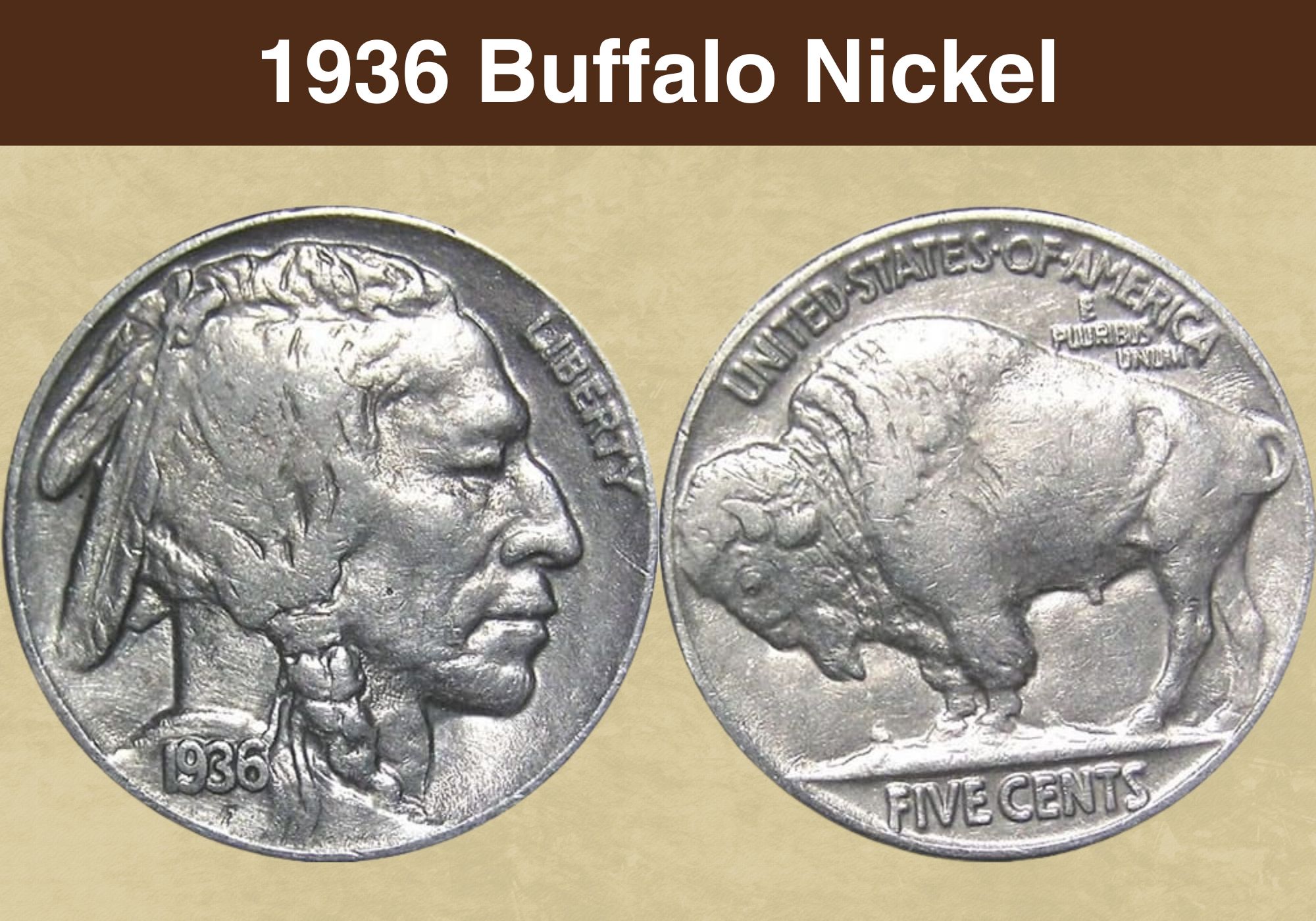
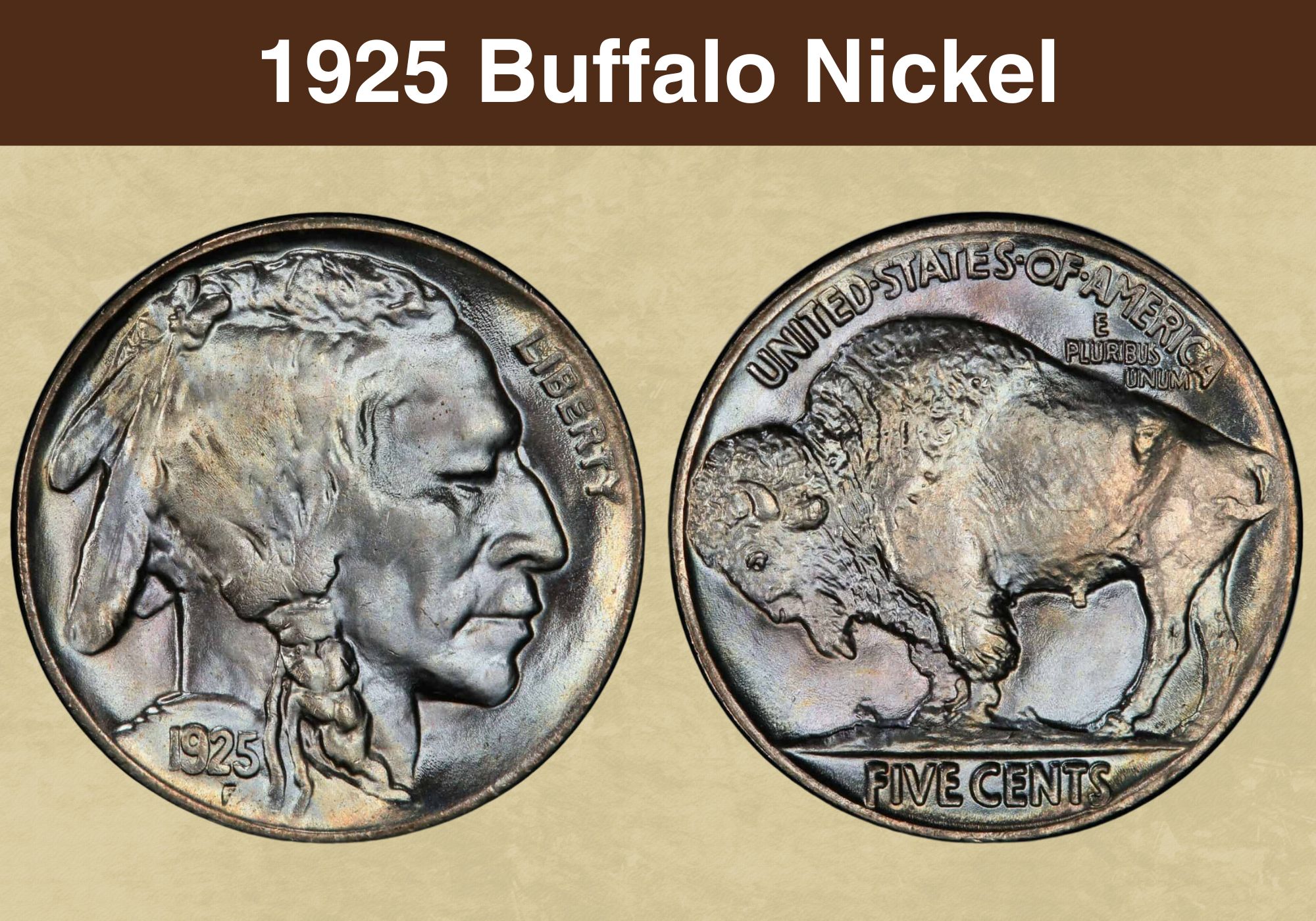
The US Mint couldn’t wait to stop minting Buffalo nickels after 25 years because of problems they made during the production process. The first Jefferson nickels appeared in 1938 and have stayed actual until the present.
Even though these coins are modern and often inexpensive, that is not always the case. For instance, the 1944 nickel value can be significant for beautiful coins in the highest grades. It is particularly a case with those showing Full Steps on the reverse since only rare pieces have the original planned design.
1943 nickel value Chart |
|||
| Condition | 1944 P nickel | 1944 S nickel | 1944 D nickel |
| Good | $1.89 | $1.89 | $1.89 |
| Very good | $2.48 | $2.48 | $2.48 |
| Fine | $3.06 | $3.06 | $3.06 |
| Very fine | $3.86 | $3.86 | $3.86 |
| Extra fine | $4.11 | $4.11 | $4.11 |
| AU | $5.36 | $5.99 | $5.36 |
| MS 60 | $8.80 | $7.54 | $8.80 |
| MS 65 | $36 | $25 | $36 |
History of the 1944 Jefferson Nickel
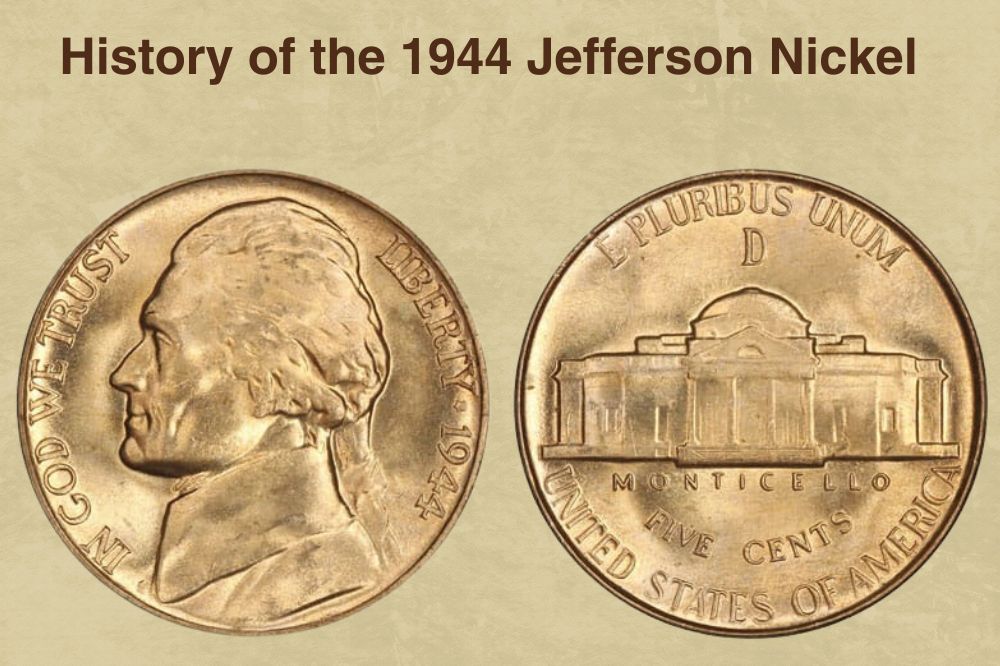
Jefferson nickels were released into circulation in 1938 for the first time and have stayed official five-cent coins until today. Their minting started due to the great respect and admiration President Franklin D. Roosevelt had for his predecessor, Thomas Jefferson.
1944 Jefferson nickel Types |
||
| Location | Year | Minted |
| Philadelphia | 1944 P nickel | 119,150,000 |
| San Francisco | 1944 S nickel | 21,640,000 |
| Denver | 1944 D nickel | 32,309,000 |
| Total | / | 173,099,000 |
Felix Schlag’s design won among 390 other pieces of work. After making a few changes to the Monticello appearance, this design stayed in use for the following 60 years.
The only exceptions were nickels minted during WWII so that you can notice different compositions among those from 1944. Despite the name, these coins didn’t contain nickel at all. Besides, pieces from Philadelphia had the letter P on the reverse, which was a curiosity in those times.
Also read: Top 10 Most Valuable Nickels Worth Money
Features of the 1944 Jefferson Nickel
The first Jefferson nickels appeared in 1938 to replace the hard-to-mint Buffalo nickels. The original Felix Schlag’s design was actual until the 21st century when the US Mint decided to make some changes in these coins’ appearance.
The 1944 Jefferson nickels are a part of a sub-series well-known as Wartime Nickels minted from mid-1942 to 1945. These coins had a unique composition because of the nickel shortage during the war.
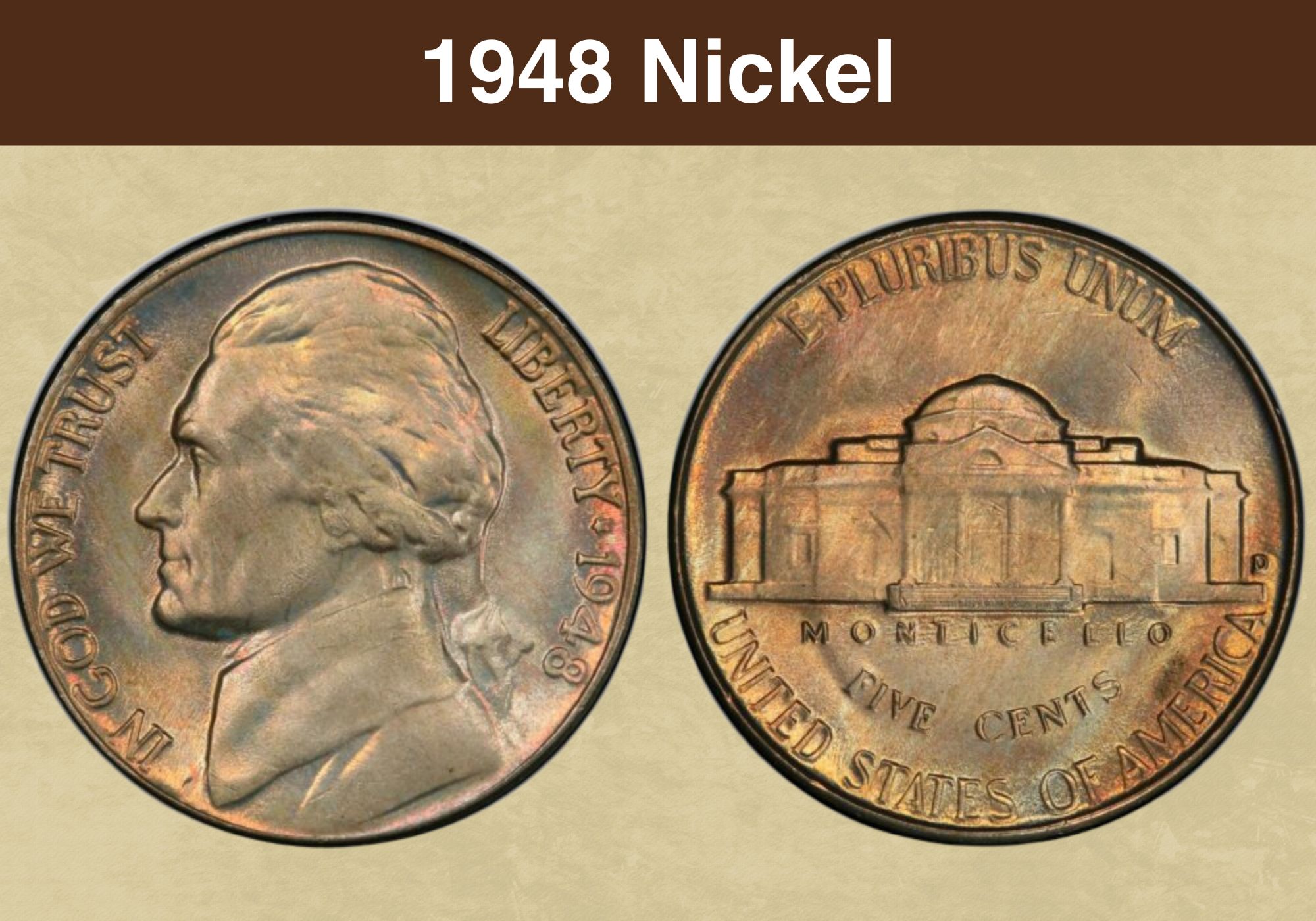
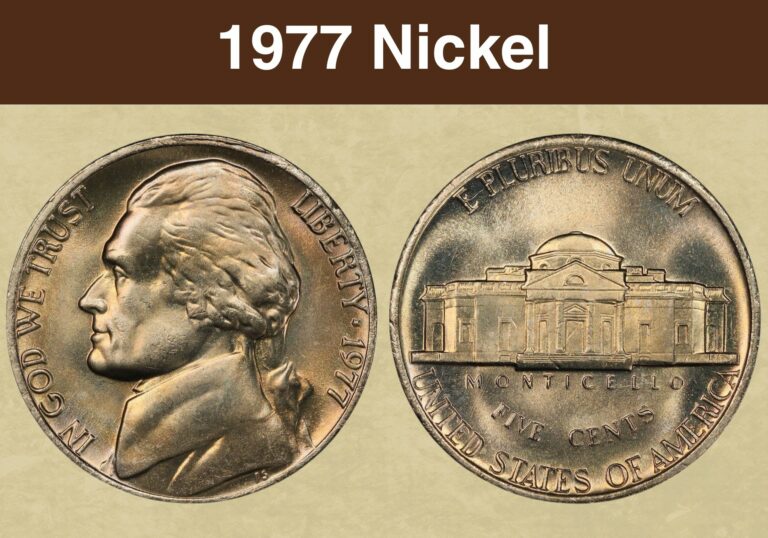
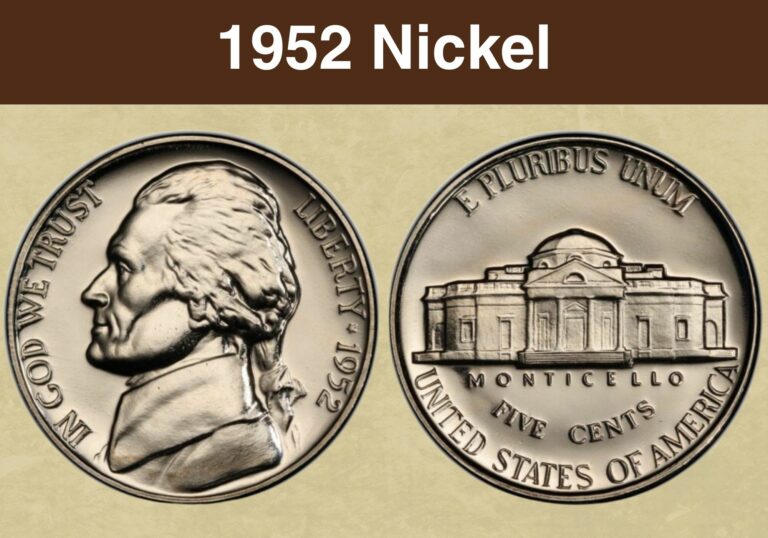
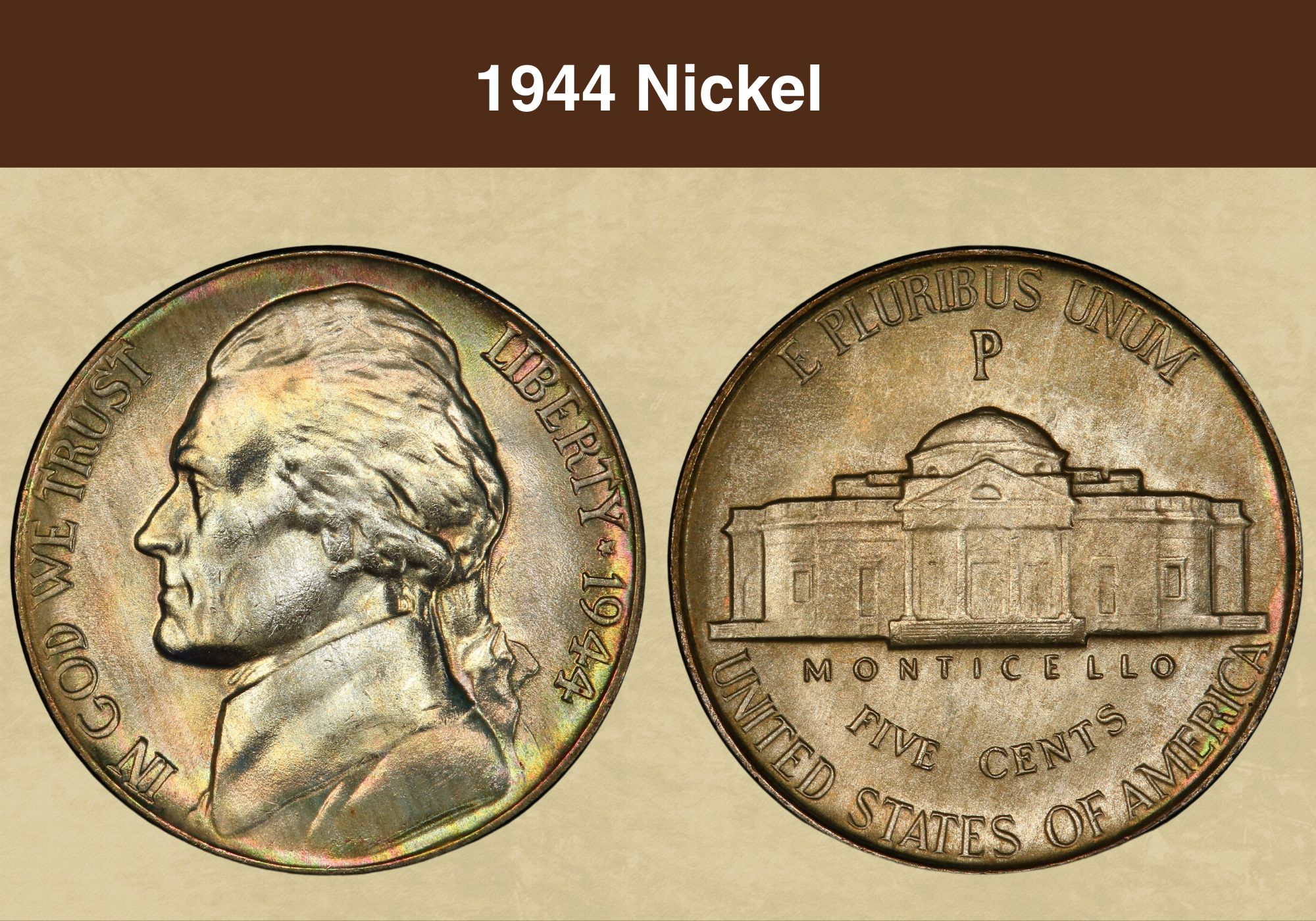
The obverse of the 1944 Jefferson nickel
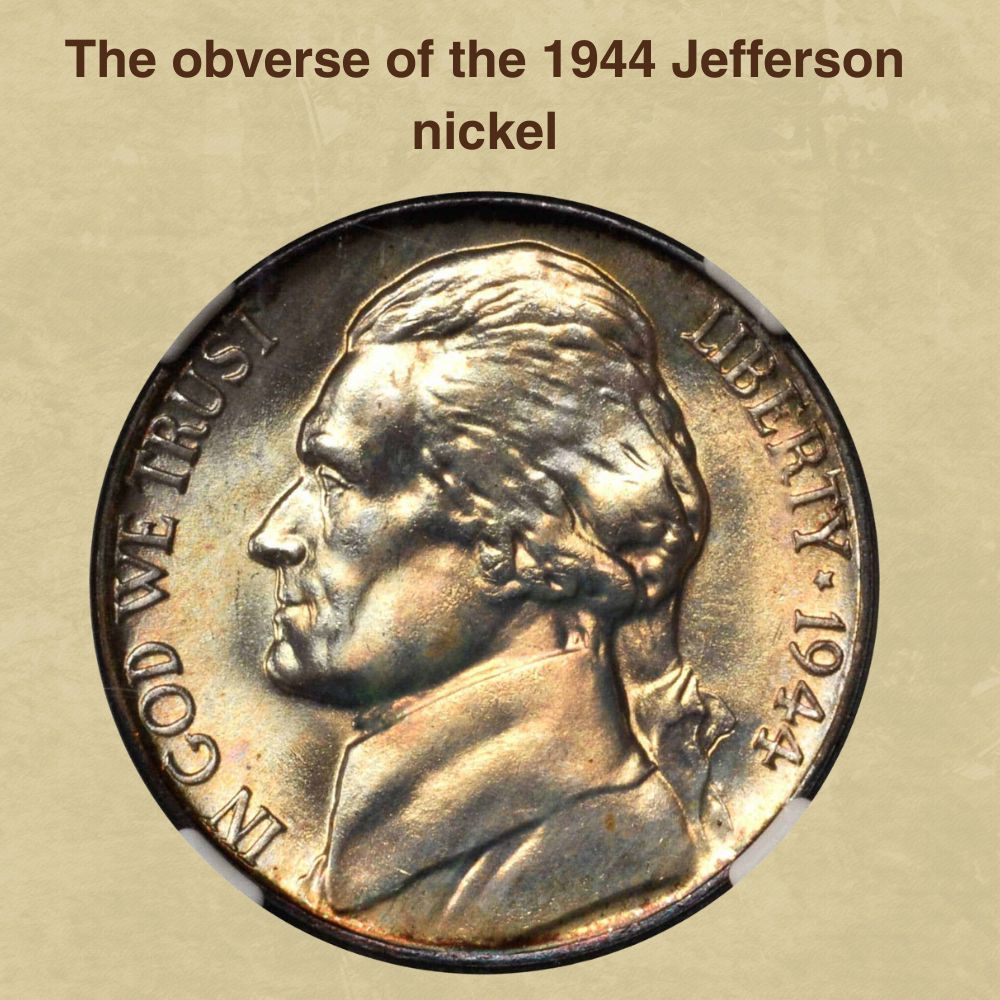
These coins were dedicated to Thomas Jefferson, the third US President, and you can see his portrait in the center. The simple design shows him wearing a coat with an unusually wide collar, modern in those times.
Behind his hairstyle with a low ponytail is the word LIBERTY. Below is the minting year, 1944, separated by a star. In front of the President’s portrait is a well-known American motto, IN GOD WE TRUST, symbolizing the unity of 13 states forming one powerful country.
The reverse of the 1944 Jefferson nickel
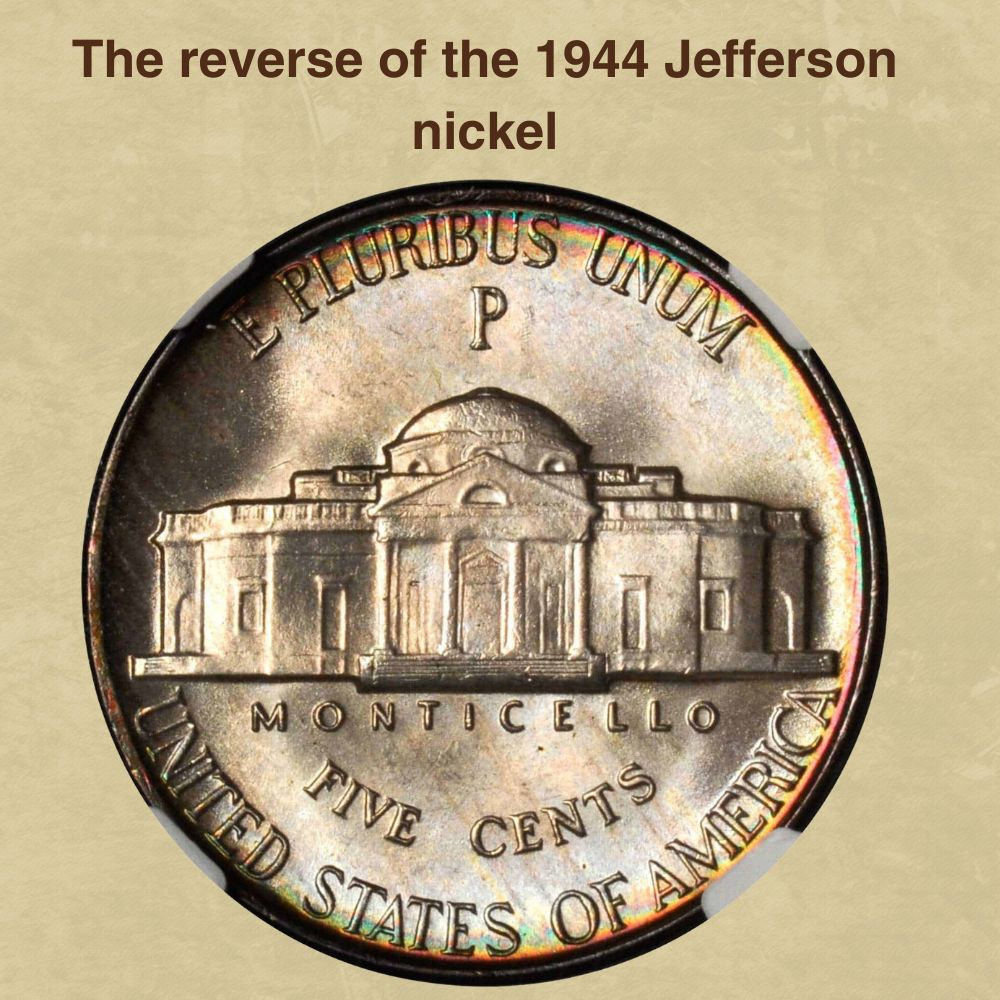
The coin reverse is reserved for the renowned Jefferson’s mansion, Monticello. It was built on a plantation of 5,000 acres (20.23 km2) in the Piedmont region, Virginia.
You should pay particular attention to the staircases leading to the front entrance because their number directly affects each coin’s value. Below are the building name, denomination, and the name of the country, while E PLURIBUS UNUM is above the dome.
War nickels have a mint mark between the motto and the dome. You can recognize a letter S, D, and even P for the mint in Philadelphia.
1944 Jefferson nickel Details |
|
| Face value | Five cents ($0.05) |
| Shape | Round |
| Compound | Copper – silver – manganese in a 56%: 35%: 9% ratio |
| Silver weight | 0.05625 troy ounces (1.75 g) |
| Coin thickness | 0.07677 inches (1.95 mm) |
| Coin weight | 0.16075 troy ounces (5 g) |
| Coin diameter | 0.83504 inches (21.2 mm) |
| Edge | Plain |
Other features of the 1944 Jefferson nickel
The 1944 Jefferson nickel has a face value of five cents and a plain edge. A third of this coin, or 0.05625 troy ounces (1.75 g), is silver with 56% copper and some manganese.
The total coin weight is 0.16075 troy ounces (5 g). You can expect to measure a diameter of 0.83504 inches (21.2 mm) and a thickness of 0.07677 inches (1.95 mm).
Also read: Top 17 Most Valuable Buffalo Nickel Worth Money
1944 Jefferson Nickel Grading
The best thing to do is to grade your 1944 Jefferson nickel before offering it at an auction. While coins with a grade under GOOD are practically worthless, better rating ones cost more than their face value.
As expected, the costliest pieces are those in the mint state. It is possible to recognize coins with quality ranging from MS 60 to MS 70 grade. Even the slightest differences in their look can drastically change prices, making professional evaluation crucial.
| # | Grade |
|---|---|
| 1 | Basal State-1 |
| 2 | Fair |
| 3 | Very Fair |
| 4, 5, 6 | Good |
| 7, 8, 10 | Very Good |
| 12, 15 | Fine |
| 20, 30 | Very Fine |
| 40 | Extremely Fine |
| 50 | About Uncirculated |
| 60 | Mint State |
| 65 | Mint State |
| 70 | Mint State |
Please check our grading guides to know your coin scale, It’s the necessary step to know the exact value of your coin.
Check out now: How to Grade Jefferson Nickel?
1944 Jefferson Nickel Value Guides
Three mints produced 173,099,000 Jefferson nickels from regular strikes in 1944 without proofs. Most coins came from Philadelphia, while the mint in San Francisco had the lowest mintage this year. These coins are an excellent option for collectors on a budget since most are affordable even in the mint state.
1944 P Jefferson nickel value
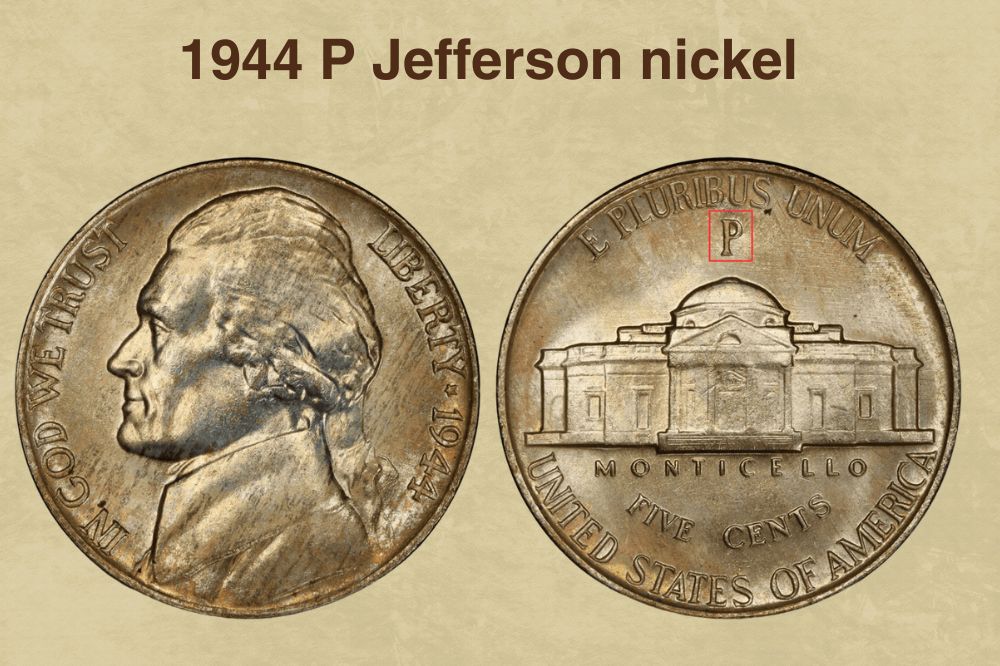
The Philadelphia mint had by far the highest mintage of the 1944 nickels. It released 119,150,000 coins in public that year and only a small part has stayed safe and in the mint state by now.
Circulated coins often cost $1.25 to $3, while you can buy specimens that never spent a minute in circulation for $7 to $110. On the other hand, perfectly-looking nickels in MS 67+ grade are rare and can be worth about $360.
Besides regularly-looking coins, finding those with Full Steps that are more collectible is possible. Their estimated prices are:
- $28 for FS nickels in MS 64 grade
- $65 for FS nickels in MS 65 grade
- $110 for FS nickels in MS 66 grade
- $725 for FS nickels in MS 67 grade
As for auction records, the most expensive Jefferson nickel minted in Philadelphia in 1944 is the MS 60-graded coin. Its auction price from 2011 is $7,475. The best-paid specimen with Full Steps is the MS 67+ ranked nickel. It won an auction record of $9,400 in 2014.
1944 D Jefferson nickel value
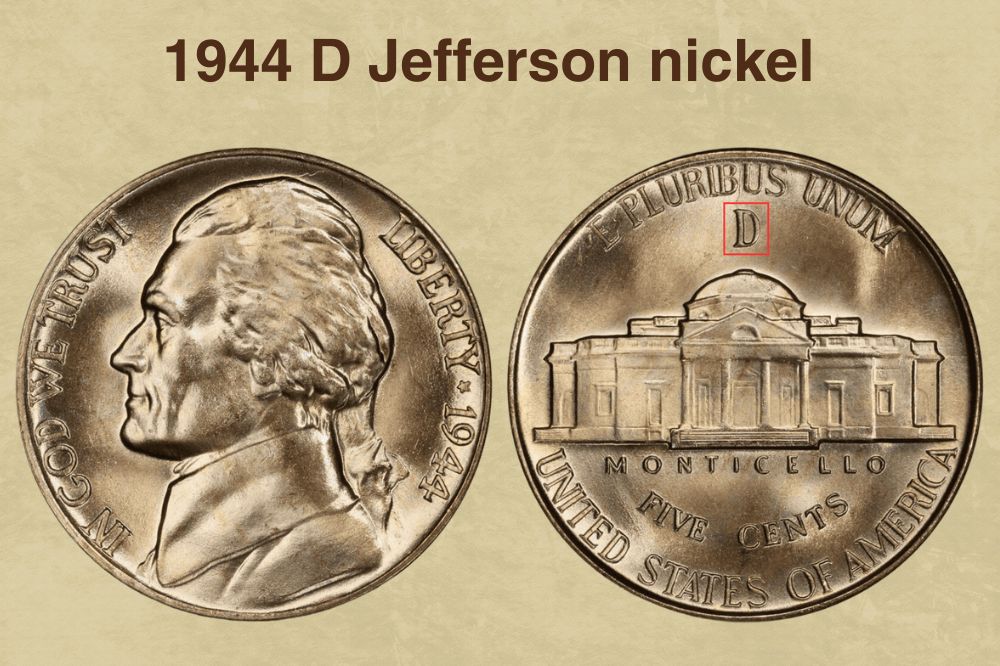
The mint in Denver released 32,309,000 nickels with the sizable D letter on the reverse in 1944. These coins made of atypical alloy for nickels are relatively inexpensive today, and you can purchase one in circulated condition for $1.25 to $4.25.
Specimens in the mint state are a bit more expensive, and you need $6 to $215 to add one to your collection. Expectedly, pieces with Full Steps (five to six visible steps in front of Monticello) are worth more. Their estimated price range is:
- MS 64-rated coins cost $30
- MS 65-rated coins cost $38
- MS 66-rated coins cost $50
- MS 67-rated coins cost $200
Unlike these relatively modest prices for 80-year-old coins, superb specimens in MS 68 grade with Full Steps have an assessed price of $6,350. Although this price seems high for a nickel, the auction record is much higher. One rare, perfectly-looked coin minted this year with Full Steps sold at $22,325 in 2012.
1944 S Jefferson nickel value
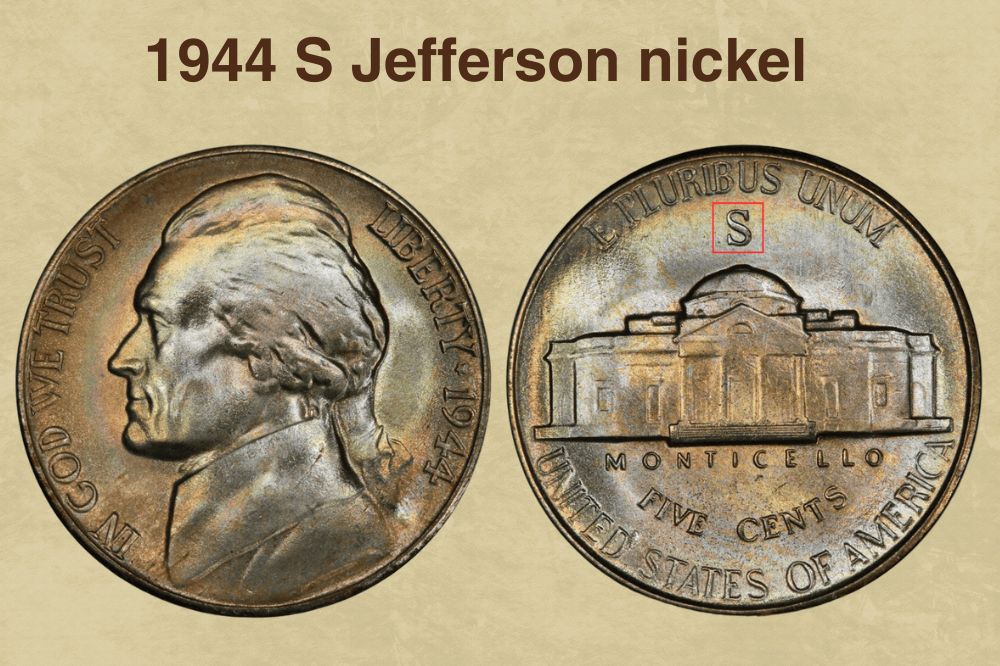
The lowest mintage in 1944 had the mint in San Francisco, but it still produced a respectful number of 21,640,000 nickels. Thanks to that, prices for circulated pieces range from $1.25 to $4.
Even coins in the mint state are affordable for most collectors who need to pay $6 to $150 for a decent piece. However, the best-ranking nickels (MS 68) are estimated to be approximately $1,400.
One of the rarest 1944 S MS 68+ Jefferson nickels appeared in an auction in 2021. Its price was unexpectedly high for this coin type, $6,169.
Expectedly, nickels with Full Steps are more expensive than those showing less than five steps in front of Monticello. Experts assess their price range to be the following:
- MS 64-graded nickels cost $85
- MS 65 -graded nickels cost $185
- MS 66 -graded nickels cost $450
- MS 67 -graded nickels cost $750
Rare FS Jefferson nickels minted in San Francisco in 1944 are perfectly preserved. Therefore, those ranked MS 68 cost at least $5,000. The priciest was sold for $14,100 in 2015.
Also read: Top 17 Most Valuable Jefferson Nickels Worth Money
Rare 1944 Jefferson Nickel Errors List
You can expect numerous errors among the 1944 Jefferson nickels since these coins were minted during the war under difficult circumstances. The crucial thing is to learn how to differentiate imperfections that appeared during the production process from worthless post-minting damaged coins.
Re-punched mint mark
As the name suggests, this error appeared when the mint worker struck the mint mark twice or more times. The reason was the inappropriate position of the first hit S or D letter.
Since it happened pretty often in the past, you can effortlessly find one such coin on the current market for a few dollars. However, the best coins with this imperfection or those struck multiple times can be worth $50 to $300.
Auction records are often higher than the best estimations, so one 1944 MS 67 Jefferson D/D nickel sold on eBay in 2018 reached $742. A year later, one collector bought a coin with the same error in MS 66+ grade but with Full Steps for $750.
Doubled die
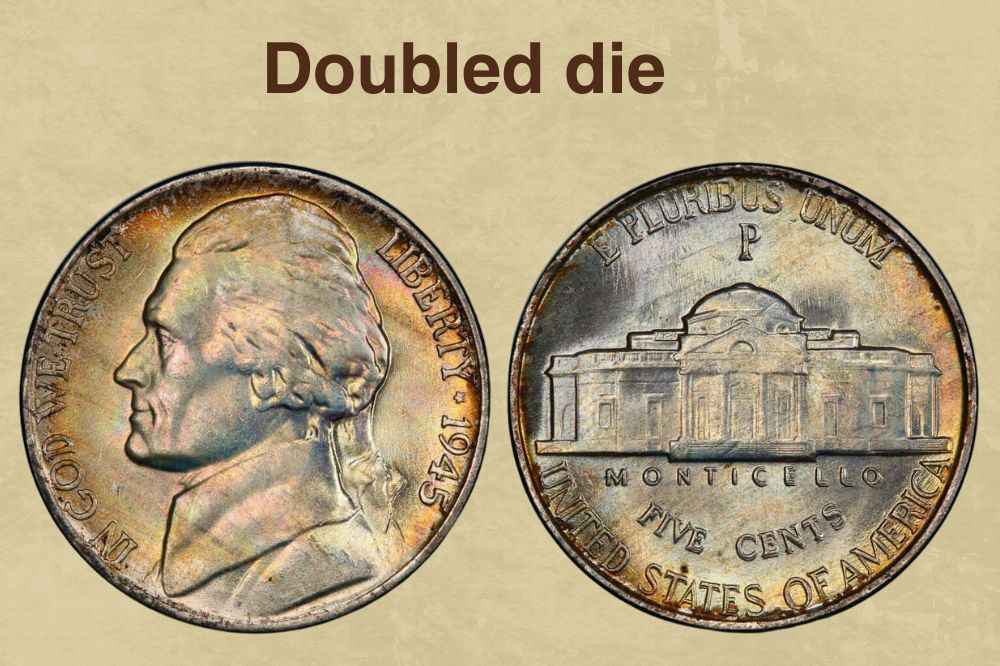
Sometimes, a die came with the unintentionally doubled engraved design. The result of using such a die is nickels with a doubled image or lettering on one or both sides. While specimens with minor design doubling cost $25, those with more prominent imperfections can be worth at least $100.
Off-center
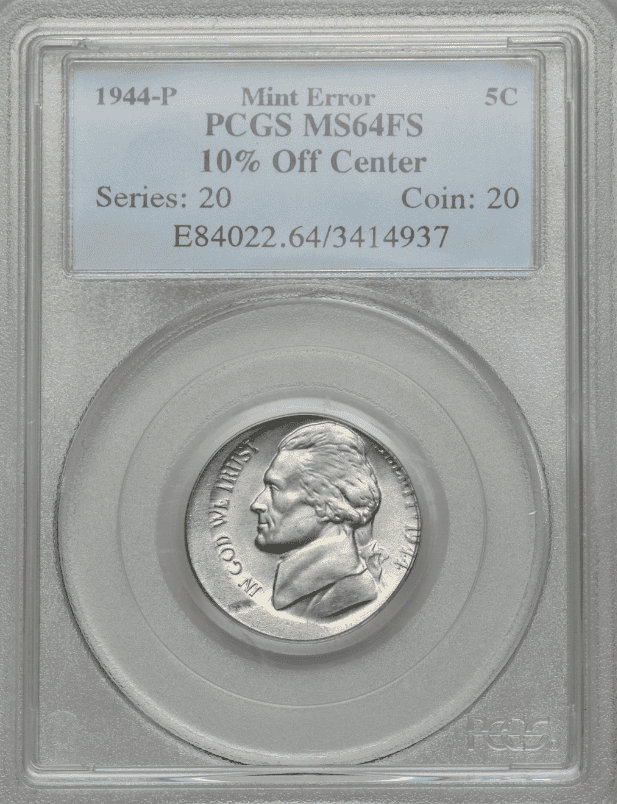
Nickels with this attractive and collectible error resulted from the misaligned planched and die in the hub. Therefore, you can see pieces with missing or misaligned designs in a particular percentage.
The 1944 nickels, with about 50% missing design, are the most collectible and cost $100 to $400. The only condition is that the date and the mint mark are recognizable. Pieces with 5% to 15% off-center with the existing date are assessed to $5 to $10.
Henning nickels
Pay particular attention to the 1944 Henning nickels. Even though these Erial Mint coins were actually counterfeit in Erial, New Jersey, they could be valuable because of their rarity and interesting history. The high-grade nickel imitations cost up to $100.
Also read: 14 Most Valuable Nickel Errors Worth Money
Where to Sell Your 1944 Jefferson Nickel ?
Now that you know the value of your coins, do you know where to sell those coins online easily? Don’t worry, I’ve compiled a list of these sites, including their introduction, pros, and cons.
Check out now: Best Places To Sell Coins Online (Pros & Cons)
FAQ about the 1944 Jefferson Nickel Value
What makes a 1944 nickel rare?
Since the 1944 nickel mintage was over 170 million pieces, you can consider them abundant. Believe it or not, some of these coins are still circulating, making them cheap. On the other hand, a few top-graded specimens with Full Steps are considered rarer than others and thus more valuable.
Which 1944 nickel is worth a lot of money?
- The 1944 D MS 68 Jefferson Full Steps nickel won $22,325 at an auction in 2012
- The 1944 S MS 68 Jefferson Full Steps nickel won $14,100 at an auction in 2015
- The 1944 P MS 67+ Jefferson Full Steps nickel won $9,400 at an auction in 2014
- The 1944 P MS 60 Jefferson nickel won $7,475 at an auction in 2011
- The 1944 S MS 68+ Jefferson nickel won $6,169 at an auction in 2021
- The 1944 D/D MS 66+ Jefferson Full Steps RPM nickel won $750 on eBay in 2019
- The 1944 D/D MS 67 Jefferson RPM nickel won $742 on eBay in 2018
How much is the 1944 P Jefferson nickel worth?
Most nickels minted in the Philadelphia mint in 1944 are worth $1.20 to $2.20 on the current coin market. Those preserved in the mint state have an assessed price range from $3 to $70, while you can get about $1,000 for coins in the highest MS 68 grade.
Depending on the condition, pieces with Full Steps typically cost $15 to $500. However, their value can be significantly higher at auctions.
What is the most pricey Jefferson nickel?
- The 1954 S MS 67 FS nickel sold in 2020 at $35,250 is the costliest coin from the Philadelphia mint in the series
- The 1969 D MS 65 FS nickel sold in 2021 at $33,600 is the costliest coin from the Denver mint in the series
- The 1964 SMS SP 68 FS nickel sold in 2016 at $32,900 is the costliest SMS coin from the Philadelphia mint in the series
- The 1949 D/S MS 67 nickel sold in 2014 at $32,900 is the costliest error coin from the Philadelphia mint in the series