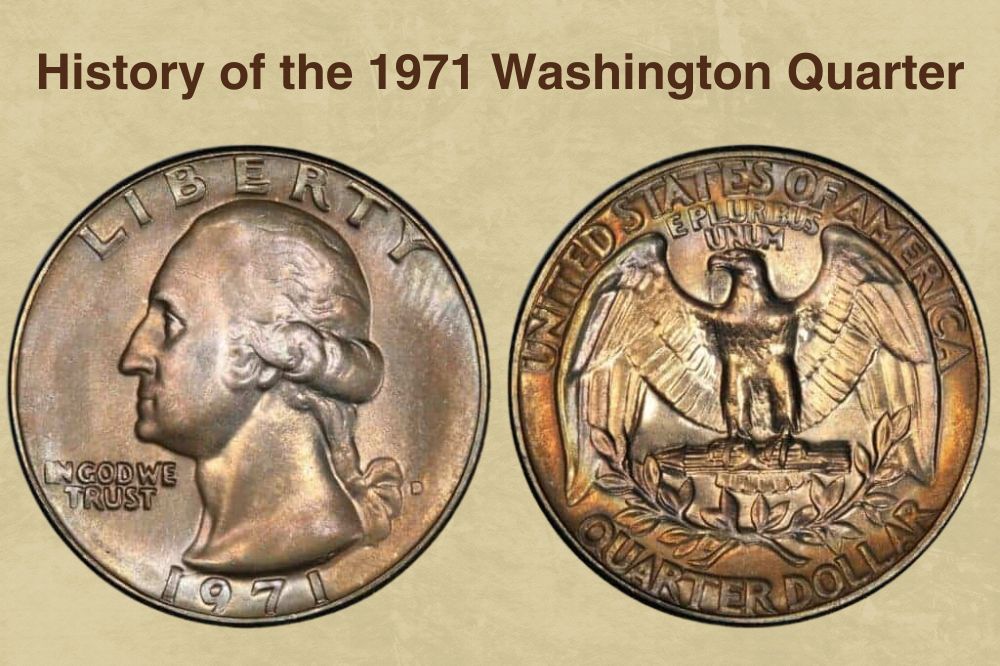
1971 Quarter Value Checker: Errors List, “D”, “S” & No Mint Mark Worth
Born from John Flanagan’s controversial 1932 design victory over Laura Gardin Fraser’s original winning entry, the 1971 Washington quarter carries decades of numismatic drama within its copper-nickel composition.
Six years into the post-silver era that began in 1965, these quarters had become the new standard of American pocket change, yet their collecting potential remained largely overlooked. While circulated examples trade at face value of $0.25, exceptional specimens tell another story — pristine no mint mark pieces can reach $54.00, and San Francisco proof versions in Deep Cameo condition command $64.75.
The most dramatic price of all belongs to a 1971 MS65 DDR Washington quarter that hammered for $8,813 at auction in 2017. That single sale proves that knowing exactly what to look for on these coins can make all the difference between face value and a four-figure windfall.
1971 Quarter Value By Variety
Here’s what your 1971 quarters are actually worth based on mint mark and condition — with some MS grade examples commanding hundreds of dollars above face value. If you know the grade of your coin, you can find the exact price below in the Value Guides section.
1971 Quarter Value Chart
| TYPE | GOOD | FINE | AU | MS | PR |
|---|---|---|---|---|---|
| 1971 No Mint Mark Quarter Value | $0.25 | $0.52 | $1.34 | $10.40 | — |
| 1971 D Quarter Value | $0.25 | $0.29 | $0.67 | $7.67 | — |
| 1971 S Proof Quarter Value | — | — | — | — | $5.17 |
| 1971 S CAM Quarter Value | — | — | — | — | $8.00 |
| 1971 S DCAM Quarter Value | — | — | — | — | $64.75 |
Also Read: Top 100 Most Valuable Modern Quarter Worth Money (1932 – Present)
Top 10 Most Valuable 1971 Quarter Worth Money
Most Valuable 1971 Quarter Chart
2003 - Present
The top auction records for 1971 quarters reveal just how valuable condition and variety can be in the post-silver era.
Leading the pack is the 1971 MS65 DDR (Doubled Die Reverse) Washington quarter that reached $8,813 at Heritage Auctions in 2017 — a staggering result for a coin that started life as pocket change. Right behind it sits the 1971-S PR69 DCAM (Deep Cameo proof) at $7,475, realized at Heritage Auctions on November 29, 2007.
A 1971-D MS68 commanded $4,560 at Heritage Auctions on June 9, 2019 — proving that Denver quarters can compete with any mint for top-dollar recognition. Philadelphia also shows strong, with a 1971 MS67 reaching $3,840 at Heritage Auctions in August 2019.
Notice how the gap narrows significantly once you move below MS67 or PR68 grades, with several coins clustering in the $200–$300 range. This creates realistic collecting opportunities for those who appreciate quality without requiring absolute perfection.
History of The 1971 Quarter
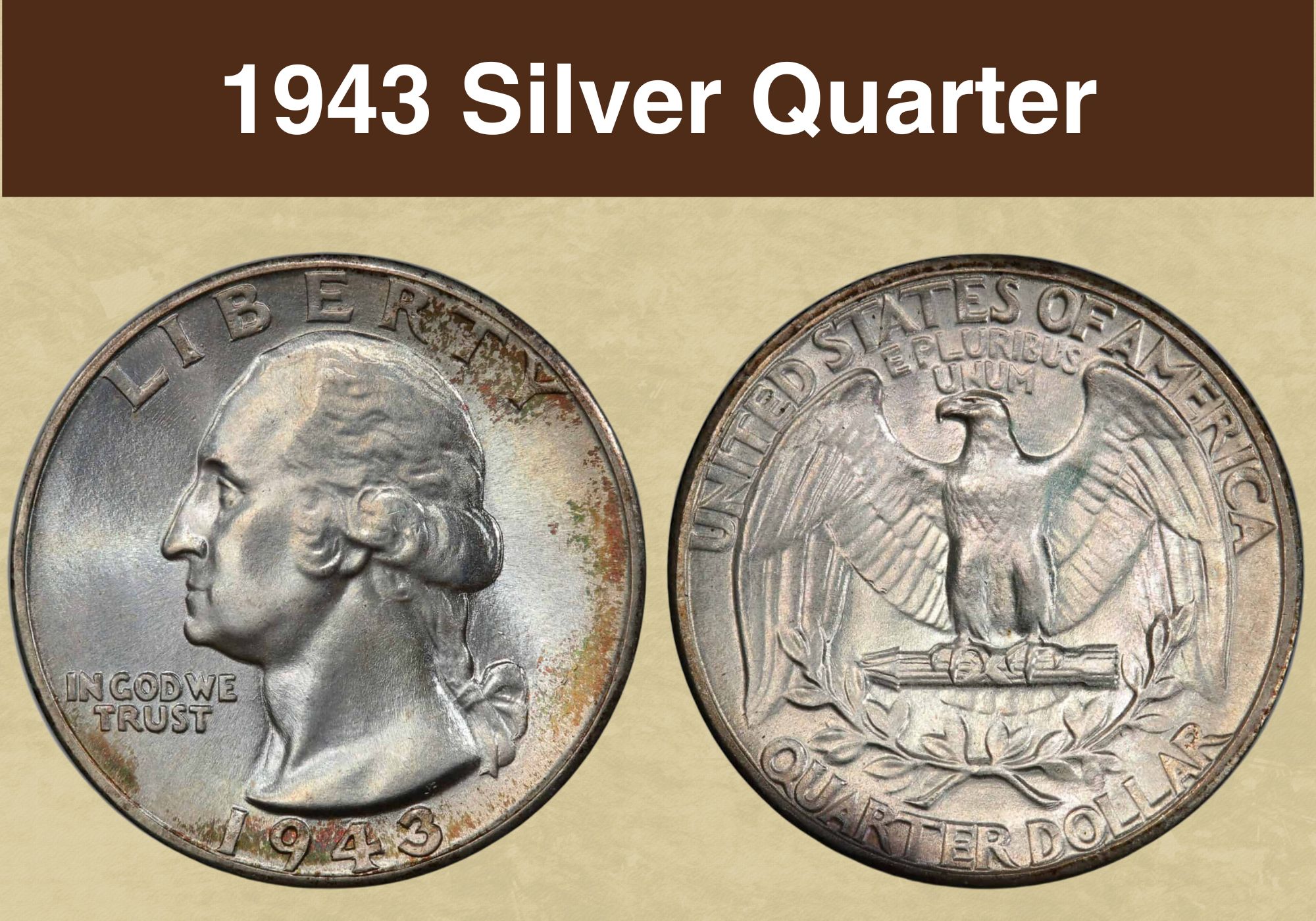
Sculptor John Flanagan created the original Washington quarter design in 1932. The idea was to commemorate President Washington’s two-hundredth birthday anniversary. The US Mint kept issuing these coins from 1932 to 1998, and initially they contained 90% silver — but that changed dramatically in the 1960s.
By the early 1960s, rising silver prices meant the metal inside a quarter was worth more than its face value. Americans began hoarding silver coins by the billions, causing a national coin shortage that threatened everyday commerce — from parking meters to vending machines. President Lyndon B. Johnson warned Congress that inaction could create “chaos in the myriad transactions of our daily life.”
The Treasury Department commissioned the Battelle Memorial Institute to find a suitable alternative metal. Their recommendation was a cupronickel-clad composition bonded over a pure copper core. The Coinage Act of 1965, signed by President Johnson on July 23, 1965, formally ended silver content in quarters and dimes. The first clad Washington quarters entered production on August 23, 1965, reaching circulation by November of that year.
Interestingly, coins made of this clad-copper composition had three distinct layers visible along the edge. They earned the nickname Johnson Sandwich, honoring President Lyndon Johnson, who signed the legislation into law. The 1971 quarter was therefore six years into the clad era when it was minted.
Another important milestone for 1971: mint marks had been temporarily removed from all US coins from 1965 through 1967 to discourage hoarding. They returned to the reverse of coins in 1968, and were then moved permanently to the obverse in 1968 as well — making the 1971 mint mark location behind Washington’s ponytail a relatively new feature at the time.
The regular Washington series has included:
- Washington silver quarter, minted from 1932 to 1964
- Washington clad quarter, minted from 1965 to 1998
- 50 State quarters, minted from 1999 to 2008
- America the Beautiful quarters, minted from 2010 to 2021
- Washington Crossing Delaware, minted in 2021
Besides these, you can find commemorative US Bicentennial Washington quarters minted with the double date 1776–1976. Their purpose was to honor the Declaration of Independence’s 200th anniversary.
The established Bicentennial Committee Congress held a competition to choose the best possible artist to design the new quarter. The requirement was to base their work on the well-known Washington sculpture made by Jean-Antoine Houdon.
Each artist could create the reverse design at their own discretion. Laura Gardin Fraser offered the best idea, but then-Treasury Secretary Mellon objected to this decision. Many believed the reason was the designer’s gender, but no official confirmation of these rumors existed. Despite Commission members’ objections, Mellon insisted on John Flanagan’s work, and so Flanagan’s solution stayed, leaving many questions unanswered.
Also Read: Top 30 Most Valuable State Quarter Worth Money (1999 – 2008)
Is Your 1971 Quarter Rare?
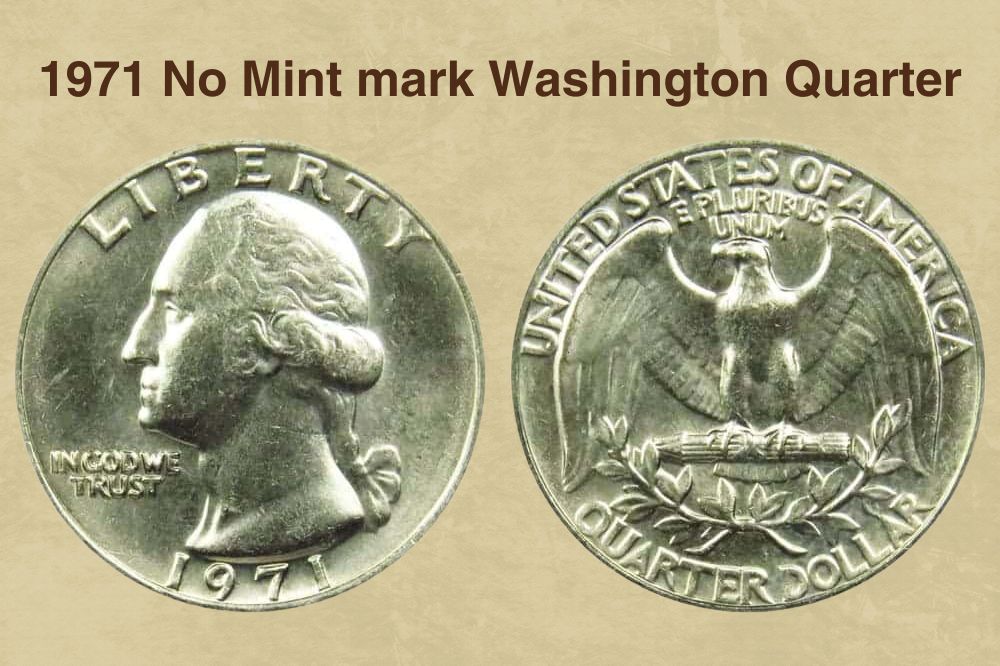
1971 No Mint Mark Quarter
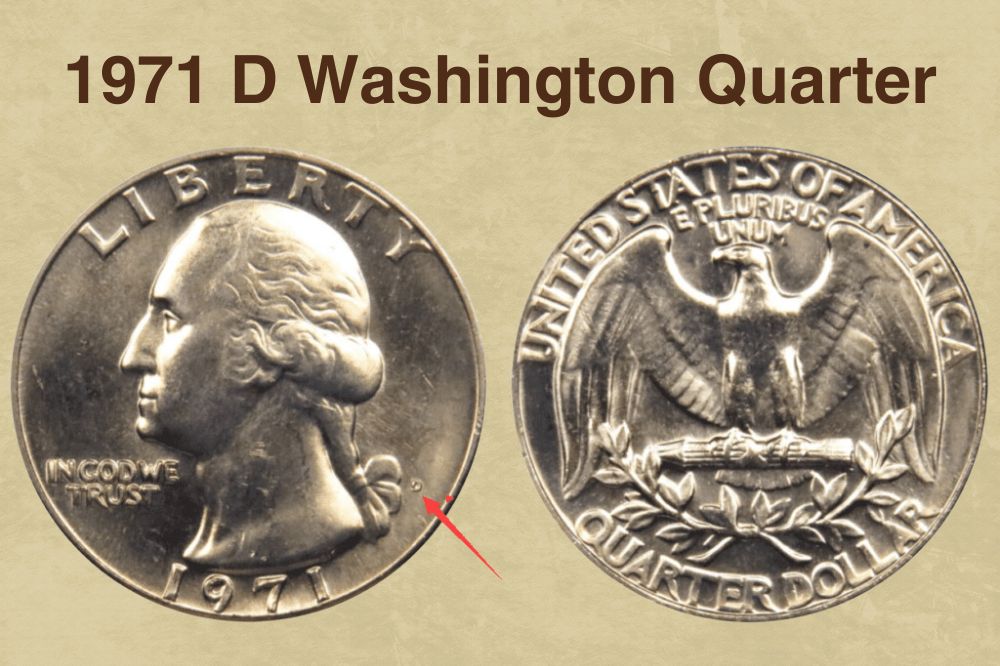
1971-D Quarter
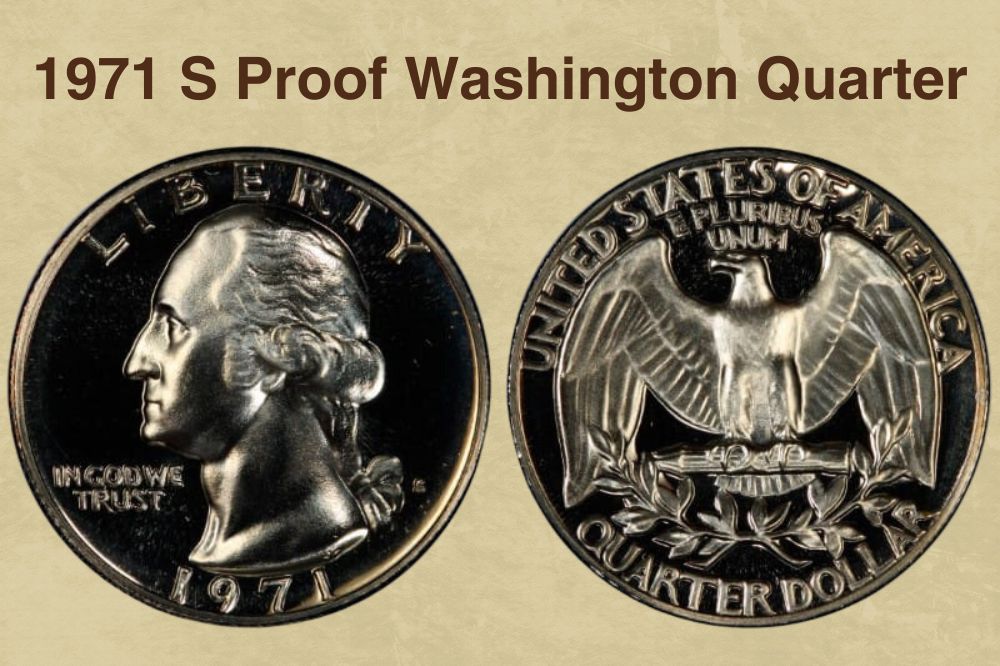
1971-S Proof Quarter
1971-S CAM Quarter
1971-S DCAM Quarter
You can use our Coin Value Checker App to instantly assess the rarity and value of any quarter in your collection, making identification quick and reliable.
Key Features of The 1971 Quarter
The 1971 Washington quarter is a clad circulation coin made of 75% copper and 25% nickel bonded over a pure copper core — a composition that has been standard for US quarters since the Coinage Act of 1965.
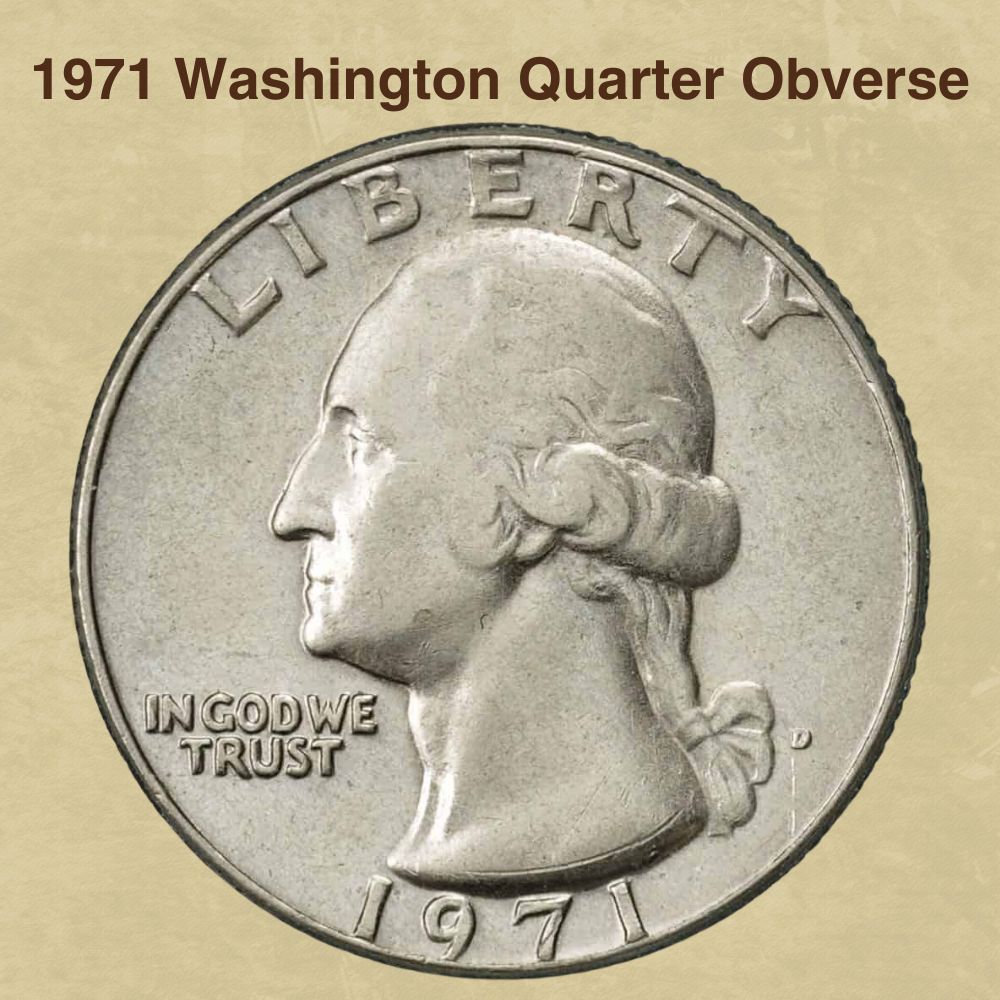
The Obverse Of The 1971 Quarter
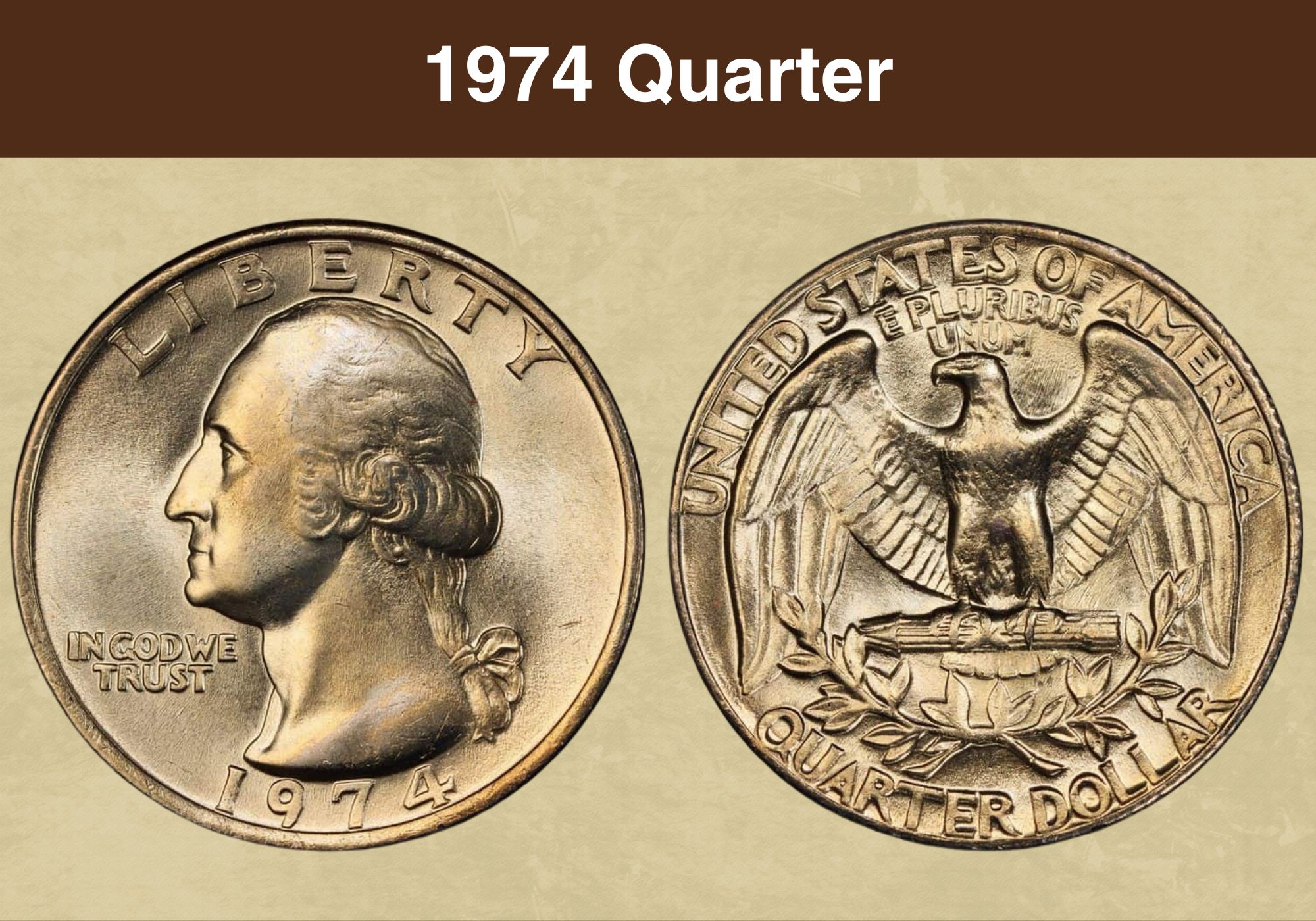
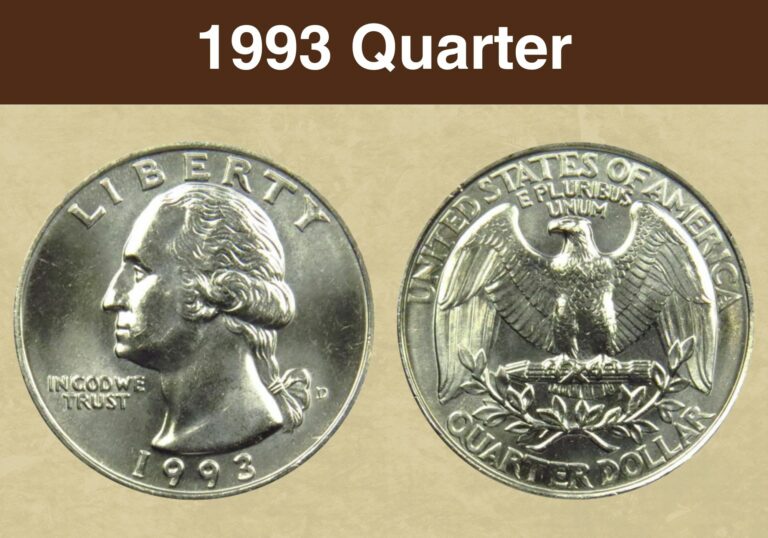
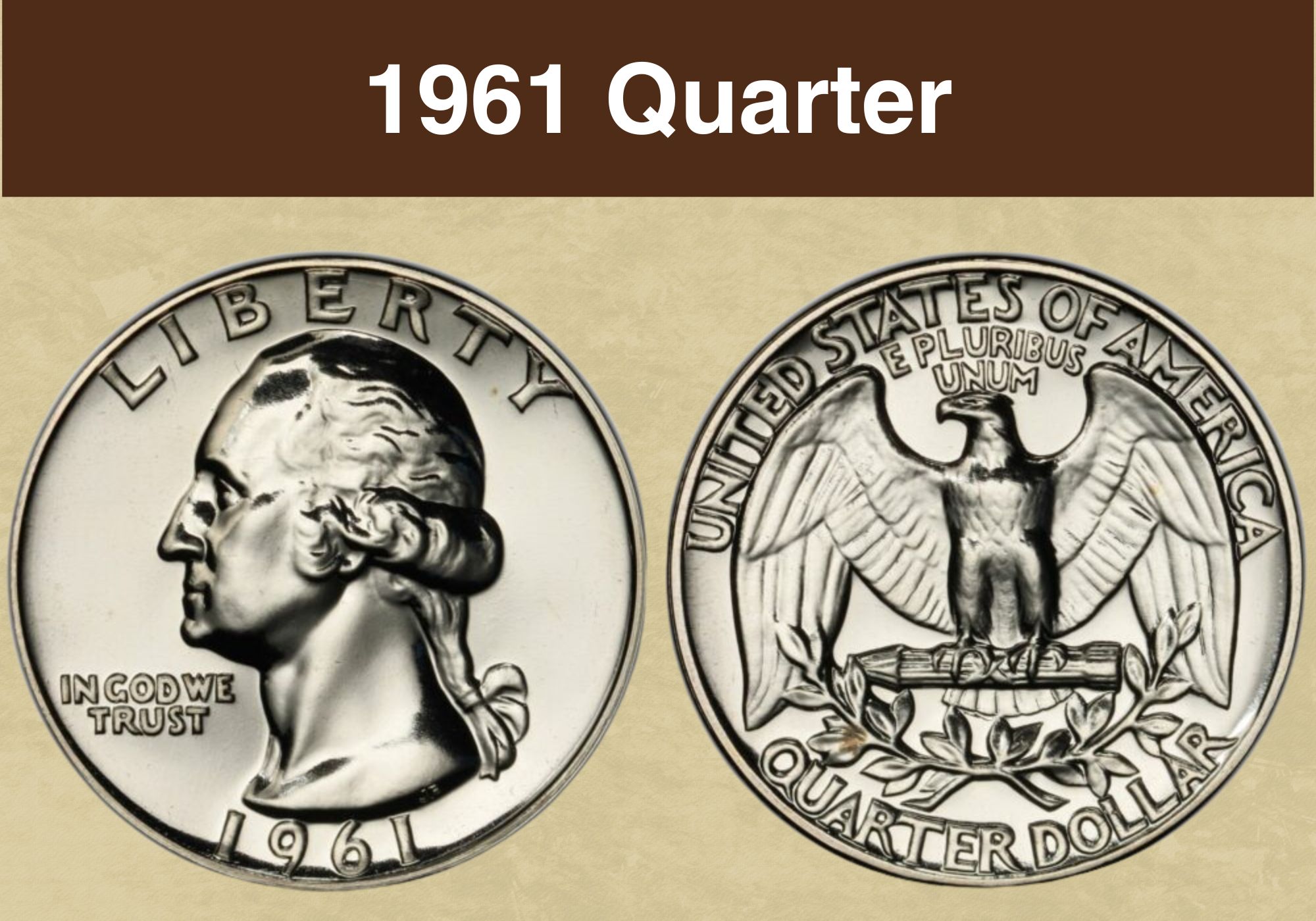
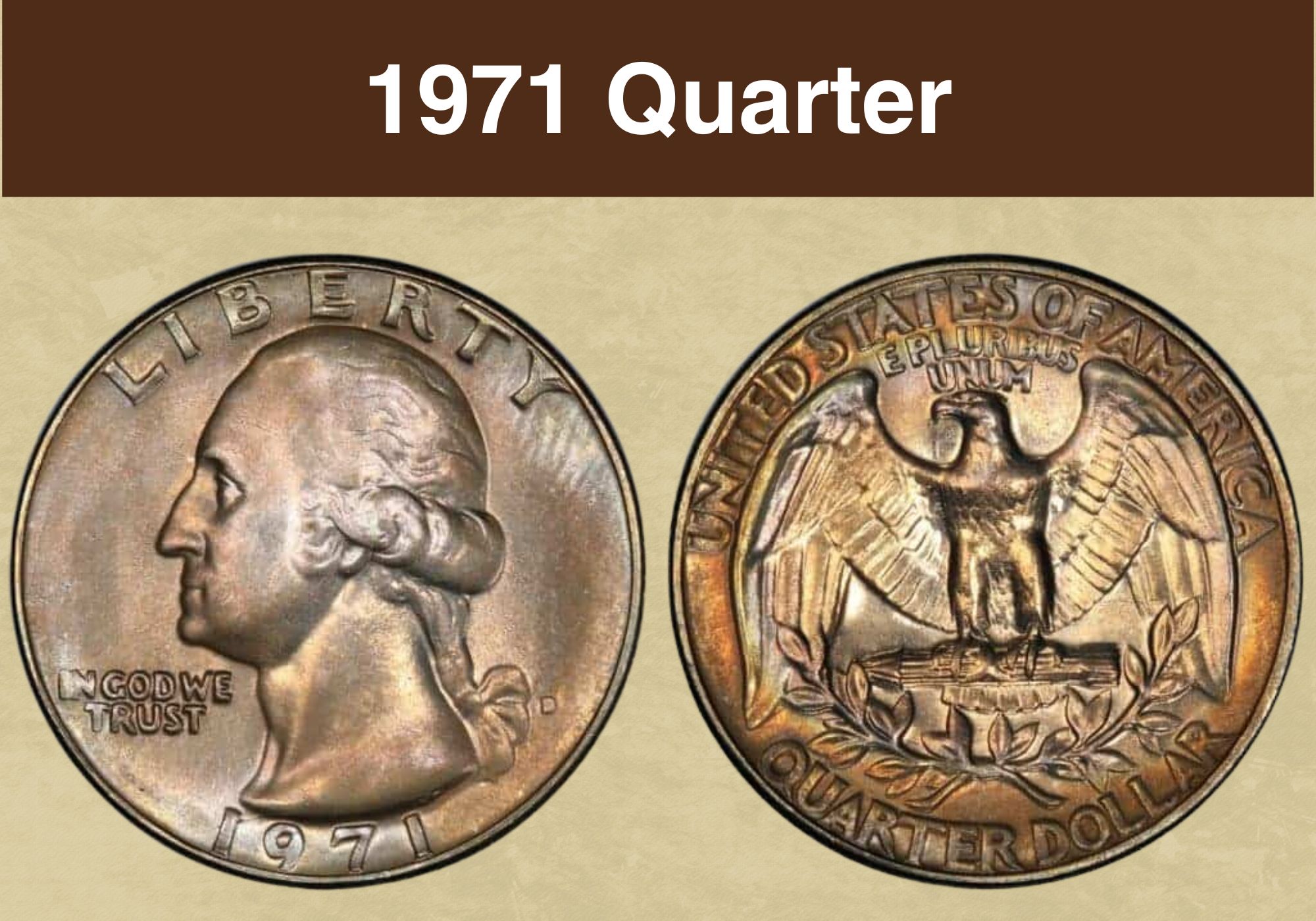
The 1971 Washington quarter obverse depicts a left-facing profile of the first President of the United States. The John Flanagan design includes the lettering LIBERTY across the top and the minting year along the bottom rim.
On the left side appears IN GOD WE TRUST, required on all American coinage. The mint mark — either S or D — sits just behind the bow that ties Washington’s hair. Philadelphia quarters bear no mint mark, which is normal and does not indicate an error.
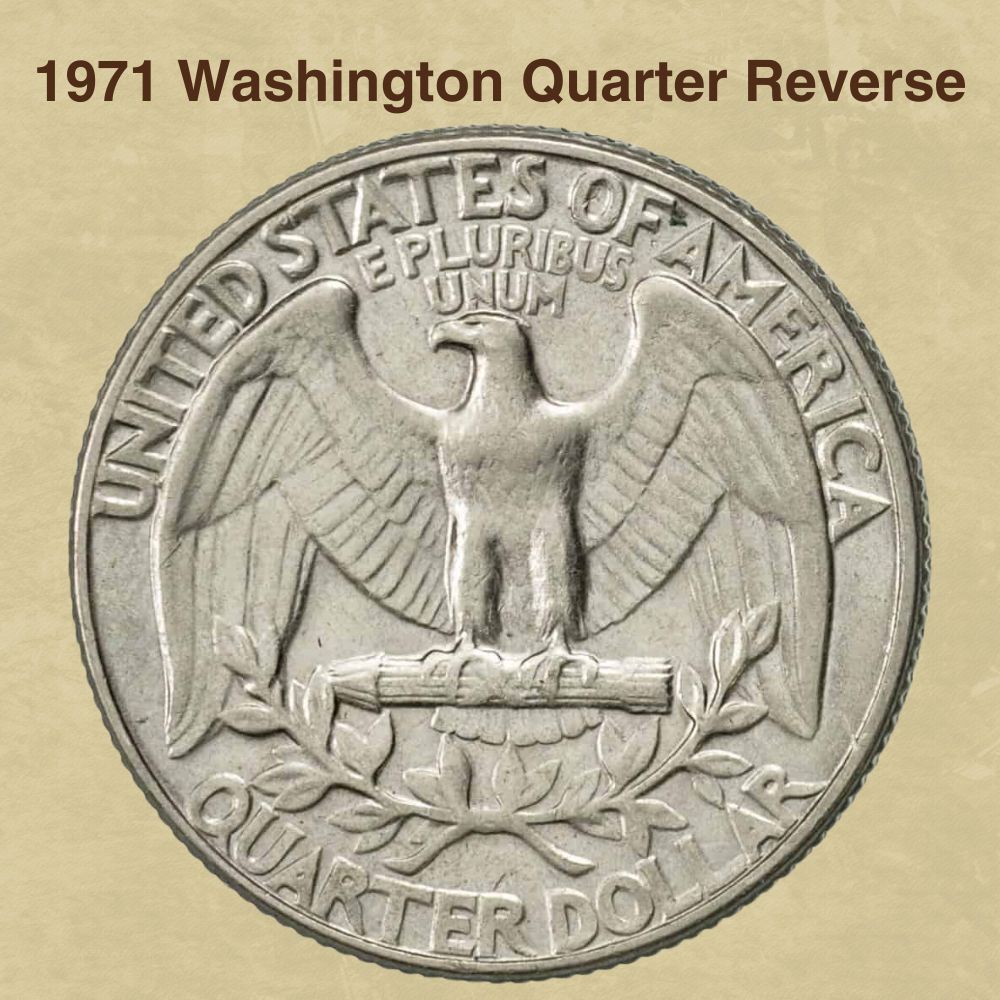
The Reverse Of The 1971 Quarter
The 1971 Washington quarter reverse shows a centrally positioned eagle with wings spread, standing on a bundle of arrows. Between the eagle and the QUARTER DOLLAR denomination at the bottom are two tied olive branches.
The top of the coin carries UNITED STATES OF AMERICA and E PLURIBUS UNUM struck in three lines. This design remained essentially unchanged from 1932 through 1998, making 1971 examples visually identical to both earlier and later clad quarters.
Other Features Of The 1971 Quarter
Washington quarters minted in 1971 are round 25-cent coins weighing 0.200 ounces (5.67 grams) with 119 reeds along the edge. The coin diameter is 0.957 inches (24.3 mm), while its thickness is precisely 0.069 inches (1.75 mm). Pre-1965 silver quarters weigh 6.25 grams — a quick weight test using a digital scale will tell you immediately whether you have a silver or clad coin.
Also Read: Top 20 Most Valuable 1776-1976 Bicentennial Quarter
1971 Quarter Mintage & Survival Data
1971 Quarter Mintage & Survival Chart
Survival Distribution
| Type | Mintage | Survival | Survival Rate |
|---|---|---|---|
| No Mint | 109,284,000 | 32,785,200 | 30% |
| D | 258,634,428 | 77,590,328 | 30% |
| S Proof | 3,220,733 | unknown | unknown |
| S CAM | 3,220,733 | unknown | unknown |
| S DCAM | 3,220,733 | 1,368,811 | 42.5% |
The survival data for 1971 quarters reveals fascinating insights into modern coin preservation patterns.
Philadelphia struck 109,284,000 quarters while Denver produced 258,634,428 — a more than 2-to-1 ratio that explains why Denver examples are easier to find in most grades. The San Francisco Mint struck 3,220,733 proof coins exclusively for collector sets, with no circulation-strike quarters produced there in 1971.
Both Philadelphia and Denver business strikes maintained identical 30% survival rates — a consistent figure reflecting typical circulation wear and loss patterns for copper-nickel quarters. The 1971-S DCAM proof quarters boast an impressive 42.5% survival rate despite their smaller original mintage, which makes sense since proof coins were sold directly to collectors who preserved them carefully.
What makes the survival story surprising is the grade distribution, not just raw numbers. PCGS numismatic specialist Mitch Spivack has noted that the 1971-P “ranks among the top three toughest dates in the entire series to obtain in MS67 grade,” describing a frustrating search pattern where screening hundreds of fresh Mint Sets yields nothing better than MS65. He attributes this to the Philadelphia Mint’s notoriously poor production quality that year, including badly scuffed surfaces, weak strikes, and poor luster.
Also Read: Top 100 Most Valuable Washington Quarter Worth Money (1932 – 1998)
The Easy Way to Know Your 1971 Quarter Value
Begin with a weight test — 1971 quarters are copper-nickel clad weighing 5.67 grams, unlike pre-1965 silver quarters at 6.25 grams. Find the mint mark behind Washington’s ponytail on the obverse.
Most circulated pieces are worth face value, but mint state examples range from $1 to over $3,800, with rare error coins fetching even more. Simplify this process using our Coin Value Checker App — it evaluates composition, mint marks, and grading details from a single photo.

1971 Quarter Value Guides
The 1971 quarter series includes five distinct varieties, each with unique characteristics that affect their collector value.
Unlike earlier years where business strikes dominated the landscape, 1971 marked a period when the San Francisco Mint focused exclusively on proof coin production for collectors. This created an interesting dynamic where Philadelphia and Denver handled all circulation quarters, while San Francisco produced specially struck coins with varying degrees of cameo contrast.
The proof varieties — ranging from standard S Proof to the coveted S DCAM (Deep Cameo) — represent different levels of manufacturing precision and surface quality. These distinctions matter significantly to collectors, as evidenced by the substantial value differences between a basic proof coin and its deep cameo counterpart.

Coin Value Checker App
Not sure what your coins are worth? Get Instant Value • Grade • Error Detection with coin identifier and value app (FREE Usage Daily)
1971 Quarter Types:
- 1971 No Mint Mark (Philadelphia)
- 1971-D (Denver Mint)
- 1971-S Proof (San Francisco)
- 1971-S CAM (San Francisco)
- 1971-S DCAM (San Francisco)
1971 No Mint Mark Quarter Value
The 1971 No Mint Mark quarter holds a special place in modern numismatics as Philadelphia’s contribution to the post-silver era. What makes this coin particularly intriguing is its dramatic value curve — remaining at face value through most grades before skyrocketing in pristine condition.
PCGS numismatic expert Mitch Spivack has specifically called out the 1971-P as one of the hardest clad Washington quarters to find in MS67, stating he has screened “thousands upon thousands” of these coins over three decades and found the quality consistently poor. The coin’s weakness tends to show on Washington’s cheek, forehead, and neck — the same contact-prone high points that limit grades across the entire clad series. This documented production problem is precisely why a PCGS MS67 graded example sold for $3,840 at Heritage Auctions in August 2019, and why MS67+ or higher examples are essentially unknown.
1971 No Mint Mark Quarter Price/Grade Chart
Price by 1-70 Grade (Latest Auction Records Included)
Recent auction records reveal just how competitive the market has become for top-tier examples of this supposedly “common” quarter.
| Date | Platform | Price | Grade |
|---|
Current market activity shows sustained collector interest, with bidding patterns that demonstrate growing recognition of the coin’s hidden potential.
Market activity: 1971 No Mint Mark Quarter
1971-D Quarter Value
The 1971-D quarter represents Denver Mint’s massive contribution to post-silver quarter circulation, with 258,634,428 coins struck. What makes this coin fascinating is how its enormous mintage creates both abundance and scarcity simultaneously.
While circulated examples remain plentiful, most 1971-D quarters still in existence grade MS63 or lower. PCGS describes examples in MS66 as “scarce,” with coins at that level having probably been pulled from rolls or mint sets. In MS67, only a few hundred examples are estimated to exist. In MS68, fewer than a handful are known — and none have been graded finer. That scarcity explains why the record-setting MS68 example realized $4,560 at Heritage Auctions on June 9, 2019.
The “D” mint mark, positioned behind Washington’s ponytail on the obverse, serves as a clear identifier for what many consider the workhorse quarter of 1971.
1971-D Quarter Price/Grade Chart
Price by 1-70 Grade (Latest Auction Records Included)
Recent auction data tells the story of collectors competing aggressively for the finest available examples.
| Date | Platform | Price | Grade |
|---|
Market activity reflects growing awareness that high-grade Denver quarters deserve serious consideration from discerning numismatists.
Market activity: 1971-D Quarter
1971-S Proof Quarter Value
The 1971-S Proof quarter showcases San Francisco Mint’s dedication to collector-grade craftsmanship during the early copper-nickel era. A proof coin (abbreviated PR) is struck using specially polished dies and hand-selected planchets, creating mirror-like fields and sharp design detail that you won’t find on circulation strikes.
The 1971-S Proof is fairly common in most grades up through PR67. However, PCGS notes that it becomes “very scarce” in PR68 Deep Cameo or higher — and is actually harder to find in high-grade Proof Cameo and Deep Cameo condition than silver Washington quarters issued in the 1960s. The auction record for this variety stands at $7,475 for a PCGS PR69, sold at Heritage Auctions on November 29, 2007.
1971-S Proof Quarter Price/Grade Chart
Price by 1-70 Grade (Latest Auction Records Included)
Auction trends show consistent, stable demand that reflects the coin’s reliable collector appeal across multiple price points.
| Date | Platform | Price | Grade |
|---|
Market activity demonstrates how proof quarters have carved out their own distinct market niche, separate from the volatility of business strike examples.
Market activity: 1971-S Proof Quarter
1971-S CAM Quarter Value
The 1971-S CAM (Cameo) quarter bridges the gap between standard proofs and premium deep cameo specimens. CAM designation — awarded by professional graders like PCGS and NGC (Numismatic Guaranty Company) — requires specific contrast standards between frosted design elements and mirror-like fields, but not as dramatic as DCAM examples.
Think of it this way: on a standard proof, both the background and the raised design are mirror-bright. On a CAM, the raised design (Washington’s portrait, the eagle) has a frosted, white appearance while the background remains mirror-like. This creates a visually appealing two-tone effect that many collectors find highly attractive. A PCGS PR69 CAM sold for $242 in 2003, and values have generally held steady since then for mid-grades.
1971-S CAM Quarter Price/Grade Chart
Price by 1-70 Grade (Latest Auction Records Included)
Historical auction performance reveals steady appreciation patterns that have consistently rewarded long-term holders.
| Date | Platform | Price | Grade |
|---|
Current market dynamics show CAM quarters attracting both proof specialists and collectors seeking alternatives to expensive business strike gems.
Market activity: 1971-S CAM Quarter
1971-S DCAM Quarter Value
The 1971-S DCAM (Deep Cameo) quarter represents the pinnacle of San Francisco Mint’s proof striking artistry, where maximum contrast creates a stunning visual impact. DCAM designation — the highest cameo level awarded by PCGS — requires the most dramatic difference between heavily frosted design elements and deeply mirrored fields.
This is considered the hardest of the three 1971-S varieties to find in top condition. PCGS states the issue “becomes very scarce” in PR68 DCAM or higher. The auction record of $7,475 for a PR69 example at Heritage Auctions in 2007 confirmed the market’s willingness to pay significant premiums for the finest known specimens. A separate 1971-S PR70 Washington quarter — the only known example in perfect grade — was listed for sale at $4,000 in 2023, a benchmark for the absolute ceiling of the series.
1971-S DCAM Quarter Price/Grade Chart
Price by 1-70 Grade (Latest Auction Records Included)
Recent auction records demonstrate the market’s willingness to pay substantial premiums when truly exceptional DCAM examples surface.
| Date | Platform | Price | Grade |
|---|
Current market activity indicates that DCAM quarters have established themselves as the undisputed flagship variety for serious 1971 quarter collectors.
Market activity: 1971-S DCAM Quarter
Also Read: What Quarters Are Worth Money
Rare 1971 Quarter Error List
Error coins from 1971 represent some of the most exciting discoveries in modern quarter collecting, transforming ordinary pocket change into numismatic treasures worth hundreds or thousands of dollars.
1. 1971 DDR FS-801 Errors
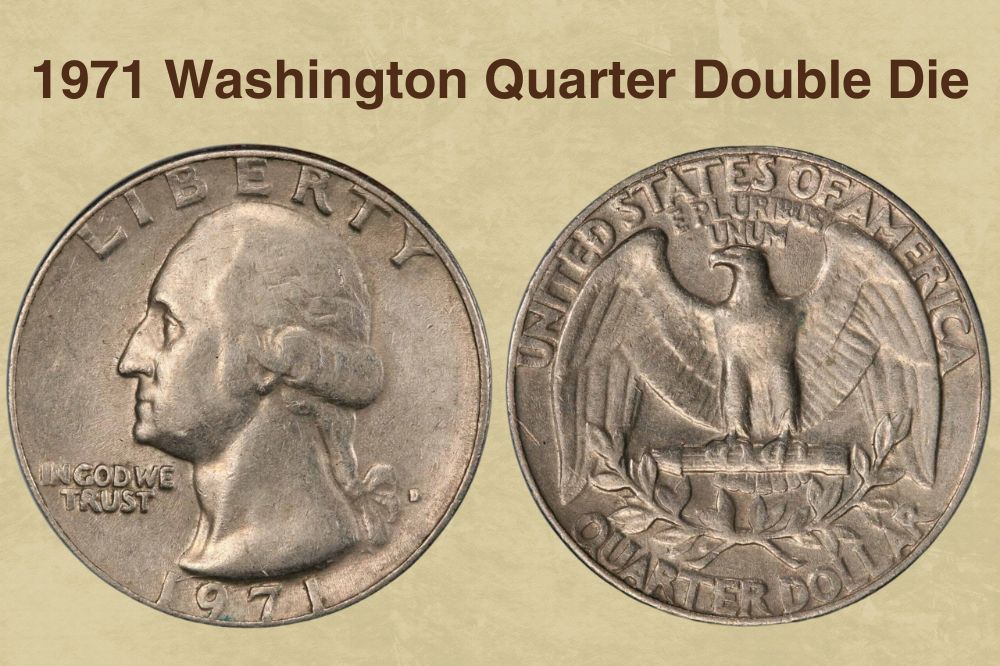
The 1971 Doubled Die Reverse FS-801 showcases dramatic doubling on the reverse lettering, particularly visible in “UNITED STATES OF AMERICA” and “QUARTER DOLLAR.” This error is catalogued in the Fivaz-Stanton (FS) reference — the standard guide for US coin varieties — under number FS-801, indicating it was one of the first major varieties documented for this date.
DDR stands for Doubled Die Reverse, which means a die error (not a striking error). During the hubbing process — when the master die presses a design into a working die — the hub and die can shift slightly between impressions, creating a permanently doubled image that then appears on every coin struck from that die.
The 1971 DDR FS-801’s bold, unmistakable doubling is visible to the naked eye, making it accessible to collectors at all experience levels. The top recorded sale for this variety is $8,813 for an MS65 specimen at Heritage Auctions in 2017, proving it is the most valuable individual 1971 quarter variety known.
1971 DDR FS-801 Price/Grade Chart
Price by 1-70 Grade (Latest Auction Records Included)
2. 1971-D DDR FS-801 Errors
The Denver Mint’s version of the doubled die reverse presents the same dramatic doubling characteristics as its Philadelphia counterpart, with strong separation visible throughout the reverse inscriptions. A PCGS XF40 graded example sold for $840 at Stack’s Bowers online auction in May 2019, demonstrating that even circulated specimens command significant premiums over face value.

Coin Value Checker App
Not sure what your coins are worth? Get Instant Value • Grade • Error Detection with coin identifier and value app (FREE Usage Daily)
What makes Denver error coins particularly interesting to specialists is the “D” mint mark’s added layer of collector appeal. Denver errors often draw more bidder attention than Philadelphia equivalents because Denver was expected to maintain tighter quality control. A 1971-D quarter with a separate die break error (not the DDR variety) in XF40 grade sold for $1,280 on eBay in January 2023, further illustrating the market strength for Denver error material.
1971-D DDR FS-801 Price/Grade Chart
Price by 1-70 Grade (Latest Auction Records Included)
3. 1971 Off-Center Strike Errors
Off-center strikes occur when a coin blank (planchet) is not properly seated in the collar at the time of striking, causing the design to print partially off the surface of the coin. These errors are measured by the percentage of design missing — a coin 10%–20% off-center might bring $25–$50, while one missing about half its design yet still showing a complete date can exceed $200.
The most dramatic known 1971 off-center error is a quarter with a 70% off-center strike that was additionally struck on a Philippines planchet — making it a combination error (wrong planchet + off-center). Graded PCGS MS64, this double error sold for a private-sale price of approximately $3,500 through a coin dealer, according to documented records.
4. 1971 Missing Clad Layer Errors
Missing clad layer errors occur when the copper-nickel outer layer fails to bond properly to the copper core during the coin manufacturing process, leaving one side of the coin with an exposed copper-orange appearance. Normal 1971 quarters weigh 5.67 grams, while missing clad layer examples typically weigh around 4.6–4.7 grams — a quick scale test will confirm this error type immediately.
For Washington quarters from this era, single-side missing clad layer examples in uncirculated condition typically sell for $300–$500, while circulated examples bring $30–$50. Dual missing clad layer errors (both sides missing) are extraordinarily rare, with only 5–10 known for the entire clad Washington quarter series.
Also Read: 20 Rare Washington Quarter Errors Worth Money (Full List with Pictures)
Where To Sell Your 1971 Quarter?
Whether you choose online auctions, local coin shops, or specialized dealers, the key to maximizing your 1971 quarter’s value lies in proper grading, accurate identification, and strategic timing of your sale.
Check out now: Best Places To Sell Coins Online (Pros & Cons)
1971 Quarter Market Trend
Market Interest Trend Chart - 1971 Quarter
*Market Trend Chart showing the number of people paying attention to this coin.
FAQ About The 1971 Quarter Value
1. Which 1971 quarters are particularly expensive?
The highest recorded sales for 1971 quarters include: a 1971 MS65 DDR Washington quarter at $8,813 (Heritage Auctions, 2017); a 1971-S PR69 DCAM at $7,475 (Heritage Auctions, November 29, 2007); a 1971-D MS68 at $4,560 (Heritage Auctions, June 9, 2019); a 1971-S PR70 at $4,000 (2023); a 1971 MS67 at $3,840 (Heritage Auctions, August 2019); and a 1971-D XF40 DDR at $840 (Stack’s Bowers, May 2019). All of these sales demonstrate how grade and variety combine to create exceptional value.
2. Is the 1971 No Mint Mark Washington quarter expensive?
Most 1971 Washington quarters produced in Philadelphia are worth face value of $0.25 in circulated condition. In mint state (meaning uncirculated and graded MS60 and above), values range from about $1 to $54 depending on grade. However, PCGS expert Mitch Spivack has identified the 1971-P as one of the three hardest clad quarter dates to find in MS67 grade — a condition where prices range from roughly $2,500 to $3,840.
3. What are the most valuable Washington quarters overall?
- 1932-D MS66 silver Washington quarter – $143,750
- 1932-S MS66 silver Washington quarter – $45,500
- 1949-D MS68 silver Washington quarter – $43,475
- 1948 MS68+ silver Washington quarter – $43,200
- 1932 MS67 silver Washington quarter – $40,250
- 1950 PR68 DCAM silver Washington quarter – $31,200
- 1966 MS68+ clad Washington quarter – $21,000
4. Why is the 1971-P quarter hard to find in high grades?
The 1971 Philadelphia quarter suffers from notoriously poor production quality that year. According to PCGS numismatic specialist Mitch Spivack, the coins from this date are plagued by badly scuffed surfaces, poor luster, and weak strikes — quality problems that occur coin after coin even in fresh Mint Set examples. This makes MS67 specimens genuinely rare despite the large original mintage of 109,284,000 coins, and no 1971-P quarter has ever been graded finer than MS67+ by PCGS.
5. What is the difference between a CAM and DCAM proof quarter?
CAM stands for Cameo, and DCAM stands for Deep Cameo — both are proof designations awarded by grading services like PCGS and NGC. On a regular proof coin, both the background and the raised design are mirror-bright. On a CAM proof, the raised design elements (like Washington’s portrait) have a frosty white appearance against mirror fields.
On a DCAM proof, this contrast is even more pronounced — the frosting is deeper and the mirrored fields are more dramatic. DCAM is the most desirable and valuable finish, and it’s also the hardest to achieve consistently, which is why DCAM specimens of the 1971-S command a premium over both standard proofs and CAM proofs.
6. How do I identify a 1971 Doubled Die Reverse (DDR) quarter?
The 1971 DDR FS-801 variety shows clear doubling on the reverse inscriptions — specifically “UNITED STATES OF AMERICA” and “QUARTER DOLLAR.” Unlike machine doubling (which looks flat and shelf-like), genuine doubled die errors produce a distinct raised second impression where both images are equally crisp.
You can check for this variety with a 5x–10x magnifying loupe. Look for letters that appear to have a bold shadow or second outline running parallel to the primary text. The doubling on FS-801 is bold enough to see with the naked eye once you know what to look for.
7. What is the 1971 quarter composed of, and does it contain silver?
No, the 1971 quarter contains no silver. It is made of a copper-nickel clad composition: an outer layer of 75% copper and 25% nickel bonded over a pure copper core. The total weight is 5.67 grams. You can see the copper-colored core by looking at the coin’s edge. Pre-1965 Washington quarters weigh 6.25 grams and are 90% silver — a digital scale makes it easy to tell them apart. The switch from silver to clad was authorized by the Coinage Act of 1965 due to rising silver prices that made silver coins worth more than face value.
8. Are 1971 quarters from Denver or Philadelphia worth more?
In most mid-range grades, Denver and Philadelphia examples are comparably priced. However, in the highest grades, Denver actually holds the record: a 1971-D MS68 realized $4,560 at Heritage Auctions in 2019, versus a Philadelphia MS67 at $3,840. Denver’s higher original mintage (258.6 million vs. Philadelphia’s 109.3 million) means there are more potential gem survivors from Denver, but the finest Denver examples tend to command the highest auction records. For error coins, Denver versions of the DDR FS-801 can sometimes attract extra collector attention due to that facility’s reputation for stricter quality control.
9. How do I tell a genuine doubled die from machine doubling on a 1971 quarter?
This is one of the most common questions from beginner collectors. A genuine doubled die (DDO or DDR) is a die error — it happens during die manufacturing when the hub strikes the working die twice with slight misalignment. Every coin from that die shows doubling. Machine doubling (also called strike doubling) is a striking error — it happens during the actual striking of the coin. Here’s the key difference: genuine doubled die doubling appears as two fully raised, equally sharp impressions side by side. Machine doubling looks flat, shelf-like, and smeared — one image is fully raised and the other is squashed. Machine doubling adds no premium value; only genuine doubled dies are collectible.
10. What is the rarest 1971 quarter variety by PCGS population?
By PCGS population data, the rarest 1971 quarter variety in the highest grades is the 1971-D in MS68, where fewer than a handful of examples are known and none have been graded finer. For proof coins, the 1971-S in PR70 is known from only one PCGS-certified example, currently offered at $4,000. Among error varieties, the 1971 DDR FS-801 in MS65 and above is exceedingly rare — the record auction price of $8,813 reflects this scarcity. Collectors who want the absolute rarest known 1971 quarter should focus on high-grade DDR examples, the single PR70 proof, or authenticated off-metal/wrong planchet errors.